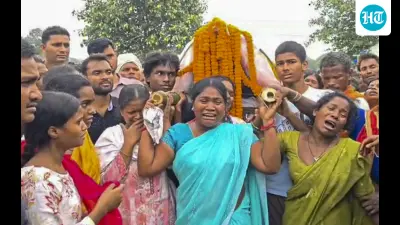
The call that every parent dreads came from thousands of miles away. Two young Indian men, who had travelled to Canada with the dream of becoming commercial pilots, were killed in a plane crash during a routine flight training session. The news, confirmed by the Consulate General of India in Vancouver, has sent a wave of grief through their families and the tight-knit community of Indian students abroad.
Two Names, Two Families, One Unimaginable Loss
The Vancouver consulate, in a post on X, identified the deceased as Manoj Sivakumar and Srisaran Thirugnanasambantham. Both were enrolled in a flight training programme in Canada. The consulate expressed its deep sorrow over the incident, offering condolences to the families of the young men. For these families, a future that once looked bright and full of altitude has ended in the most devastating way possible.
Why This Crash Hits Close to Home for Indian Aspirants
Canada has long been a preferred destination for Indian students pursuing aviation careers, drawn by its reputed flight schools and relatively accessible training pathways. Every year, hundreds of young Indians leave home for countries like Canada, the US, and Australia to log the flying hours required for a commercial pilot licence. This incident serves as a stark reminder of the inherent risks in aviation training — risks that are often overshadowed by the glamour of the profession.
What We Know — and What We Don't — About the Incident
Based on the information available from the consulate's statement, the crash occurred during a flight training exercise. However, critical details — including the exact location of the crash, the type of aircraft involved, the flight school's name, and the weather conditions at the time — have not been confirmed in the source material. Canadian aviation authorities, typically the Transportation Safety Board (TSB), are expected to lead the investigation. Until their preliminary report is released, the cause of the crash remains unknown.
The Consulate's Role and the Road Ahead for the Families
The Indian consulate in Vancouver has expressed grief and is expected to assist with the repatriation of the remains and support the families in navigating this tragedy from across the world. For the parents of Sivakumar and Thirugnanasambantham, the immediate challenge is logistical and emotional — securing visas, travelling to Canada, and understanding the circumstances of their sons' final moments. The consulate's intervention is crucial in these early, chaotic days.
A Pattern of Risk in Global Flight Training
This is not an isolated tragedy. Flight training, by its very nature, involves operating small aircraft in varied conditions, often with student pilots at the controls. While aviation safety has improved dramatically over the decades, training accidents remain a persistent concern worldwide. For Indian students, who often invest significant family savings into these programmes, the stakes are impossibly high. The dream of a pilot's uniform comes with a price that is rarely discussed in brochures.
Confirmed Facts vs What Remains Unclear
Confirmed: Two Indian students, Manoj Sivakumar and Srisaran Thirugnanasambantham, died in a plane crash in Canada during flight training. The Vancouver consulate has publicly acknowledged the deaths and expressed grief.
Unclear: The exact cause of the crash, the aircraft's registration, the flight school involved, and whether there were any other occupants. Any speculation on pilot error or mechanical failure at this stage is premature and unverified.
Risks and the Balanced View: The Dream vs. the Danger
While the overwhelming majority of flight training hours are completed safely, the risk of accidents cannot be eliminated. Critics of the commercial pilot training industry point to the pressure on students to accumulate hours quickly, sometimes in challenging weather, and the varying safety standards of flight schools across different countries. For aspiring pilots and their families, this tragedy underscores the need for thorough research into the safety records of training institutions and a clear-eyed understanding of the risks involved.
Practical Guidance for Aspiring Pilots and Families
For Indian students currently in flight training abroad or planning to enrol, this news is deeply unsettling. It is a moment to review the safety protocols of your chosen school, ensure that you are comfortable with the aircraft and weather conditions you are flying in, and never hesitate to prioritise safety over expediency. Families should maintain open communication with their children and stay informed about the training environment. The Directorate General of Civil Aviation (DGCA) in India also provides guidelines for students seeking foreign pilot licences; familiarising oneself with these is essential.
Future Outlook: Waiting for Answers
The coming weeks will bring more clarity as Canadian investigators examine the wreckage and gather data. The flight school involved may face scrutiny over its safety record. For the families of Manoj and Srisaran, the answers will not bring their sons back, but they may provide a measure of understanding. The Indian government's response, through its consulate, will be closely watched to see how effectively it supports the grieving families.
Our Take
This is a story of ambition and its terrible cost. It is a reminder that behind every statistic from a flight school brochure is a young person with a dream, and a family that has invested everything. While the investigation will determine the cause, the human tragedy is already absolute. It is a moment for the aviation training industry to reflect on whether safety is truly the paramount concern, and for families to have honest conversations about the risks that come with the skies.
Frequently Asked Questions
Who were the Indian students killed in the Canada plane crash?
The Vancouver consulate identified the deceased as Manoj Sivakumar and Srisaran Thirugnanasambantham. Both were Indian students undergoing flight training in Canada.
Where exactly did the plane crash in Canada?
The exact location of the crash has not been confirmed in the source material. The consulate's statement did not specify the site. Canadian aviation authorities are expected to release more details as the investigation proceeds.
What caused the flight training plane crash?
The cause of the crash is currently unknown. An investigation by Canadian authorities, likely the Transportation Safety Board, will determine the factors involved. Speculation at this stage is unverified.
How can families of Indian students in Canada get help?
Families can contact the Consulate General of India in Vancouver for assistance. The consulate has expressed grief and is expected to provide support for repatriation and other logistical needs.