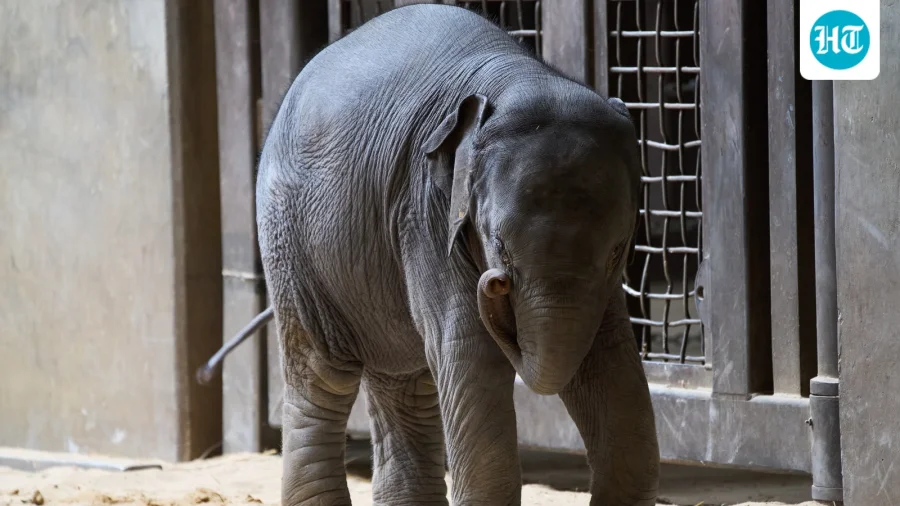
In the early hours of Monday, the quiet of Thannithodu in Kerala's Pathanamthitta district was broken by the desperate cries of a wild elephant calf. Residents, waking to the sounds around 4 am, discovered the young animal had fallen into a well on a private rubber plantation. The incident has triggered an urgent rescue operation by the Forest Department, drawing attention to the ongoing challenges of human-elephant conflict in the region.
How the Rescue Operation Began
Local villagers, alerted by the calf's distress calls, quickly informed forest officials. The Forest Department responded promptly, arriving at the scene to assess the situation. The calf, believed to be separated from its herd, was trapped inside the well, unable to climb out on its own. The rescue operation involves heavy machinery to dig a sloped ramp inside the well, a method often used in such scenarios to allow the animal to walk out safely.
Why This Incident Matters for Kerala's Wildlife
Kerala's forested regions, particularly in Pathanamthitta, are home to significant elephant populations. Encounters between elephants and human settlements are not uncommon, often leading to dangerous situations for both. This incident highlights the vulnerability of young elephants, which can easily become separated from their herds and fall into man-made structures like wells. The rescue effort is not just about saving one animal but also about maintaining the delicate balance between wildlife conservation and human safety.
Timeline of the Thannithodu Elephant Rescue
The sequence of events began around 4 am on Monday when residents heard the calf's cries. By morning, forest officials had arrived and begun coordinating the rescue. The operation involves creating a ramp inside the well, a process that requires careful planning to avoid injuring the calf. As of the latest reports, the rescue is ongoing, with officials working to ensure the calf's safe extraction.
Human Impact: The Community's Role in Wildlife Rescue
The swift response by local residents underscores the close relationship between communities and wildlife in Kerala's forest fringes. Villagers often act as the first line of defense, alerting authorities to animals in distress. This incident also raises questions about the safety of open wells in areas frequented by wildlife, prompting calls for better protective measures.
Forest Department's Response and Rescue Strategy
Forest officials have deployed a team of experts, including veterinarians and wildlife rescuers, to handle the situation. The strategy involves using an excavator to dig a ramp, allowing the calf to walk out of the well. Officials are monitoring the calf's health and stress levels, ensuring it remains calm during the operation. The goal is to reunite the calf with its herd, which is likely nearby.
Understanding the Risks: Human-Elephant Conflict in Kerala
This incident is part of a broader pattern of human-elephant conflict in Kerala, where expanding human settlements encroach on elephant habitats. Open wells, agricultural fields, and roads pose significant risks to elephants, especially young ones. Conservationists emphasize the need for better infrastructure, such as covered wells and elephant corridors, to prevent such accidents.
Confirmed Facts vs What Remains Unclear
What is confirmed: A wild elephant calf fell into a well in Thannithodu, Pathanamthitta, early Monday morning. The Forest Department launched a rescue operation. What remains unclear: The exact depth of the well, the calf's age and health status, and whether the herd is still in the vicinity. Officials have not yet confirmed the timeline for the rescue's completion.
Wider Pattern: Elephant Rescues in Kerala
This is not an isolated incident. In recent years, Kerala has seen several elephant rescues from wells and other man-made structures. In January 2025, a wild elephant was rescued from a 25-foot-deep well in Malappuram after a 21-hour effort. These incidents highlight the recurring challenge and the need for proactive measures to protect both wildlife and human communities.
Practical Guidance for Residents in Elephant-Prone Areas
Residents living near forested areas should ensure that wells are securely covered or fenced. If you hear animal distress calls, contact the local Forest Department immediately. Avoid approaching trapped animals, as they may be stressed and unpredictable. Support local conservation efforts that focus on creating safe corridors for wildlife.
Future Outlook: What Happens Next
Once rescued, the calf will be examined by veterinarians and, if healthy, released back into the wild. Officials will attempt to locate its herd for reunification. In the longer term, this incident may prompt local authorities to review safety measures for wells in wildlife-prone areas. Conservationists hope it will also raise awareness about the need for sustainable coexistence.
Our Take
This rescue operation is a testament to the dedication of Kerala's forest officials and the vigilance of local communities. However, it also serves as a reminder of the urgent need for better infrastructure to prevent such incidents. Every elephant saved is a victory, but the goal should be to prevent these accidents altogether. The story of this calf is not just about a rescue; it is about the broader challenge of living alongside wildlife in a rapidly changing landscape.
Frequently Asked Questions
How did the elephant calf fall into the well?
The calf likely wandered away from its herd and accidentally fell into an uncovered well on a private rubber plantation in Thannithodu, Pathanamthitta.
What is the Forest Department doing to rescue the calf?
Forest officials are using heavy machinery to dig a sloped ramp inside the well, allowing the calf to walk out safely. Veterinarians are monitoring its health.
Is the calf injured?
Officials have not confirmed any injuries, but the calf is being monitored for stress and physical harm. The rescue operation is designed to minimize risk.
What should residents do if they find a trapped animal?
Contact the local Forest Department immediately. Do not attempt to rescue the animal yourself, as it may be dangerous for both you and the animal.