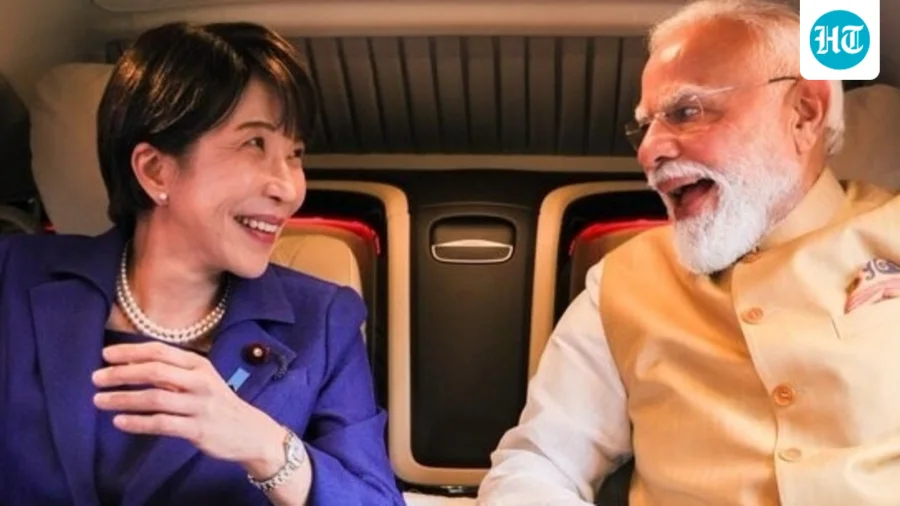
When Prime Minister Narendra Modi called Japanese Prime Minister Sanae Takaichi his ‘little sister’ during a public address, many saw it as an uncharacteristic moment of raw emotion from a leader known for his carefully calibrated diplomacy. But the real story, sources indicate, lies in a restricted, private conversation that preceded the public gesture.
The Private Exchange That Changed the Tone
Behind closed doors, away from cameras and official transcripts, Modi and Takaichi shared a conversation that went beyond standard diplomatic pleasantries. It was during this restricted meeting that the foundation for the familial reference was laid. While the exact details remain undisclosed, the exchange reportedly involved a mutual recognition of shared challenges and a personal commitment to strengthening ties.
Why ‘Little Sister’ Matters in Diplomacy
In Indian culture, referring to someone as a ‘sister’ or ‘brother’ carries deep emotional weight. It signifies trust, protection, and a bond that transcends formal agreements. For Modi, a leader who rarely displays personal vulnerability, using such a term for a foreign counterpart was a deliberate signal. It indicated that the relationship with Japan under Takaichi was not just strategic but also personal.
How Takaichi Responded
The Japanese PM did not let the gesture go unnoticed. She responded with a warm smile and later publicly referred to Modi as her ‘bigger brother’. This reciprocal framing reinforced the idea of a partnership built on mutual respect and familial warmth. Takaichi also expressed confidence in taking India-Japan relations to a new phase, hinting at deeper cooperation ahead.
The Strategic Context Behind the Warmth
The personal rapport comes at a critical time. India and Japan are key partners in the Indo-Pacific region, facing shared concerns about China’s assertiveness. The summit saw the signing of a defence co-development agreement, a significant step in military cooperation. The ‘little sister’ remark, therefore, was not just a feel-good moment—it was a diplomatic tool to solidify trust for complex negotiations.
What the Public Saw vs. What Happened Privately
Publicly, the moment appeared spontaneous. But sources suggest it was a calculated yet genuine expression of a bond forged in private. Modi’s rare emotional display was a way to publicly validate the trust built behind the scenes. This dual-layered diplomacy—private sincerity followed by public symbolism—is a hallmark of Modi’s foreign policy style.
Confirmed Facts vs What Remains Unclear
Confirmed: Modi called Takaichi his ‘little sister’ during a public address. Takaichi responded positively and called him her ‘bigger brother’. The leaders signed a defence co-development agreement. Unclear: The exact content of the private conversation that led to the remark. Whether this personal bond will translate into concrete policy shifts remains to be seen.
Risks and Balanced View
While the gesture was widely praised, some analysts caution against over-personalising diplomacy. Critics argue that such familial language can create unrealistic expectations or be seen as patronising in certain cultural contexts. However, in the India-Japan dynamic, where both leaders value hierarchy and respect, the move was well-received.
Wider Trend: Personal Diplomacy in a Polarised World
Modi’s ‘little sister’ remark is part of a broader trend where world leaders use personal relationships to navigate complex geopolitical landscapes. From the ‘bromance’ between Modi and former US President Donald Trump to the warm ties with French President Emmanuel Macron, personal chemistry often complements strategic interests. This approach can break ice but also risks fragility if the personal equation sours.
Practical Reader Guidance
For those following India-Japan relations, this moment signals a potential acceleration in defence and economic partnerships. Investors and businesses should watch for follow-up agreements in technology, infrastructure, and clean energy. For students of diplomacy, it’s a case study in how private conversations shape public outcomes.
Future Outlook
The personal bond between Modi and Takaichi is likely to facilitate smoother negotiations on contentious issues like trade tariffs and technology transfer. However, the real test will be whether this warmth translates into tangible outcomes, such as a comprehensive economic partnership agreement or joint defence exercises. The ‘little sister’ remark has set a high bar for mutual trust.
Our Take
This story is more than a viral moment. It reveals how modern diplomacy increasingly relies on personal chemistry to break through bureaucratic inertia. Modi’s willingness to use a familial term for a female leader also challenges traditional gender norms in international relations. While the gesture was culturally specific, its impact was universal: trust is built in private, but it must be seen in public to matter.
Frequently Asked Questions
Why did PM Modi call Japanese PM Takaichi his ‘little sister’?
The remark stemmed from a private, restricted conversation between the two leaders where they built personal trust. Modi used the term publicly to signal a deeper bond beyond formal diplomacy.
How did Japanese PM Takaichi respond?
Takaichi responded with a smile and later referred to Modi as her ‘bigger brother’, reciprocating the familial gesture and expressing confidence in deepening India-Japan ties.
Was this a planned diplomatic gesture or spontaneous?
While it appeared spontaneous, sources indicate it was a calculated expression of a bond forged in private. Modi rarely shows such emotion, making the moment significant.
What does this mean for India-Japan relations?
The personal rapport is expected to facilitate smoother negotiations on strategic issues like defence, trade, and Indo-Pacific security. It signals a relationship built on mutual trust.