What do you get when you mix a 17-year-old ethical hacker, a Honey Singh song, and India's biggest school board? A controversy that has the internet divided and the Central Board of Secondary Education (CBSE) scrambling for answers.
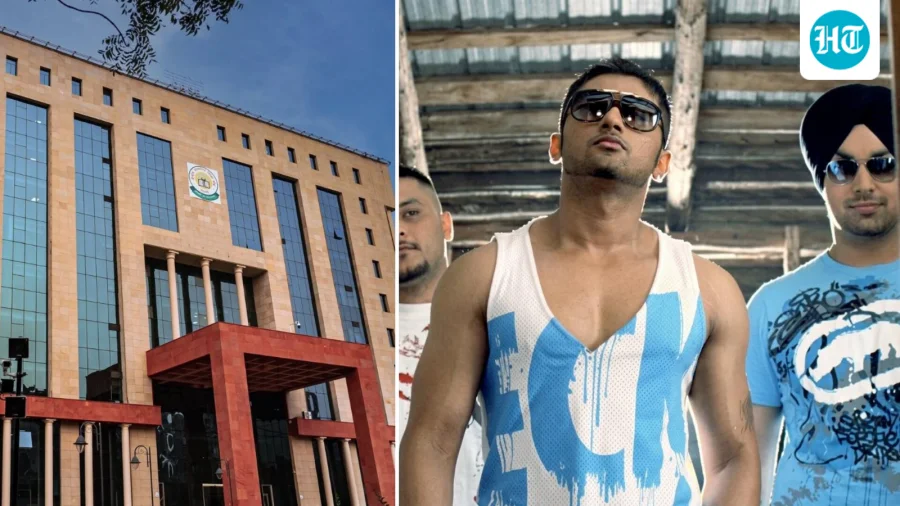
Nisarga Adhikary, a teenager from West Bengal, didn't just find a flaw in CBSE's On-Screen Marking (OSM) system for Class 12 exams. He did something far more memorable: he posted a meme featuring a popular Honey Singh track, mocking the board's security gaps. The post went viral, and now, CBSE has reportedly admitted the system has vulnerabilities.
Why This Matters Right Now
This isn't just about a teenager showing off his hacking skills. It's about the trust millions of students, parents, and schools place in the CBSE board every year. If a 17-year-old can expose gaps in the marking system, what does that mean for the fairness of exam results? The incident has raised serious questions about data security, exam integrity, and whether the board is doing enough to protect student information.
How the Incident Unfolded
Nisarga Adhikary, who describes himself as an ethical hacker, discovered that the OSM system had a vulnerability that could potentially allow unauthorized access to answer scripts or marking data. Instead of writing a formal report, he chose a more modern approach: a meme. He posted a screenshot of the flaw alongside a clip from a Honey Singh song, effectively saying, "Look how easy this was."
The post quickly caught fire on social media. Two other teenagers also came forward with similar findings, adding more pressure on CBSE. The board, initially silent, has now reportedly acknowledged the gaps and is working on a fix.
Who Is Affected and What Officials Are Saying
The primary victims here are the lakhs of Class 12 students who appeared for the board exams this year. Any vulnerability in the marking system could theoretically affect their scores, though CBSE has assured that no data was compromised.
CBSE officials have stated that they are taking the matter "very seriously" and have launched an internal investigation. "We appreciate the responsible disclosure by the ethical hacker," a board spokesperson said, "and we are implementing additional security measures to prevent any future breaches."
What We Know So Far — and What Remains Unclear
What we know: Nisarga Adhikary and two other teenagers found a vulnerability in the CBSE OSM system. They posted about it online, and CBSE has acknowledged the issue.
What remains unclear: The exact nature of the vulnerability. Was it a simple coding error or a deeper systemic flaw? Also, could any data have been accessed before the flaw was reported? CBSE has not confirmed if any unauthorized access actually occurred.
Risks, Concerns, and the Balanced View
The biggest risk is a loss of trust. If students and parents feel the marking system is insecure, it could lead to widespread anxiety and even legal challenges. On the other hand, some experts argue that the hacker did the right thing by exposing the flaw responsibly, even if the method was unconventional.
Critics say: The meme was disrespectful and trivialized a serious issue. Supporters say: It was a clever way to get the board's attention, something a formal email might not have achieved.
Why Similar Trends Are Growing
This incident is part of a larger trend where young ethical hackers are exposing flaws in government and corporate systems. From Aadhaar to railway booking sites, vulnerabilities are being found by teenagers with laptops and curiosity. The CBSE row is just the latest example of how the digital age is forcing institutions to rethink their security.
- In 2023, a teenager exposed a flaw in the Indian Railways' ticketing system.
- Another young hacker found vulnerabilities in a major bank's mobile app.
"Responsible disclosure is important, but sometimes you need to be loud to be heard." — Nisarga Adhikary, in a social media post.
What Readers, Students, and Parents Should Know Now
For now, CBSE has assured that no student data or marks were compromised. If you are a Class 12 student, there is no immediate need to panic. However, this incident is a reminder to stay vigilant about your personal data. If you suspect any issues with your results, you can contact the board's helpline.
For parents, this is a good time to talk to your children about cybersecurity and ethical hacking. Not all hackers are criminals — some are just trying to make the system better.
What Could Happen Next
CBSE is expected to release a detailed report on the vulnerability and the steps taken to fix it. The board may also introduce a formal bug bounty program to encourage ethical hackers to report flaws directly, rather than through memes.
Meanwhile, Nisarga Adhikary has become a minor celebrity in the cybersecurity community. He says he plans to continue his work, but next time, he might send an email first.
Our Take: Why This Story Matters Beyond One Incident
This story is a perfect example of how the old world and the new world are colliding. A teenager using a pop culture meme to expose a flaw in a government system is not just a funny anecdote — it's a sign of the times. Institutions like CBSE need to adapt to a world where security is tested not just by professionals, but by anyone with a laptop and a curious mind.
The board's willingness to admit the gaps is a positive step. But the real test will be whether they can rebuild trust and ensure that the Class 12 results are as fair and secure as they should be.
FAQs
What did the teen hacker do to the CBSE OSM system?
Nisarga Adhikary, a 17-year-old ethical hacker, discovered a vulnerability in CBSE's On-Screen Marking (OSM) system for Class 12 exams. He posted a meme using a Honey Singh song to highlight the flaw, which went viral and forced CBSE to acknowledge the issue.
Is the CBSE marking system safe for Class 12 students?
CBSE has stated that no student data or marks were compromised. The board is currently working on fixing the vulnerability and has assured students that the system is safe. However, the incident has raised concerns about overall exam security.
Why did the hacker use a Honey Singh song in the meme?
The hacker used the meme as a creative and attention-grabbing way to expose the flaw. He believed that a formal report might not get the same level of response from the board. The viral nature of the meme ensured that the issue was taken seriously.
What should students do if they are worried about their CBSE results?
Students should not panic. CBSE has confirmed that no data was compromised. If you have specific concerns about your results, you can contact the CBSE helpline or your school for clarification. The board is expected to release a detailed update soon.