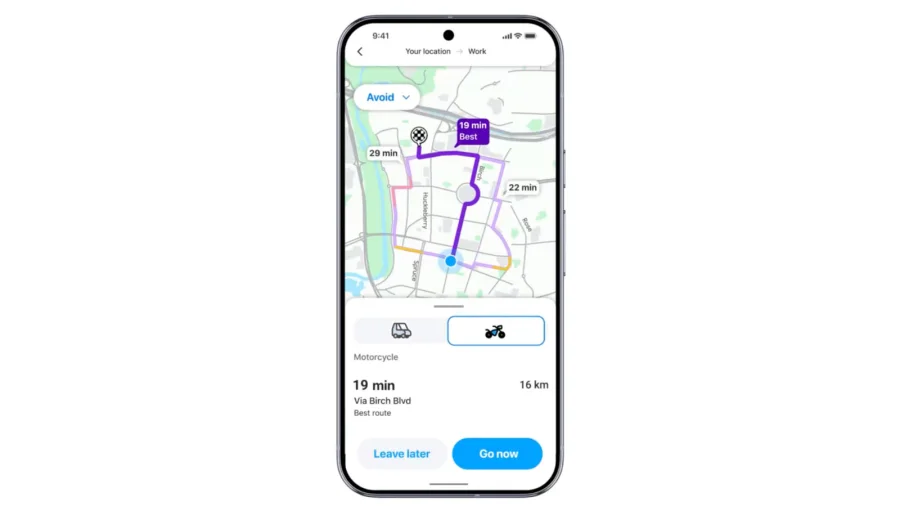
Waze is getting smarter and quieter. The popular navigation app, owned by Google, is rolling out a suite of new AI-powered features, including a dedicated Motorcycle mode and a 'Less Chatty' option, signaling a deeper embrace of Google's Gemini AI technology. For millions of daily commuters and riders, this update promises a more personalized and less distracting driving experience.
What the New Waze AI Features Mean for Drivers
The headline additions are two-fold. First, the Motorcycle mode is designed specifically for two-wheeler riders, offering route optimizations that consider factors like lane splitting legality, road surface conditions, and parking availability for bikes. Second, the 'Less Chatty' mode addresses a long-standing user complaint: too many voice prompts. This feature reduces the frequency of alerts, allowing for a calmer, less interrupted journey.
Why Waze Is Turning to Gemini AI Now
This move mirrors Google Maps' recent integration of Gemini, Google's most advanced AI model. By leveraging Gemini, Waze can process complex navigation data more intelligently, offering context-aware suggestions rather than just turn-by-turn directions. For users, this means the app learns your preferences over time—whether you prefer the fastest route or the quietest one—and adapts accordingly.
How the 'Less Chatty' Mode Changes Your Drive
For many, the constant stream of "In 200 meters, turn left" can be exhausting, especially on long trips. The 'Less Chatty' mode is a direct response to this feedback. It reduces non-critical alerts, such as "You are on the fastest route" or "There is a police reported ahead," while still delivering essential navigation cues. The result is a more serene driving environment, particularly useful for night drives or when passengers are sleeping.
Who Benefits Most from the Motorcycle Mode
Motorcyclists have long felt underserved by mainstream navigation apps. Waze's new Motorcycle mode addresses this gap by offering routes that avoid highways where bikes are prohibited, highlight twisty roads preferred by enthusiasts, and provide alerts for hazards like potholes or gravel. For daily commuters in cities like Bengaluru or Mumbai, where two-wheelers are a primary mode of transport, this feature could be a game-changer.
Official Response and Rollout Details
Google has confirmed that the new features are rolling out globally to Waze users on both iOS and Android. The update is being pushed gradually, so not all users will see it immediately. "We're using Gemini to make Waze more intuitive and less intrusive," a Google spokesperson said in a statement. "The goal is to give drivers exactly what they need, when they need it—nothing more, nothing less."
What This Means for the Future of Navigation Apps
The integration of Gemini into Waze signals a broader trend: AI is moving from being a backend tool to a front-end experience shaper. Instead of just calculating routes, apps like Waze are now learning user behavior and adjusting in real time. This could lead to features like predictive navigation (suggesting a route before you even type a destination) or dynamic voice personalities that match your mood.
Confirmed Facts vs What Remains Unclear
Confirmed: Waze is rolling out Motorcycle mode and 'Less Chatty' mode powered by Gemini AI. The features are available on iOS and Android. Unclear: The exact timeline for full global rollout. Whether the 'Less Chatty' mode can be customized further (e.g., which alerts to silence). Whether Motorcycle mode will include features like weather-based rerouting or fuel stop suggestions. These details are expected to emerge as the rollout progresses.
Waze's Competitive Edge in the AI Navigation Race
Waze's strength has always been its community-driven data—real-time reports from users about traffic, police, and hazards. By layering Gemini AI on top of this, Waze creates a hybrid model: human intelligence plus machine intelligence. This combination is hard for competitors to replicate. Google Maps has a larger user base, but Waze's loyal community and now its AI-powered personalization give it a distinct moat in the navigation space.
Risks and Balanced View
Not everyone is thrilled. Some users worry that AI-driven personalization could lead to echo chambers in navigation—always suggesting the same routes, missing out on new discoveries. Others are concerned about privacy: Gemini processes data on the cloud, raising questions about how driving habits are stored and used. Additionally, the 'Less Chatty' mode, while welcome, could lead to missed alerts for critical hazards if not calibrated correctly.
Wider Trend: AI Personalization in Everyday Apps
This update is part of a larger shift across Google's ecosystem. From Gmail's smart replies to YouTube's recommendation engine, AI is becoming the invisible hand that shapes user experience. Waze's new features are a microcosm of this trend: apps are no longer just tools; they are adaptive assistants that learn your preferences and adjust their behavior accordingly.
Practical Guidance for Waze Users
If you're a Waze user, check your app's settings under "Navigation" or "Voice & Sound" to see if the new options are available. For motorcyclists, enable Motorcycle mode before starting a trip to get optimized routes. If you find the default voice prompts distracting, toggle 'Less Chatty' mode on. Keep the app updated to ensure you receive the latest features as they roll out.
Future Outlook
Expect more AI-driven features from Waze in the coming months. Possibilities include voice-controlled navigation via Gemini, real-time hazard prediction using historical data, and even integration with smart home devices. As Google continues to invest in AI, Waze will likely become a testing ground for new navigation technologies before they appear in Google Maps.
Our Take
Waze's new AI features are a smart, user-centric evolution. The Motorcycle mode addresses a genuine gap in the market, while the 'Less Chatty' mode shows that the company is listening to its community. However, the real test will be execution: whether the AI truly enhances the experience without adding complexity or compromising privacy. For now, this update positions Waze as a leader in AI-powered navigation, setting a new standard for what drivers can expect from their apps.
Frequently Asked Questions
How do I enable Waze's new Motorcycle mode?
Open the Waze app, go to Settings > Navigation, and look for the "Vehicle type" option. Select "Motorcycle" to enable the new mode, which will optimize routes and alerts for two-wheeler riders.
What does 'Less Chatty' mode do in Waze?
'Less Chatty' mode reduces the frequency of non-essential voice prompts and notifications, such as "You are on the fastest route," while still delivering critical navigation cues like turns and hazard alerts.
Is Waze's new AI feature available on both iOS and Android?
Yes, the update is rolling out to both iOS and Android users globally. However, the rollout is gradual, so it may take a few days or weeks to appear on your device.
Does the 'Less Chatty' mode affect safety alerts?
No, the mode is designed to reduce only non-critical prompts. Essential safety alerts, such as police presence or accidents, will still be delivered to ensure driver awareness.