The wife of climate activist Sonam Wangchuk has raised serious objections after Delhi Police shifted him to a government hospital without her consent, as tensions escalate at the Jantar Mantar protest site. Gitanjali J Angmo made it clear on Saturday that no medicine should be administered to Wangchuk without her approval and that of his personal doctor, marking a new flashpoint in the ongoing standoff.
Why the consent objection matters now
For a family watching a loved one's health deteriorate on the 21st day of an indefinite hunger strike, the sudden hospitalisation by police raises deeply personal and legal questions. Angmo's demand is not just about medical ethics — it reflects a broader concern over autonomy and trust in a situation already charged with tension. The activist's condition had worsened at the Jantar Mantar protest site, where he was demanding action on climate and environmental issues.
How the police action unfolded
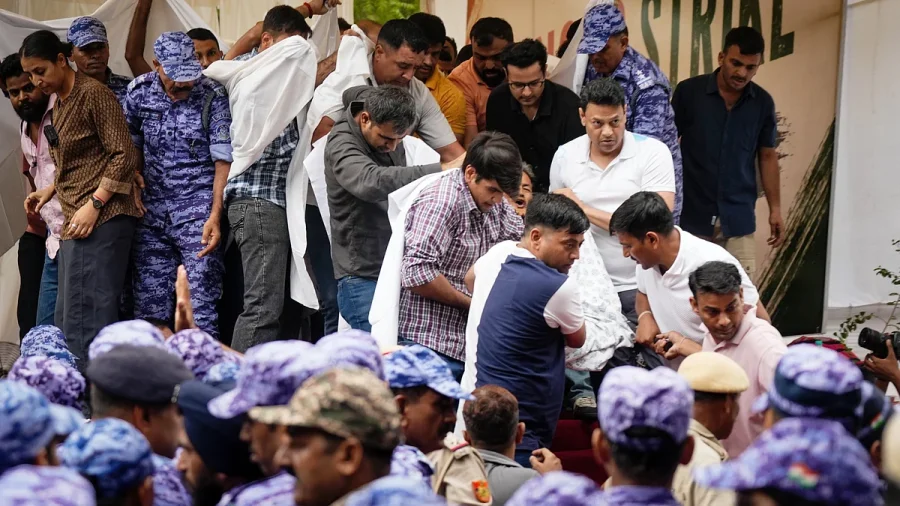
Delhi Police moved Wangchuk to a government hospital after his health took a turn for the worse. The police cited medical reasons for the shift, but the manner of the action has drawn sharp criticism. Soon after, Cockroach Janata Party (CJP) founder Abhijit Dipke alleged that protesters were subjected to a police crackdown. In a post on X, Dipke claimed, "I have been beaten up and put under detention by Delhi Police." He further alleged that police personnel assaulted protesters and forcibly took Wangchuk away.
Who is affected by this standoff
At the heart of this are Wangchuk's family, his supporters, and the broader activist community. For his wife, the lack of consent over medical treatment is a violation of personal rights. For the protesters at Jantar Mantar, the police action signals a crackdown on peaceful dissent. The incident also puts the spotlight on the Delhi Police's handling of hunger strikes and the rights of activists to choose their medical care.
What the police and CJP are saying
Delhi Police has not yet issued a detailed statement on the allegations of assault or the consent issue. The official position remains that Wangchuk was hospitalised due to medical necessity. However, Dipke's claims of being beaten and detained, along with the forcible removal of Wangchuk, paint a different picture. The CJP has called for an independent inquiry into the police action.
What this means for medical consent in custody
The case raises critical questions about medical consent when a person is taken into custody or shifted by authorities. Legal experts point out that even in such situations, a patient's or their family's consent is typically required unless there is an immediate life-threatening emergency. Angmo's objection underscores the need for clear protocols and transparency in such interventions.
Confirmed facts vs what remains unclear
What is confirmed: Wangchuk was on a hunger strike for 21 days, his health deteriorated, and Delhi Police shifted him to a government hospital. His wife has objected to treatment without consent. Dipke has alleged assault and detention. What remains unclear: Whether police used force, the exact medical condition of Wangchuk, and whether any formal consent was sought before treatment.
Risks and concerns emerging
The situation carries multiple risks. For Wangchuk, there is the danger of medical treatment being administered against his and his family's wishes. For the protesters, the alleged crackdown could deter future peaceful demonstrations. For the police, the allegations of assault could damage public trust. The lack of clarity on consent protocols adds another layer of concern.
Wider pattern of police-protest tensions
This incident fits into a broader pattern of tensions between authorities and activists in India. Hunger strikes and protests at Jantar Mantar have often led to police interventions, but the question of medical consent and alleged force remains a recurring issue. The case highlights the delicate balance between maintaining public order and respecting individual rights.
What supporters and observers should watch
For those following the case, the key developments to watch are: any official statement from Delhi Police on the allegations, the medical reports on Wangchuk's condition, and whether his wife's demand for consent is respected. Supporters may also look for legal action or a court petition challenging the police action.
What could happen next
The immediate future depends on Wangchuk's health and the response from authorities. If his wife's objection gains legal traction, it could lead to a court order on medical consent. The CJP's allegations may prompt a police inquiry or a human rights commission review. The protest itself may continue or shift focus to the police action.
Our Take
This story is not just about one activist's health — it is about the rights of every individual to have a say in their own medical treatment, even in the midst of a protest or police action. The wife's objection is a legitimate demand for transparency and respect. At the same time, the allegations of a police crackdown need a thorough investigation. In a democracy, the right to protest and the right to medical autonomy must both be protected. The coming days will test whether authorities can balance these competing concerns without eroding public trust.
Frequently Asked Questions
Why did Sonam Wangchuk's wife object to his treatment?
Gitanjali J Angmo said no medicine should be given to Wangchuk without her consent and that of his personal doctor, after Delhi Police shifted him to a government hospital from the Jantar Mantar protest site.
What did the CJP founder allege about the police action?
Abhijit Dipke claimed he was beaten and detained by Delhi Police, and that protesters were assaulted while Wangchuk was forcibly taken away.
Was Sonam Wangchuk on a hunger strike?
Yes, he was on the 21st day of an indefinite hunger strike at Jantar Mantar when his health deteriorated, leading to police intervention.
What happens next in this case?
The situation is evolving. Key developments to watch include any police statement on the allegations, medical reports on Wangchuk's condition, and possible legal action over the consent issue.