# Wangchuk Alleges Key Governance Provision Omitted From Ladakh Talks Draft Minutes
Climate activist Sonam Wangchuk has raised serious concerns over the transp...
Rajendra Singh
News Headline Alert
728 x 90Header Slot
TL;DR — Quick Summary
Climate activist Sonam Wangchuk has alleged that the draft minutes of a recent meeting between Ladakh representatives and the Ministry of Home Affairs omitted a key governance provision regarding the primacy of elected representatives. The omission, he warned, could undermine trust in the ongoing dialogue process. The Chief Secretary has said the draft is provisional and concerns can be addressed.
Key Facts
Key Point
Sonam Wangchuk alleged a crucial understanding from 22 May talks was omitted from draft minutes.
Key Point
The omission concerns the primacy of elected representatives over bureaucracy in governance.
Key Point
The Leh Apex Body and Kargil Democratic Alliance have been negotiating with the Centre since 2021.
Key Point
Chief Secretary Ashish Kundra said the draft is provisional and omissions can be added.
Key Point
Wangchuk warned the omission could erode trust in the dialogue process.
# Wangchuk Alleges Key Governance Provision Omitted From Ladakh Talks Draft Minutes
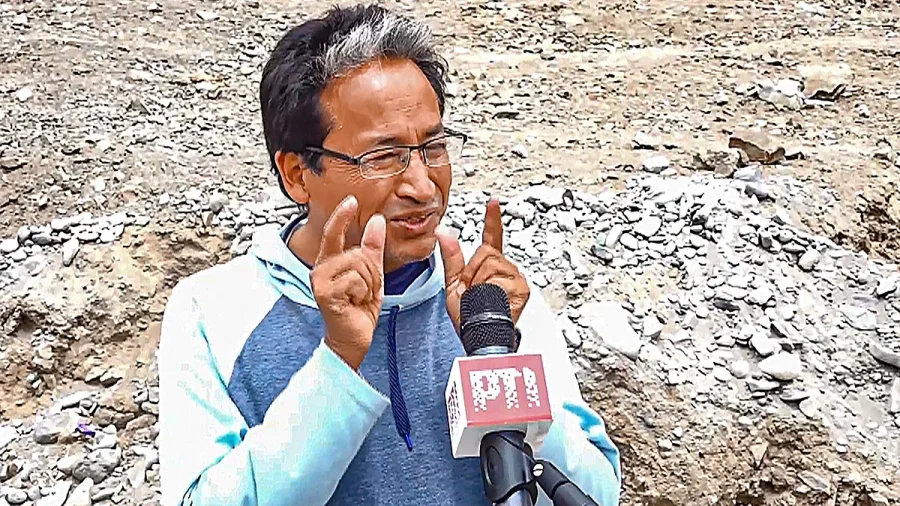
Climate activist Sonam Wangchuk has raised serious concerns over the transparency of the ongoing dialogue between Ladakh representatives and the Centre, alleging that a crucial governance provision was deliberately omitted from the draft minutes of a recent meeting.
The omission, he warned, could erode the fragile trust built over years of negotiations, and has cast a shadow over the future of the talks that have been ongoing since 2021.
## Quick Answer
Sonam Wangchuk alleged that the draft minutes of a 22 May meeting between Ladakh representatives and the Ministry of Home Affairs (MHA) omitted a key understanding on the primacy of elected representatives over the bureaucracy in governance. The Chief Secretary has said the draft is provisional and concerns can be addressed before finalisation.
## Core Update
The controversy centres on a meeting convened by the MHA on 22 May as part of its ongoing political dialogue with representatives of Ladakh. The Leh Apex Body and the Kargil Democratic Alliance (KDA) have been negotiating with the Centre since 2021 over a range of demands, including statehood for Ladakh and its inclusion under the Sixth Schedule of the Constitution.
Wangchuk, a prominent climate activist and a key figure in the Ladakh movement, said that while the draft minutes referred to discussions on legislative and executive powers, they failed to mention a critical understanding reached during the meeting: the primacy of elected representatives in governance.
## Why This Matters Right Now
This is not a procedural dispute. At its core, this is about the future governance structure of Ladakh. For years, the region has been demanding greater autonomy and democratic representation. The omission of a provision that affirms the role of elected representatives over the bureaucracy strikes at the heart of those demands.
If the draft minutes are allowed to stand without this provision, it could signal that the Centre is not fully committed to the democratic aspirations of the people of Ladakh. This could deepen mistrust and stall a dialogue process that has already been slow and fraught with tension.
## Timeline of Events
### H3 Timeline
- **2021:** The Leh Apex Body and Kargil Democratic Alliance begin formal negotiations with the Centre, demanding statehood for Ladakh and inclusion under the Sixth Schedule.
- **22 May 2026:** A meeting is convened by the Ministry of Home Affairs as part of the ongoing dialogue. A key understanding on the primacy of elected representatives is reportedly reached.
- **2 June 2026:** Sonam Wangchuk alleges that the draft minutes of the 22 May meeting omit the crucial provision on elected representatives' primacy. He warns of a potential hunger strike if the issue is not addressed.
- **Ongoing:** The Chief Secretary, Ashish Kundra, states that the draft is provisional and that any omissions can be added before the minutes are finalised.
## How This Affects People
For the people of Ladakh, this is a deeply personal issue. The demand for statehood and Sixth Schedule status is not just about administrative convenience; it is about preserving their unique culture, protecting their land, and having a real say in their own governance.
If the primacy of elected representatives is not enshrined in the official record, it could mean that future decisions about Ladakh's development, resource allocation, and cultural preservation could be made by bureaucrats in Delhi rather than by locally elected leaders. This is a fundamental question of democracy and self-determination.
## What Authorities Are Saying
Sonam Wangchuk has been vocal in his criticism. He stated that the omission of the provision on the primacy of elected representatives is a serious matter that could undermine the entire dialogue process. He has warned that if the issue is not resolved, he may resort to a hunger strike.
On the other hand, Chief Secretary Ashish Kundra has attempted to downplay the controversy. He said that the draft minutes are provisional and that any concerns raised by the Ladakh representatives can be addressed before the minutes are finalised. He urged all parties to remain patient and continue the dialogue.
## Detailed Analysis
The omission of this provision is significant for several reasons. First, it touches on the core of the Ladakh demand: democratic autonomy. The region has long felt that its voice is not heard in Delhi, and the demand for statehood is a demand for a stronger, more accountable local government.
Second, the timing is critical. The talks have been ongoing for five years, and progress has been slow. Any perception of bad faith or lack of transparency could derail the entire process. Wangchuk's warning of a hunger strike is a clear signal of the depth of frustration.
Third, the response from the Chief Secretary, while conciliatory, does not fully address the concern. The fact that the provision was omitted in the first place raises questions about the drafting process and whether there is a deliberate attempt to water down the commitments made during the meeting.
## What We Know vs What Remains Unclear
### Confirmed Facts
- A meeting between Ladakh representatives and the MHA took place on 22 May.
- Sonam Wangchuk has alleged that the draft minutes omitted a key provision on the primacy of elected representatives.
- The Chief Secretary has confirmed the draft is provisional and that concerns can be addressed.
### Unclear
- Whether the omission was accidental or deliberate.
- The exact wording of the provision that was allegedly omitted.
- Whether the omission will be corrected in the final version of the minutes.
- The timeline for the finalisation of the minutes.
## Risks & Concerns
The primary risk is a breakdown of trust. If the Ladakh representatives feel that their concerns are not being taken seriously, they may walk away from the talks. This would be a major setback for the region and for the Centre's efforts to resolve the long-standing demands.
There is also the risk of public unrest. Wangchuk's warning of a hunger strike is a serious escalation. If he follows through, it could galvanise public opinion in Ladakh and put further pressure on the government.
Finally, there is the risk of legal challenges. If the final minutes do not reflect the understanding reached during the meeting, the Ladakh representatives could challenge the validity of the entire dialogue process in court.
## Trend Analysis
This is not the first time that the Centre-Ladakh talks have faced a crisis of confidence. The negotiations have been marked by periods of optimism followed by frustration. The demand for statehood and Sixth Schedule status has been a rallying point for the people of Ladakh, and any perceived backtracking by the Centre is met with strong resistance.
Similar patterns have been seen in other regions of India where autonomy movements have stalled due to a lack of trust in the dialogue process. The situation in Ladakh is a reminder that transparency and good faith are essential for any successful negotiation.
## What Readers Should Know Now
- The draft minutes of the 22 May meeting are not final.
- The Chief Secretary has said that concerns can be addressed.
- Wangchuk has warned of a hunger strike if the issue is not resolved.
- The future of the Centre-Ladakh talks hangs in the balance.
## What Could Happen Next
The most likely scenario is that the MHA will revise the draft minutes to include the provision on the primacy of elected representatives. This would de-escalate the situation and allow the talks to continue.
However, if the omission is not corrected, Wangchuk could follow through on his hunger strike threat. This would put immense pressure on the government and could lead to a wider protest movement in Ladakh.
In the worst-case scenario, the talks could collapse entirely, leaving the region's demands unresolved and deepening the sense of alienation among the people of Ladakh.
## Our Take
This is a moment of truth for the Centre-Ladakh dialogue. The omission of a key governance provision from the draft minutes, whether accidental or deliberate, is a serious lapse. The government must act quickly to restore trust by ensuring that the final minutes accurately reflect the understanding reached during the meeting.
The people of Ladakh have been patient for five years. They deserve a transparent and honest dialogue. Anything less will only deepen the crisis.
## FAQs
### What exactly did Sonam Wangchuk allege?
Sonam Wangchuk alleged that the draft minutes of a 22 May meeting between Ladakh representatives and the Ministry of Home Affairs omitted a crucial understanding on the primacy of elected representatives over the bureaucracy in governance.
### Why is the primacy of elected representatives important for Ladakh?
The demand for statehood and Sixth Schedule status is fundamentally about democratic autonomy. Ensuring that elected representatives have primacy over bureaucrats is essential for the people of Ladakh to have a real say in their own governance, development, and cultural preservation.
### What has been the government's response to the allegation?
Chief Secretary Ashish Kundra has said that the draft minutes are provisional and that any concerns raised by the Ladakh representatives can be addressed before the minutes are finalised. He has urged patience and continued dialogue.
### What could happen if the issue is not resolved?
If the omission is not corrected, Sonam Wangchuk has warned of a hunger strike. This could lead to wider protests in Ladakh and potentially derail the entire dialogue process, leaving the region's demands for statehood and Sixth Schedule status unresolved.
Rajendra Singh Tanwar is a staff correspondent at News Headline Alert, one of India's digital news platforms covering national and state developments across politics, health, business, technology, law, and sport. He reports on government decisions, policy announcements, corporate developments, court rulings, and events that affect people across India — drawing on official documents, named sources, expert commentary, and verified public records.
His work spans breaking news, policy analysis, and public interest reporting. Before each article is published, it is reviewed by the News Headline Alert editorial desk to ensure accuracy and editorial standards are met. Corrections, sourcing queries, and editorial feedback can be directed to editorial@newsheadlinealert.com.