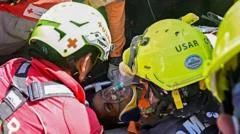
For eight days, Hernán Gil lay trapped under the concrete and steel of a collapsed multi-storey car park in Venezuela. When rescuers finally inched close enough to reach him, he did not just wait to be saved — he cheered them on. The moment he was pulled out alive, the rescue site erupted in applause.
How the rescue unfolded
The earthquake that struck Venezuela devastated large parts of the country, collapsing buildings and trapping hundreds. Among the wreckage was a multi-storey car park in a densely populated area. Hernán Gil was one of the few believed to be alive beneath it. Rescue teams worked day and night, using heavy machinery and their bare hands to clear debris. As they got closer, Gil’s voice — weak but determined — guided them. Witnesses said he shouted encouragement to the rescuers, refusing to give up hope.
Why this rescue matters to Venezuela
After days of grim news — rising death tolls, aftershocks, and dwindling chances of finding survivors — Gil’s rescue has become a powerful symbol. For families still waiting for news of missing loved ones, it offers a fragile but real reason to keep believing. For rescue workers exhausted and grieving, it is a reminder of why they keep digging. The emotional weight of this single survival has rippled across the nation.
The long wait under the rubble
Eight days is an extraordinary length of time to survive without food, water, or medical care. Experts say survival beyond 72 hours is rare, but possible if a person has access to air pockets, some moisture, and the will to live. Gil’s ability to stay conscious and even speak to rescuers suggests he found such a pocket. The car park’s structure, though collapsed, may have created small voids that protected him from crushing weight.
Who is affected by this story
Beyond Gil and his family, the rescue has touched every Venezuelan following the disaster. It has renewed attention on the thousands still missing and the urgent need for international aid. Local communities, already struggling with economic hardship, have rallied to support rescue efforts. The story also highlights the bravery of volunteer and professional rescuers who risk their own lives to save others.
Official response and rescue teams
Venezuelan authorities confirmed the rescue, praising the coordinated effort of national and international teams. The operation involved structural engineers, medical personnel, and search dogs. Officials have not released full details of Gil’s medical condition but said he was conscious and stable when extracted. The rescue has been described as a “miracle” by some officials, though they caution that the situation remains dire for many others.
What made this survival possible
Surviving eight days under rubble requires a combination of luck, physical resilience, and psychological strength. Gil’s positive attitude — cheering on his rescuers — may have played a crucial role. Experts note that survivors who maintain hope and communicate with rescuers often have better outcomes. The car park’s design, while catastrophic in collapse, may have inadvertently created a protective space.
Confirmed facts vs what remains unclear
What is confirmed: Hernán Gil was trapped for eight days under a collapsed multi-storey car park. He was rescued alive and conscious. Rescuers reported he cheered them on. What remains unclear: the exact number of other survivors still trapped, the full extent of Gil’s injuries, and whether any other individuals remain alive in similar pockets. Speculation about additional rescues should be treated with caution until officially confirmed.
Risks and balanced view
While Gil’s rescue is a moment of joy, it does not erase the scale of the tragedy. Thousands remain missing, and the death toll is expected to rise. Rescue operations are becoming more dangerous as aftershocks continue. Some critics have questioned the speed of the official response and whether enough international aid has been allowed in. The rescue should be celebrated, but not used to downplay the ongoing crisis.
Wider pattern of survival in disasters
Gil’s story is part of a broader pattern seen in major earthquakes worldwide — from Turkey to Haiti to Nepal — where survivors have been pulled from rubble after a week or more. These cases, while rare, demonstrate the human body’s remarkable ability to endure extreme conditions. They also underscore the importance of well-coordinated, persistent search and rescue operations.
What affected people should know
For families still searching for loved ones: stay in contact with official rescue coordination centers. Do not attempt to dig through unstable rubble alone. For those in affected areas: be aware of aftershocks and avoid damaged structures. For the international community: continued support — financial, medical, and logistical — is critical in the coming weeks.
What happens next
Rescue teams will continue to search for survivors, though the probability of finding more people alive decreases with each passing day. The focus will gradually shift to recovery and rebuilding. Gil’s rescue may also prompt reviews of building safety standards and emergency preparedness in Venezuela. For now, the nation holds onto this one story of hope.
Our Take
Hernán Gil’s rescue is more than a headline — it is a testament to human endurance and the dedication of rescue workers. In a disaster that has brought so much loss, this single survival reminds us that every life matters. It also highlights the urgent need for better infrastructure and faster disaster response in vulnerable regions. Venezuela, already facing immense challenges, deserves the world’s sustained attention and aid.
Frequently Asked Questions
How long was Hernán Gil trapped under the rubble?
Hernán Gil was trapped for eight days under a collapsed multi-storey car park in Venezuela after the earthquake.
Was Hernán Gil conscious when rescued?
Yes, Gil was conscious and even cheered on rescuers as they worked to free him. He was pulled out alive.
What made his survival possible for eight days?
Survival for eight days is rare but possible due to air pockets, some moisture, and psychological resilience. Gil’s positive attitude likely helped.
Are there other survivors still being searched for?
Yes, search and rescue operations continue for other possible survivors, though the chances of finding more people alive are decreasing.