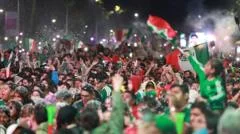
The euphoria of Mexico's first World Cup knockout-stage victory in 40 years turned deadly on Tuesday as three people lost their lives during massive street celebrations in Mexico City. More than one million fans poured into the capital's streets after Mexico's win over Ecuador, and the sheer scale of the crowd proved fatal for some.
How the tragedy unfolded during the celebrations
Mexico's 2-1 victory over Ecuador at the 2026 World Cup sent the co-hosts into the round of 16 for the first time since 1986. Fans erupted in joy across the country, but nowhere more intensely than in Mexico City's historic center and main avenues.
According to local authorities, two people — a 19-year-old woman and a 44-year-old man — died from asphyxiation as the crowd surged and compressed in narrow streets. A third person died after falling from a bridge or elevated structure, though officials have not released further details about that incident.
Why the crowd size became a deadly risk
When more than a million people gather in a concentrated urban area, even a celebratory crowd can turn dangerous. The pressure of bodies pressing against each other, limited exits, and the inability to move freely created conditions where asphyxiation became a real threat.
For the families of the victims, what should have been a night of national pride became a nightmare. The deaths also raise urgent questions about how cities hosting World Cup matches prepare for spontaneous mass celebrations — especially when the home team wins a historic match.
Timeline of events: From victory to tragedy
Mexico's match against Ecuador ended around local evening time. Within minutes, fans began streaming out of homes, bars, and public viewing areas toward the city's main squares. By late evening, the crowd had swelled to over one million, according to city officials.
Emergency services were already on standby but were overwhelmed by the scale of the gathering. Reports of injuries and distress began surfacing as the night wore on. By early Wednesday, authorities confirmed the three deaths and several non-fatal injuries, including cases of heat exhaustion and minor crush injuries.
Who was affected and what the victims' families face
The two asphyxiation victims were identified as a 19-year-old woman and a 44-year-old man. Their names have not been publicly released pending family notification. The third victim, who died from a fall, has not been identified.
For the families, the loss is compounded by the fact that the deaths occurred during what should have been a moment of collective joy. The tragedy also affects the broader community — millions of Mexicans who celebrated responsibly now must grapple with the knowledge that the festivities came at a human cost.
Official response and what authorities are saying
Mexico City's government issued a statement expressing condolences to the victims' families and confirming that investigations are underway. "We deeply regret the loss of life during tonight's celebrations," the statement read. "We urge citizens to celebrate responsibly and to follow safety instructions from authorities."
Police and emergency services have been deployed across the city to manage crowds and provide assistance. Officials have not announced any arrests or charges related to the deaths, as the incidents appear to be accidental outcomes of the crowd's density.
Why mass celebrations can turn deadly — the science of crowd crushes
Crowd crushes and asphyxiation deaths are not uncommon at large gatherings, from music festivals to religious pilgrimages. When crowd density exceeds about four people per square meter, movement becomes difficult. At six to seven people per square meter, the pressure can cause compressive asphyxia — the inability to breathe due to chest compression.
In Mexico City's narrow colonial-era streets and plazas, the risk was amplified. Fans celebrating with flags, banners, and each other created a human tide that, in certain pockets, became immovable and dangerous.
Confirmed facts vs what remains unclear
Confirmed: Three people died during Mexico City World Cup celebrations on Tuesday. Two died from asphyxiation; one died from a fall. Over one million people were in the streets. Mexico had just defeated Ecuador to reach the round of 16.
Unclear: The exact locations where each death occurred. Whether any specific crowd management failures contributed. The identities of all victims. Whether any criminal negligence is involved. The full number of injuries.
Risks and concerns for future celebrations
With Mexico set to play again in the round of 16, the risk of further mass gatherings is high. If Mexico wins again, even larger crowds could gather. Authorities face a difficult balance: allowing public celebration while ensuring safety.
Critics argue that the city was underprepared for the scale of the celebration, given that Mexico had not reached this stage in 40 years. Others point out that spontaneous celebrations are inherently difficult to control, and that no amount of planning can fully eliminate risk when a million people decide to gather.
Wider pattern: Stadium and street tragedies at World Cups
This is not the first time World Cup-related celebrations have turned deadly. In previous tournaments, fan zones, public viewing areas, and street parties have seen fatalities from crowd crushes, traffic accidents, and violence. The 2022 World Cup in Qatar saw several incidents involving fan safety, though on a smaller scale.
The tragedy in Mexico City serves as a reminder that the World Cup's emotional highs can have devastating lows when public safety infrastructure is overwhelmed.
What fans and residents should do now
For those planning to attend future celebrations or public viewing events: avoid the densest parts of crowds, stay near exits, keep mobile phones charged, and have a meeting point with friends or family. If you feel compressed or unable to move, try to move diagonally toward the edge of the crowd.
For residents near celebration zones: stay indoors if possible, keep windows closed to reduce noise and smoke, and avoid driving through crowded areas. Report any medical emergencies to authorities immediately.
What happens next for Mexico City and the World Cup
Mexico City officials are expected to announce enhanced crowd management measures ahead of Mexico's round of 16 match. These may include designated celebration zones, increased police presence, road closures, and public awareness campaigns about crowd safety.
The World Cup continues, and Mexico's historic run has captured the nation's heart. But the three deaths cast a shadow over what should have been a purely joyful moment. How the city and the tournament organizers respond will determine whether this tragedy becomes a catalyst for better safety or a footnote in a larger story.
Our Take
The deaths in Mexico City are a sobering reminder that sporting celebrations, however joyous, carry real risks when crowds reach uncontrollable sizes. While no one can fault fans for wanting to celebrate a historic victory, the tragedy points to a systemic gap: cities rarely plan for spontaneous mass gatherings of this magnitude. The responsibility lies not with the fans who simply wanted to cheer their team, but with authorities who must anticipate and mitigate such risks. Mexico's World Cup journey is far from over — and the safety of its people must now take center stage.
Frequently Asked Questions
How many people died in the Mexico City World Cup celebrations?
Three people died — two from asphyxiation in the crowd and one from a fall. The deaths occurred after Mexico beat Ecuador to reach the World Cup round of 16.
Why did people die from asphyxiation during celebrations?
Asphyxiation occurred because the crowd density became so high that people could not expand their chests to breathe. This is known as compressive asphyxia and can happen when crowds exceed about six people per square meter.
What is Mexico City doing to prevent more deaths?
Authorities have deployed additional police and emergency services. They are expected to announce enhanced crowd management measures, including designated celebration zones and road closures, ahead of Mexico's next match.
Was this the first time World Cup celebrations turned deadly?
No. Similar tragedies have occurred at previous World Cups and other major sporting events where large crowds gathered spontaneously. The risk is well-documented but difficult to eliminate entirely.