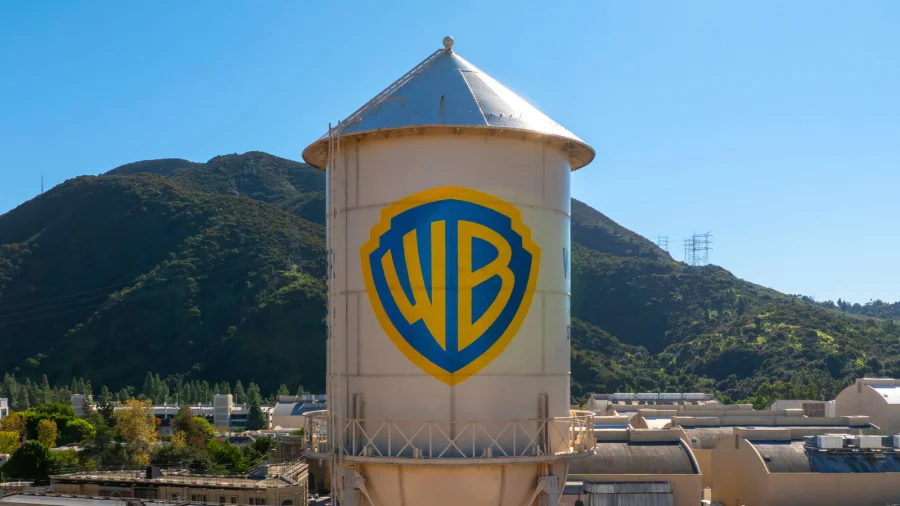
The entertainment industry is bracing for a legal showdown. A coalition of US states, led by California and New York, is reportedly preparing to file a lawsuit to block Paramount Skydance’s $110 billion acquisition of Warner Bros. The move, first reported by Reuters, signals a major escalation in state-level opposition to one of the largest media mergers in history.
Why California and New York Are Leading the Charge
California Attorney General Rob Bonta launched a probe into the deal shortly after it was announced, making clear that the state would scrutinize the merger’s impact on competition and consumers. New York has joined the effort, reflecting bipartisan concern over media consolidation. The lawsuit is expected to be filed in the coming weeks, according to sources familiar with the matter.
What’s at Stake for Consumers and the Industry
If the merger goes through, Paramount and Warner Bros. would control a massive share of film production, streaming services, and television networks. Critics argue this could lead to higher prices for consumers, fewer choices in streaming content, and reduced competition in Hollywood. The lawsuit aims to prevent what opponents call a dangerous concentration of power in the hands of a few media giants.
How the Deal Came Together
Paramount Skydance, backed by private equity, announced its $110 billion bid for Warner Bros. earlier this year. The deal would combine two of the most iconic studios in Hollywood, creating a behemoth with control over franchises like Harry Potter, DC Comics, and Mission: Impossible. The merger quickly drew scrutiny from regulators and lawmakers, with California’s attorney general launching a probe within days of the announcement.
Who Is Affected by This Legal Challenge
For everyday consumers, the lawsuit could determine how much they pay for streaming services and what movies and shows are available. For workers in the entertainment industry, the merger could mean job losses and reduced bargaining power. For investors, the legal uncertainty could affect stock prices and deal timelines. The outcome will also set a precedent for future media mergers, potentially reshaping the entire industry.
California Attorney General Rob Bonta’s Stance
Rob Bonta has been vocal about his concerns. “We are committed to protecting consumers and ensuring that our markets remain competitive,” he said in a statement following the probe’s launch. The lawsuit is expected to cite antitrust violations, arguing that the merger would harm competition in the film, television, and streaming markets. Bonta’s office has not commented on the specific allegations, but sources say the legal team is building a case around market concentration and consumer harm.
What the Lawsuit Means for the Merger’s Future
The legal challenge could delay or derail the deal entirely. If the states succeed, the merger could be blocked, forcing Paramount Skydance to abandon its acquisition or negotiate a settlement. Even if the lawsuit fails, it could impose significant costs and delays, potentially making the deal less attractive to investors. The case is likely to be closely watched by antitrust experts and media executives alike.
Confirmed Facts vs What Remains Unclear
What is confirmed: California and New York are leading a multi-state lawsuit to block the Paramount Skydance-Warner Bros. merger. The lawsuit is expected to be filed in the coming weeks. California Attorney General Rob Bonta launched a probe into the deal shortly after it was announced. What remains unclear: The exact list of states involved, the specific legal arguments, and the timeline for the court proceedings. Some reports suggest other states may join, but this has not been confirmed.
Why Paramount Skydance’s Bid Matters
Paramount Skydance’s bid is not just about size — it’s about control. The company has built a reputation for producing blockbuster franchises, and acquiring Warner Bros. would give it access to one of the most valuable libraries in entertainment. The deal’s supporters argue it would create efficiencies and allow the combined entity to compete with tech giants like Netflix and Amazon. Critics counter that it would stifle competition and reduce diversity in storytelling.
Risks and Balanced View
Supporters of the merger argue that consolidation is necessary to compete in a global market dominated by tech giants. They point to the success of Disney’s acquisition of Fox as a model for how such deals can create value. Critics, however, warn that the merger would reduce competition, lead to job losses, and concentrate too much power in the hands of a few executives. The lawsuit reflects these concerns, but it also risks creating uncertainty that could harm the industry’s growth.
The Broader Trend of Media Consolidation
This lawsuit is part of a larger pattern of state-level opposition to media mergers. In recent years, states have increasingly used antitrust laws to challenge deals they see as harmful to consumers. The Paramount-Warner Bros. case could become a landmark, testing the limits of state power in regulating media consolidation. It also highlights the growing tension between federal and state regulators, with the Trump administration’s DOJ reportedly ready to approve the deal.
What Consumers and Investors Should Watch For
For consumers, the key is to stay informed about how the lawsuit could affect streaming prices and content availability. For investors, the legal uncertainty means the deal’s timeline is unpredictable. For industry watchers, the case will be a bellwether for future media mergers. The best course of action is to monitor court filings and official statements from the attorneys general involved.
What Happens Next
The lawsuit is expected to be filed in the coming weeks. Once filed, the case will likely move to federal court, where a judge will decide whether to issue a preliminary injunction blocking the merger. The legal process could take months or even years, depending on the complexity of the arguments. In the meantime, Paramount Skydance and Warner Bros. will continue to operate as separate entities, but the uncertainty could affect their business decisions.
Our Take
This lawsuit is more than a legal challenge — it’s a statement about the future of media. As consolidation accelerates, states are stepping in where federal regulators have hesitated. Whether you see this as a necessary check on corporate power or an overreach of state authority, one thing is clear: the outcome will shape the entertainment landscape for years to come. For now, the industry waits, and the legal battle begins.
Frequently Asked Questions
Why are US states planning to sue to block the Paramount-Warner Bros. deal?
States like California and New York are concerned that the $110 billion merger would reduce competition, harm consumers, and concentrate too much power in the hands of a single media giant. They plan to file an antitrust lawsuit to block the deal.
Who is leading the lawsuit against the Paramount-Warner Bros. merger?
California Attorney General Rob Bonta and New York’s attorney general are leading the multi-state lawsuit. Other states may join, but the exact list has not been confirmed.
What could happen if the lawsuit succeeds?
If the lawsuit succeeds, the merger could be blocked entirely, forcing Paramount Skydance to abandon its acquisition of Warner Bros. Alternatively, the parties could negotiate a settlement that addresses the states’ concerns.
How will this lawsuit affect consumers?
If the merger is blocked, consumers may benefit from continued competition in streaming and film markets, potentially keeping prices lower and preserving content diversity. If the merger proceeds, critics warn of higher prices and fewer choices.