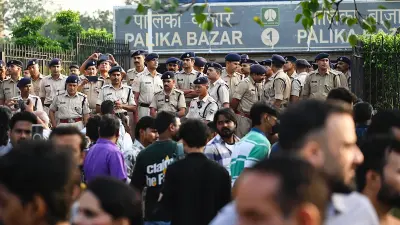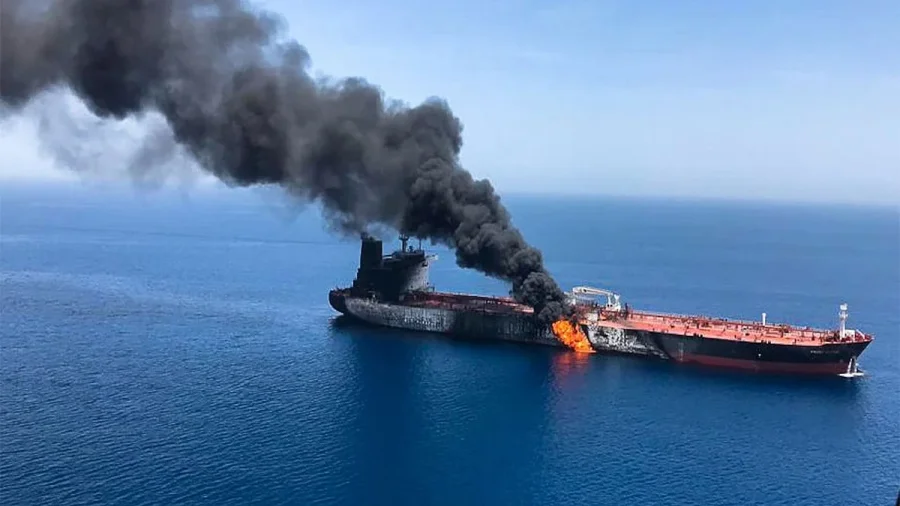
The news hit Indian homes like a shockwave — three young seafarers who set out for work on the high seas will never return. Deck cadet Aditya Sharma, engine fitter Shivanand Chaurasiya, and chief engineer Patnala Suresh were confirmed dead on Thursday after a US military strike on the oil tanker MT Settebello off the coast of Oman. For their families, the wait for news ended in grief.
What happened to the MT Settebello in the Gulf of Oman
The Palau-flagged oil tanker was carrying a crew of 28 — 24 Indian nationals, two Pakistanis, one Ukrainian, and one Russian — when it came under attack in the Gulf of Oman earlier this week. According to Indian authorities, the vessel was struck by a US military strike. Twenty-one Indian crew members were rescued, while three were initially reported missing. Their bodies have since been recovered and identified.
Why this attack matters for Indian seafarers and families
India is one of the world's largest suppliers of seafarers, with hundreds of thousands of Indian nationals working on commercial vessels worldwide. Every attack on a ship carrying Indian crew sends ripples of fear through coastal communities in Kerala, Gujarat, Maharashtra, and Andhra Pradesh — states that supply a large number of maritime workers. The deaths of three Indian sailors in a US military operation raises urgent questions about the safety of Indian nationals working in conflict zones at sea.
Timeline of the MT Settebello incident
The attack occurred in the Gulf of Oman, near the strategically vital Strait of Hormuz — a narrow waterway through which about 20% of the world's oil passes. The US military has been conducting operations in the region targeting vessels accused of transporting Iranian oil in violation of sanctions. The MT Settebello was reportedly accused of such activity. The strike was the second attack on an oil tanker in three days in the area, according to reports.
Who were the three Indian sailors killed
The deceased have been identified as deck cadet Aditya Sharma, engine fitter Shivanand Chaurasiya, and chief engineer Patnala Suresh. All three were Indian nationals working aboard the MT Settebello. Their families have been notified, and arrangements are being made to repatriate their remains. For each family, the loss is personal and devastating — a breadwinner, a son, a husband gone.
India's official response and protest to the US
Union Ports, Shipping and Waterways Minister Sarbananda Sonowal confirmed the deaths and said India has lodged a strong protest with the United States over the attack. "We condemn the loss of innocent lives. Our government is in touch with US authorities and will ensure all necessary action is taken," Sonowal said. The Ministry of External Affairs is also coordinating with US officials to secure the safety of remaining Indian crew members and to seek a full explanation for the strike.
Why the US struck the oil tanker — context and analysis
The US has been enforcing sanctions on Iranian oil exports, targeting vessels that transport Iranian crude. The MT Settebello was accused of carrying Iranian oil, leading to the US military strike. However, the presence of 24 Indian crew members on board raises serious questions about the proportionality and targeting of such operations. Analysts say the incident highlights the growing risks for commercial shipping in the Persian Gulf and the Strait of Hormuz, where geopolitical tensions between the US and Iran continue to escalate.
Confirmed facts vs what remains unclear
Confirmed: Three Indian sailors are dead. The MT Settebello was struck by a US military strike. 21 Indian crew members were rescued. India has protested. Unclear: The exact nature of the US strike — whether it was a missile, drone, or naval attack. Whether the vessel was warned before the strike. The full circumstances of how the three sailors died. Whether any US personnel were involved in the rescue operation. These details are still under investigation.
Risks and concerns for Indian seafarers in conflict zones
The incident underscores the vulnerability of Indian seafarers working on vessels that may be targeted in geopolitical conflicts. Maritime unions and safety advocates have long warned that Indian crew members are often caught in the crossfire of US-Iran tensions. The lack of clear protocols for protecting civilian seafarers in such operations is a growing concern. Critics argue that the US should ensure that any military action in the region does not endanger civilian lives, especially those of foreign nationals.
Wider pattern of attacks in the Strait of Hormuz
This is not an isolated incident. The Strait of Hormuz has seen multiple attacks on oil tankers in recent years, including the 2019 attacks on tankers near Fujairah and the 2021 drone strike on the MT Mercer Street. The region remains a flashpoint for US-Iran tensions, with commercial shipping often bearing the brunt. The MT Settebello strike was the second such attack in three days, indicating an escalation in US military operations targeting Iranian oil shipments.
What Indian seafarers and their families should know
For Indian nationals working on commercial vessels in the Persian Gulf and surrounding waters, the immediate advice is to stay in close contact with shipping companies and Indian consulates. Families should ensure that their loved ones' details are registered with the Ministry of External Affairs' online portal for overseas workers. In case of emergencies, the Indian embassy in Oman and the US should be contacted. Seafarers' unions are also urging members to demand clear safety assurances from employers before accepting assignments in high-risk zones.
What happens next — diplomatic and safety implications
India is expected to raise the issue at the highest diplomatic levels with the US. The Ministry of External Affairs will likely demand a full investigation and compensation for the families of the deceased. The incident could also lead to renewed calls for India to strengthen its maritime safety protocols and to seek better protection for its seafarers in international waters. The US has not yet issued a detailed public statement on the attack, but diplomatic channels are active.
Our Take
The deaths of three Indian sailors in a US military strike off Oman is a tragic reminder that geopolitical conflicts have human costs — and those costs are often borne by ordinary workers far from the halls of power. While the US has the right to enforce sanctions, the loss of innocent lives demands accountability. India must ensure that its citizens are not collateral damage in someone else's war. The families of Aditya Sharma, Shivanand Chaurasiya, and Patnala Suresh deserve answers, justice, and support. This story is not just about geopolitics — it is about three families who will never be the same.
Frequently Asked Questions
How many Indian sailors were killed in the US strike off Oman?
Three Indian sailors were confirmed dead: deck cadet Aditya Sharma, engine fitter Shivanand Chaurasiya, and chief engineer Patnala Suresh.
What was the name of the oil tanker attacked?
The oil tanker was the MT Settebello, a Palau-flagged vessel carrying 28 crew members, including 24 Indians.
Why did the US attack the oil tanker?
The US military struck the MT Settebello because it was accused of transporting Iranian oil in violation of US sanctions.
What has India's response been to the attack?
India has lodged a strong protest with the US. Union Minister Sarbananda Sonowal confirmed the deaths and said the government is coordinating with US authorities.