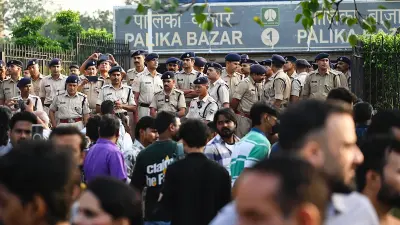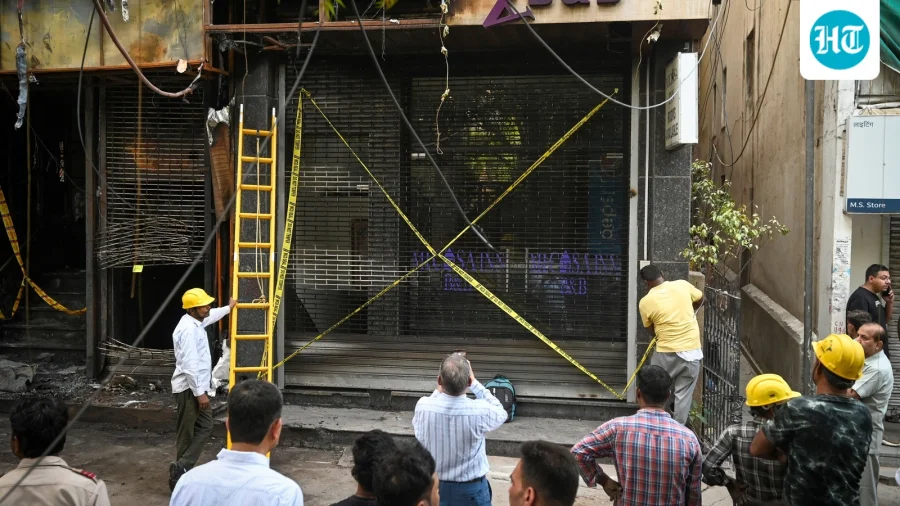
A cook needed a cup of tea. He switched on an oil fryer, stepped away to brew his drink, and forgot the fryer was still running. That single moment of distraction, Delhi Police now say, set off a chain of events that ended with 21 people dead at a hotel in Malviya Nagar.
The cook’s account: A fryer, a tea break, and a forgotten flame
Keshav Negi, the cook arrested in connection with the fire, told investigators he had turned on a deep-fryer containing oil in the kitchen of Flourish Stay, a budget hotel in south Delhi’s Malviya Nagar. He then went to prepare tea for himself. While drinking the tea, he lost track of time and forgot the fryer was still heating. By the time he remembered, the oil had overheated and ignited, police sources said.
Why the fire turned deadly: A 30-minute delay in raising the alarm
What transformed a kitchen mishap into a mass casualty event, according to police, was the delay in alerting emergency services. Investigators believe nearly 30 minutes passed between the fire starting and someone calling the fire brigade. By then, flames had spread through the narrow corridors and stairwells of the hotel, trapping guests who were asleep or unaware.
How the tragedy unfolded at Flourish Stay hotel
The fire broke out in the early hours, when most of the 21 victims were inside their rooms. The hotel, a multi-storey building in a congested residential-commercial area, lacked adequate fire exits and sprinkler systems, preliminary reports suggest. Thick smoke from the burning oil and furnishings filled the floors, making escape nearly impossible for those on upper levels.
Who were the victims and how are families coping
The dead included hotel staff, daily-wage workers, and travellers who had checked in for work or family visits. Many were from low-income backgrounds, staying at the budget hotel because they could not afford pricier options. Families have been left devastated, with several bodies yet to be formally identified due to severe burns. Local residents and civil society groups have begun collecting funds for the affected families.
Delhi Police’s investigation and the cook’s arrest
Police arrested Keshav Negi on charges of culpable homicide not amounting to murder and negligence. During questioning, Negi reportedly admitted to leaving the fryer unattended. “He said he was making tea and simply forgot,” a police officer told reporters. Investigators are now examining whether the hotel management also bears responsibility for failing to install fire alarms, extinguishers, or emergency lighting.
What the sequence of lapses reveals about fire safety in Delhi’s budget hotels
The Malviya Nagar fire is not an isolated incident. Similar tragedies have occurred in Delhi and other Indian cities where budget hotels operate in buildings not designed for hospitality use — often lacking fire NOCs, proper wiring, and trained staff. The case highlights how a single human error, combined with systemic safety failures, can lead to catastrophic loss of life.
Confirmed facts vs what remains unclear
Confirmed: The cook switched on an oil fryer and left it unattended to make tea. The fryer caused the fire. Police have arrested the cook. 21 people died. A 30-minute delay in reporting the fire occurred.
Unclear: Whether the hotel had a valid fire safety certificate. Whether the management had instructed staff on emergency protocols. Whether any fire alarms or sprinklers were present and functional. Whether the delay in calling the fire brigade was due to panic or a deliberate attempt to hide the fire.
Risks and balanced view: Who else may be accountable
While the cook’s negligence is at the centre of the police case, safety experts argue that the hotel management and building owner share significant responsibility. Budget hotels in Delhi often operate in buildings originally designed as residential flats, with no fire-rated doors, no separate staircases, and no fire extinguishers on each floor. Critics say the tragedy exposes a regulatory failure where inspections are rare and penalties are weak. The cook, a low-wage employee, may become the sole scapegoat while systemic issues remain unaddressed.
Wider pattern: Recurring fire tragedies in Indian cities
Delhi has witnessed several deadly fires in commercial and residential buildings over the past decade — from the 2019 Anaj Mandi fire that killed 43 people to the 2022 Mundka fire that claimed 27 lives. In nearly every case, investigations revealed a combination of human error, lack of fire safety equipment, and delayed emergency response. The Malviya Nagar fire fits this grim pattern.
What guests and travellers should check before checking in
For anyone staying at a budget hotel, safety experts recommend checking for visible fire extinguishers, emergency exit signs, and functional smoke alarms on each floor. If a hotel appears to have no fire safety equipment, guests should consider reporting it to local authorities or choosing another property. In the wake of this tragedy, Delhi’s municipal corporations have announced surprise inspections of all budget hotels in the city.
What happens next: Legal proceedings and policy response
The cook will face court proceedings in the coming weeks. Police are also likely to summon the hotel owner and manager for questioning. The Delhi government has ordered a detailed inquiry into fire safety compliance across all hotels in the city. Activists are demanding stricter enforcement of fire norms and harsher penalties for violations.
Our Take
The Malviya Nagar fire is a tragedy born of a mundane act — a cook making tea. But it is also a tragedy born of a system that allows budget hotels to operate without basic fire safety. While the cook’s distraction was the immediate trigger, the real failure lies in a regulatory environment that prioritises profit over human life. Until inspections become routine and penalties become severe, such fires will keep happening.
Frequently Asked Questions
What caused the Malviya Nagar hotel fire?
According to Delhi Police, the fire started when a cook at Flourish Stay hotel switched on an oil fryer and left it unattended while he made tea. The overheated oil ignited, sparking the blaze.
How many people died in the Malviya Nagar fire?
21 people died in the fire at the Flourish Stay hotel in Delhi’s Malviya Nagar area.
Has anyone been arrested for the Malviya Nagar fire?
Yes, Delhi Police arrested the hotel’s cook, Keshav Negi, on charges of culpable homicide not amounting to murder and negligence.
Why did the fire become so deadly?
Police say there was a 30-minute delay in alerting the fire brigade after the fire started. The hotel also lacked adequate fire safety equipment and emergency exits, making escape difficult for guests.