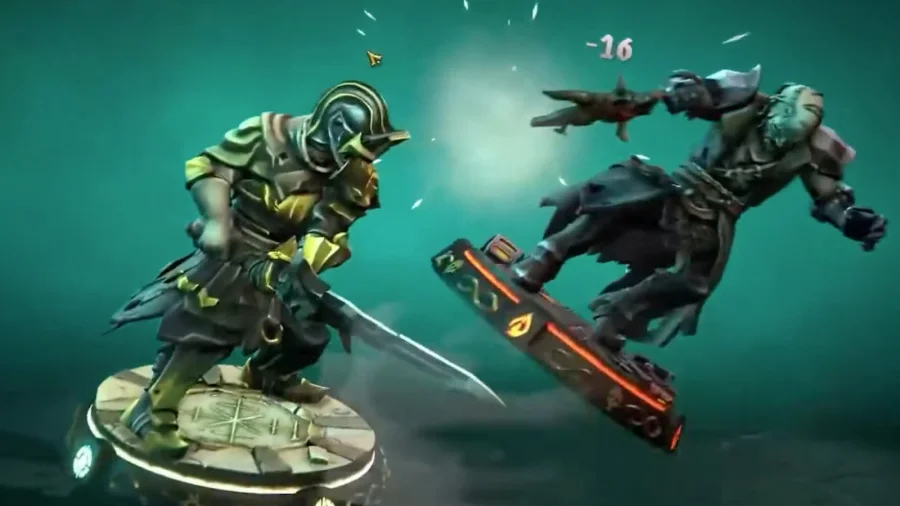
The digital battlefield of Champions Tactics: Grimoria Chronicles is going dark. Ubisoft, one of the world's largest game publishers, is shutting down its NFT-powered tactical RPG — a title that arrived years after the blockchain gaming craze had already fizzled out. For players who invested time and money into the game's NFT ecosystem, the news lands like a final boss defeat.
A Blockchain Battle That Came Too Late
Champions Tactics: Grimoria Chronicles launched in late 2024, positioning itself as Ubisoft's bold entry into Web3 gaming. The game let players collect, trade, and battle with NFT-based champions, each with unique traits and abilities. But by the time it launched, the NFT market had already cratered, and mainstream gamers had largely rejected blockchain mechanics.
The game's shutdown is not just a single title's failure — it reflects a broader reckoning for publishers who chased the crypto trend. Ubisoft's earlier NFT experiments, including cosmetic items in Ghost Recon Breakpoint, were met with fierce backlash from its own community. Champions Tactics was supposed to be a more serious attempt, but the timing was fatal.
Why the NFT Craze Died Before This Game Even Launched
The NFT gaming boom peaked in 2021 and early 2022, when projects like Axie Infinity and Bored Ape Yacht Club dominated headlines. Investors poured billions into virtual land, digital pets, and play-to-earn economies. But the bubble burst spectacularly. Crypto prices collapsed, regulatory scrutiny intensified, and gamers made it clear they did not want to pay to play.
By 2024, when Champions Tactics finally arrived, the market had moved on. The game was essentially a time capsule from a bygone era — a product built for a hype cycle that no longer existed. Ubisoft's decision to launch it anyway now looks like a costly miscalculation.
What the Shutdown Means for Players Who Bought NFTs
For the players who did engage with Champions Tactics, the shutdown raises uncomfortable questions. NFT purchases were marketed as true digital ownership — assets that players could keep, trade, or sell even if the game shut down. In practice, the value of those assets is tied entirely to the game's ecosystem. Once the servers go offline, the champions become worthless digital artifacts.
This is the core contradiction of NFT gaming: ownership without utility is meaningless. Players who bought into the promise of a persistent digital economy are now left holding assets with no game to play and no market to sell them in.
Ubisoft's Silence and the Corporate Pivot
Ubisoft has not yet released a detailed statement explaining the shutdown. The company has been under significant financial pressure, with recent game launches underperforming and ongoing restructuring efforts. The quiet discontinuation of Champions Tactics suggests the company is cutting losses and refocusing on its core AAA portfolio.
Industry analysts believe Ubisoft's Web3 ambitions are effectively over, at least for now. The company is likely to double down on established franchises like Assassin's Creed and Far Cry, where it has a proven track record and a loyal fanbase.
The Bigger Picture: Blockchain Gaming's Broken Promise
The shutdown of Champions Tactics is another nail in the coffin for blockchain gaming's mainstream ambitions. The technology promised to revolutionize player ownership, create new economic models, and empower gamers. Instead, it delivered clunky experiences, speculative markets, and widespread skepticism.
Even major players like Square Enix and Sega have pulled back from their blockchain initiatives. The pattern is clear: gamers do not want to be treated as investors, and they do not want paywalls wrapped in buzzwords. The industry is learning that a good game matters more than the technology underneath it.
Confirmed Facts vs What Remains Unclear
What is confirmed: Ubisoft is shutting down Champions Tactics: Grimoria Chronicles. The game's servers will be taken offline, and the NFT ecosystem will become inaccessible.
What remains unclear: The exact timeline for the shutdown, whether players will receive any compensation, and whether Ubisoft will attempt another Web3 project in the future. The company has not provided a detailed public explanation.
Ubisoft's Moat: Why the Company Still Matters
Despite this failure, Ubisoft remains a major force in gaming. Its moat lies in its iconic franchises, massive development teams, and global distribution network. Assassin's Creed alone has sold over 200 million copies, and the company's live-service titles generate steady revenue. The NFT experiment was a side quest, not the main campaign.
Risks and the Balanced View
Supporters of blockchain gaming argue that the technology is still young and that early failures are part of the learning curve. They point to projects that are building more sustainable models, focusing on gameplay rather than speculation.
Critics, however, see the shutdown as validation of their skepticism. They argue that NFT mechanics add friction without adding fun, and that the entire concept was a solution in search of a problem. The market has spoken, and it is not buying what Web3 is selling.
The Pattern: Publishers Retreating from Crypto
Ubisoft is not alone in this retreat. Across the industry, publishers are quietly abandoning blockchain projects that once seemed inevitable. The pattern is consistent: announce with fanfare, launch to indifference, and shut down with little notice. Champions Tactics is just the latest example of a trend that never found its audience.
What Players and Investors Should Do Now
For players who own Champions Tactics NFTs, the practical advice is simple: do not buy more, and do not expect meaningful value from existing assets. For investors watching the space, the lesson is equally clear — blockchain gaming remains a high-risk bet with no proven mainstream model.
For the broader gaming community, the takeaway is more positive. The industry is returning to what matters: compelling gameplay, engaging stories, and fair monetization. The NFT detour is ending, and the focus is shifting back to the players.
Future Outlook: What Happens Next
Ubisoft will likely announce a formal shutdown date in the coming weeks. The company may offer limited compensation, but players should not expect significant refunds. In the longer term, Ubisoft will focus on its core franchises and attempt to rebuild trust with its community.
The blockchain gaming experiment is not entirely dead, but it is on life support. Future attempts will need to prove their value to gamers first, not to investors. Until then, the shutdown of Champions Tactics will stand as a cautionary tale.
Our Take
The death of Champions Tactics was predictable from the moment it was announced. Ubisoft built a game for a market that no longer existed, and the market responded with indifference. The real tragedy is not the game itself, but the wasted potential — the time, money, and creative energy that could have gone into something players actually wanted.
This story matters because it marks the end of an era. The NFT gaming craze promised to change everything, and it changed nothing. The industry is better off for having learned this lesson, even if it took a costly failure to do so.
Frequently Asked Questions
Is Ubisoft shutting down Champions Tactics: Grimoria Chronicles?
Yes, Ubisoft is shutting down Champions Tactics: Grimoria Chronicles, its NFT-based tactical RPG. The game's servers will be taken offline, making the game and its NFT assets inaccessible.
When was Champions Tactics: Grimoria Chronicles released?
The game launched in late 2024, roughly two years after the peak of the NFT gaming craze. Its late arrival is widely seen as a key factor in its failure to attract a player base.
What happens to my NFTs from Champions Tactics?
Once the game shuts down, the NFTs lose their utility and effectively become worthless. The assets are tied to the game's ecosystem, and there is no indication that Ubisoft will provide compensation.
Why did Ubisoft's NFT game fail?
The game failed primarily because it launched too late, after the NFT market had collapsed. It also faced resistance from gamers who rejected blockchain mechanics, and it failed to offer a compelling reason to participate in its NFT economy.