The spectre of a direct US-Iran military confrontation has sent shockwaves through global energy markets after President Donald Trump issued a stark warning, threatening to strike Iranian power plants and bridges as early as ‘next week’. The warning, described by officials as a ‘knock out’ blow, comes as US military bases in the Gulf region have reportedly been targeted, dramatically escalating a crisis that has been simmering for months.
What Trump said: A ‘knock out’ threat to Iran’s infrastructure
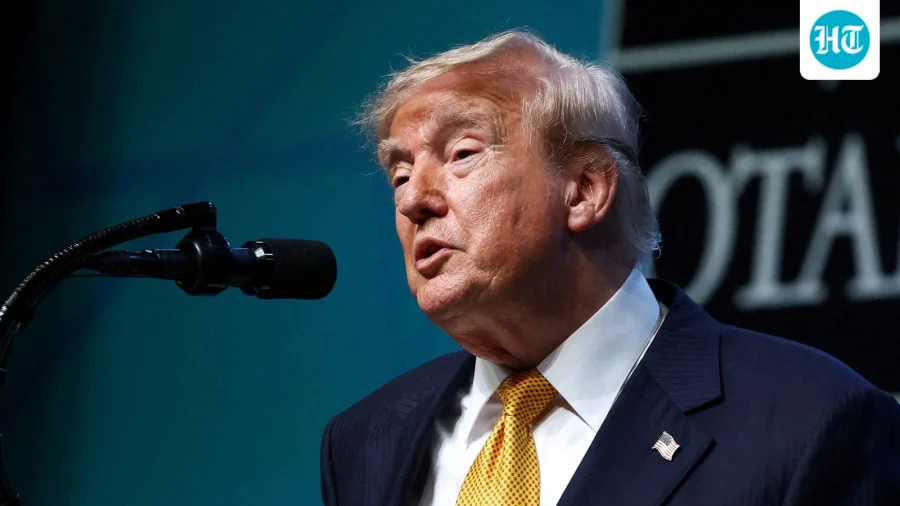
President Trump’s warning, delivered in a statement, signals a significant departure from previous diplomatic posturing. He explicitly threatened to hit Iran’s power plants and bridges, infrastructure critical to the country’s civilian and military operations. The phrase ‘next week’ introduces a clear, imminent deadline, raising the stakes for Tehran and the international community.
Why oil prices are surging: The Gulf energy chokepoint
The immediate consequence has been a sharp spike in global oil prices. The Gulf region is a vital artery for the world’s energy supply, and any disruption—whether from direct strikes, retaliatory attacks, or the closure of the Strait of Hormuz—threatens to send prices soaring. For Indian consumers, already grappling with fuel costs, this escalation could mean higher petrol and diesel prices in the coming weeks. The fear is not just of a single strike, but of a prolonged conflict that destabilises the entire region.
Timeline of escalation: From tensions to direct threats
The current crisis has been building for weeks. Tensions escalated after a series of incidents involving US and Iranian forces in the Gulf. The reported targeting of US bases marks a new, dangerous phase. Trump’s ‘knock out’ warning appears to be a direct response to these attacks, signalling a shift from deterrence to pre-emptive action. The exact nature of the attacks on US bases remains under investigation, with no official confirmation of casualties or damage.
Human impact: Who is affected by this conflict?
Beyond the immediate military and political players, the human cost is immense. Civilians in Iran face the prospect of power outages and destroyed infrastructure. Across the Gulf, millions of expatriate workers, including a large Indian diaspora, are caught in the crossfire. Global energy markets affect every household, from the price of fuel to the cost of goods. The threat of a wider war also raises the spectre of regional instability, affecting travel, trade, and investment.
Official response and international reaction
Iranian officials have not yet issued a formal response to Trump’s specific threat, but state media has condemned the US posture as ‘warmongering’. International bodies, including the United Nations, have called for restraint. Key allies, including European nations, have urged both sides to de-escalate. The lack of a unified international response highlights the deep divisions over how to handle the Iran situation.
Analysis: What does ‘knock out’ mean in military terms?
The phrase ‘knock out’ suggests a strategy aimed at crippling Iran’s ability to retaliate or sustain military operations. Targeting power plants and bridges is a classic tactic to degrade an adversary’s infrastructure, disrupting communications, logistics, and civilian life. However, such strikes also risk massive civilian casualties and could galvanise Iranian public opinion against the US. Military analysts warn that a ‘knock out’ blow is rarely decisive and often leads to prolonged guerrilla-style resistance.
Confirmed facts vs what remains unclear
Confirmed: Trump has publicly threatened to strike Iranian power plants and bridges ‘next week’. Oil prices have risen. US bases in the Gulf have been targeted, according to reports. Unclear: The exact nature and scale of the attacks on US bases. Whether Iran will retaliate directly or through proxies. The precise timing and scope of any US military action. The full impact on global oil supply chains.
Risks and balanced view: The dangers of escalation
While Trump’s warning projects strength, critics warn it could backfire. A full-scale US strike on Iran could trigger a wider regional war, drawing in proxies in Iraq, Syria, Yemen, and Lebanon. It could also lead to a blockade of the Strait of Hormuz, through which about 20% of the world’s oil passes. On the other hand, supporters argue that a decisive show of force is necessary to deter further attacks on US personnel and interests. The risk of miscalculation is extremely high.
Wider trend: A pattern of US-Iran brinkmanship
This is not the first time the US and Iran have stood on the brink of war. The 2019 drone strike on Iranian general Qasem Soleimani, the 2020 retaliatory missile attacks on US bases, and the ongoing shadow war of cyberattacks and proxy conflicts form a pattern. Trump’s current warning represents a return to maximum pressure tactics, but with a military rather than economic focus. The trend suggests that diplomatic solutions have been sidelined in favour of confrontation.
Practical guidance: What should investors and citizens do?
For investors, the immediate advice is to monitor oil and energy stocks closely, as volatility is expected to continue. Diversifying portfolios away from sectors directly exposed to Middle East risk is prudent. For citizens, particularly in India, staying informed about fuel price changes and potential supply disruptions is key. Avoid panic buying. For those with family or business interests in the Gulf, reviewing emergency plans and staying in touch with embassies is recommended.
Future outlook: What could happen next?
The next week is critical. If Trump follows through on his threat, the world could see a rapid escalation. Iran may retaliate by targeting US allies in the region or by disrupting oil tanker traffic. Diplomatic backchannels, possibly through Oman or Switzerland, may attempt to de-escalate. The most likely scenario is a period of heightened tension followed by a negotiated stand-down, but the risk of an accidental war remains real.
Our Take
This is a moment of extreme danger, not just for the US and Iran, but for the entire global economy. Trump’s ‘knock out’ language is designed to project strength, but history shows that such threats often lead to unintended consequences. The human and economic costs of a full-scale war in the Gulf would be catastrophic. The international community must urgently step in to prevent a conflict that no one can truly win. For now, the world holds its breath.
Frequently Asked Questions
What did Trump say about Iran?
Trump warned of striking Iranian power plants and bridges ‘next week’, describing it as a ‘knock out’ blow.
Why are oil prices rising?
Oil prices are climbing due to fears that a US-Iran conflict will disrupt global energy supplies from the Gulf region.
Have US bases been attacked?
Reports indicate US bases in the Gulf have been targeted, but details of the attacks remain unconfirmed.
What should Indian citizens do?
Monitor fuel prices, avoid panic buying, and stay informed through official channels. Those in the Gulf should contact their embassy.