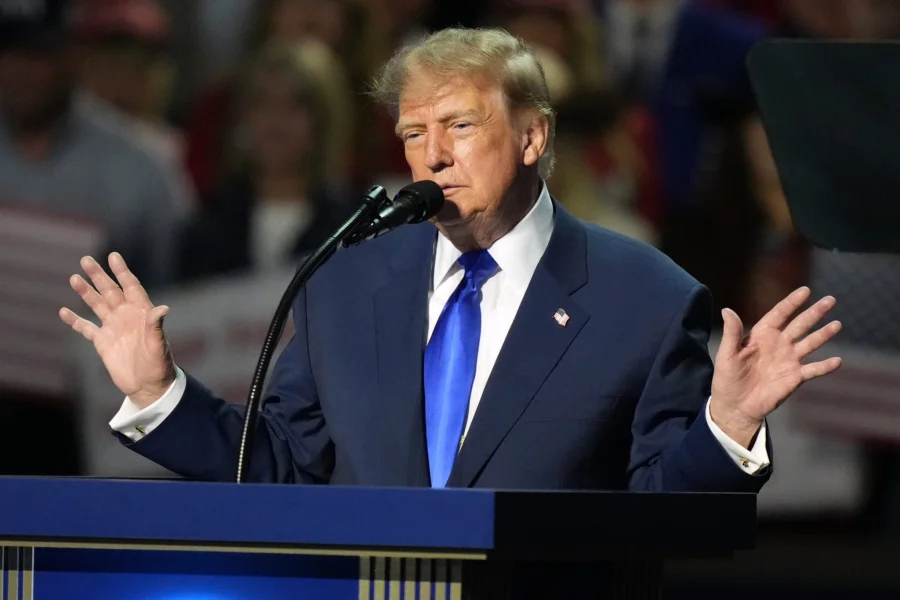
In a move that has stunned economists and energized his base, President Donald Trump has promised a $5,000 payment to every American adult—but only if Republicans win the midterm elections. The pledge, made during a GOP convention in Dallas, is being called the "Trump Dividend." It's a high-stakes bet that blends economic policy with bare-knuckle politics, leaving many to wonder: is this a genuine plan or a campaign stunt?
A $1 Trillion Promise with a Political Price Tag
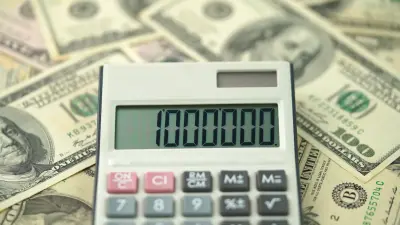
The numbers are staggering. Sending $5,000 to every adult in the U.S. would cost upwards of $1 trillion, according to independent estimates. That's on top of the nation's already ballooning $1.8 trillion annual budget deficit. Trump framed it as a "dividend" from America's success, similar to a company paying its shareholders. But unlike a corporate payout, this money would come from taxpayer funds—and Congress would have to approve it.
Why This Promise Resonates—and Worries Economists
For many households struggling with inflation and rising costs, $5,000 is a lifeline. It could cover rent, groceries, or debt. But economists warn that injecting that much cash into the economy could reignite inflation, which has only recently begun to cool. The promise also raises a thorny question: should election outcomes determine who gets a check? Critics argue it's a dangerous precedent, effectively bribing voters with their own money.
From Dallas Rally to National Debate: How We Got Here
Trump unveiled the idea during the GOP's midterm convention, a gathering aimed at rallying support ahead of November. With Republican fortunes sagging in some polls, the pledge appears designed to energize voters. He likened it to a corporate distribution, citing "our tremendous strength and success." But the proposal lacks legislative detail, and no bill has been introduced. It remains a promise on a podium, not a policy on paper.
Who Wins, Who Pays? The Human Impact
If enacted, the dividend would put real money in people's pockets—a powerful incentive for low- and middle-income families. Yet the same families could face higher prices if inflation spikes. And if Congress balks, the promise evaporates, leaving voters feeling used. The stakes are personal: a single parent in Ohio, a retiree in Florida, a gig worker in Texas—all would be affected, for better or worse.
Congress, the Deficit, and the Art of the Possible
Even if Republicans sweep the midterms, the dividend is far from guaranteed. It would need to pass the House and Senate, where fiscal hawks in both parties have historically opposed deficit-financed giveaways. The White House has not provided a funding mechanism. Without one, the proposal is more a talking point than a plan. As one budget analyst put it, "You can't just will a trillion dollars into existence."
Beyond the Headlines: What This Says About Economic Populism
Trump's dividend is the latest example of a growing trend: using direct cash payments as a political tool. From stimulus checks during the pandemic to universal basic income pilots, the idea of government as a direct payer is gaining traction. But tying it to an election outcome is new—and controversial. It blurs the line between governance and campaigning, raising questions about the integrity of the democratic process.
Confirmed Facts vs. Open Questions
Confirmed: Trump made the promise at the Dallas convention. The cost would exceed $1 trillion. Congressional approval is required. Unclear: How it would be funded. Whether it has GOP leadership's backing. If it's legally permissible to condition a payment on an election result. These uncertainties leave room for speculation, but the core promise is on the record.
The Trump Brand: Why This Fits His Playbook
Trump has long positioned himself as a dealmaker who delivers for ordinary Americans. The dividend fits that narrative: a bold, simple idea that cuts through political noise. It also reinforces his outsider image, promising to bypass Washington gridlock. Whether it's feasible is almost secondary; the goal is to dominate the conversation and give voters a tangible reason to turn out.
Risks and the Other Side of the Coin
Not everyone is cheering. Fiscal conservatives call it reckless. Economists warn of inflation. Legal scholars question the ethics of linking cash to votes. Even some Republicans privately worry it sets an impossible expectation. If the GOP wins and the dividend doesn't materialize, backlash could be fierce. And if it does pass, the economic consequences could be severe. The promise is a gamble with high stakes.
A Sign of Things to Come? Cash Payments as Campaign Currency
This isn't the first time direct payments have been used to woo voters, but it's the most explicit link to an election outcome. If it works, expect more of the same in future cycles. If it backfires, it could become a cautionary tale. Either way, it marks a shift in how politicians appeal to voters: not just with policies, but with promises of cash.
What Voters Should Keep in Mind
Before getting excited about a $5,000 check, consider the fine print. It requires a GOP win, congressional approval, and a funding source that doesn't exist yet. It could also fuel inflation, eroding the very value of the money. Voters should weigh the promise against these realities—and ask candidates for specifics, not slogans.
What Happens Next?
With the midterms months away, expect this promise to dominate headlines. Democrats will likely attack it as a bribe; Republicans will either embrace or distance themselves. If the GOP wins, the pressure to deliver will be immense. If they lose, the idea may fade. But the conversation it sparked—about cash, votes, and economic fairness—is here to stay.
Our Take
Trump's $5,000 dividend is a masterclass in political messaging: simple, bold, and impossible to ignore. But it's also a fiscal fantasy unless paired with a credible plan. It highlights a deeper truth: in modern politics, the line between policy and persuasion is increasingly blurred. Voters deserve more than a promise—they deserve a roadmap. Until then, this remains a headline, not a handout.
Frequently Asked Questions
Is the $5,000 Trump Dividend real?
It's a campaign promise, not a law. It would require congressional approval and a funding source, neither of which is in place.
Who would qualify for the payment?
Trump said every American adult, but details on eligibility are not yet defined.
Could this cause inflation?
Economists warn that injecting over $1 trillion into the economy could reignite inflation, especially if not offset by spending cuts or tax increases.
What are the chances it passes?
Even with a GOP sweep, fiscal conservatives may oppose it. The odds are uncertain at best.