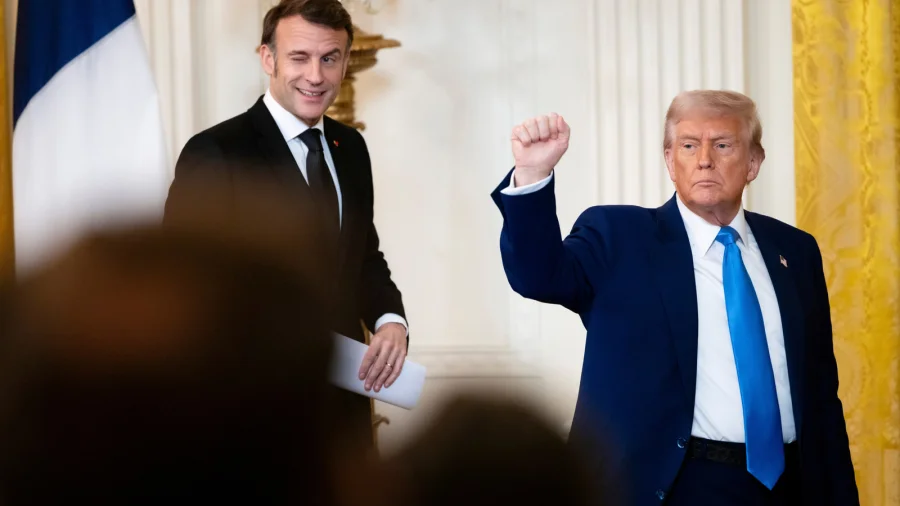
Just days before world leaders gather in France for the G7 summit, President Donald Trump has once again turned the screws on Paris, threatening to slap a 100% tariff on French wine and champagne unless the country scraps its digital services tax. The move, reported by Barron’s and other outlets, is the latest escalation in a trade dispute that has simmered for years, pitting American tech giants against European tax policies.
Why Trump is targeting French wine over a tech tax
The core of the dispute is France’s digital services tax (DST), a 3% levy on revenue generated by large tech companies like Google, Apple, Facebook, and Amazon from digital services in France. The US argues the tax unfairly targets American firms, while France and other European nations say it’s a necessary step to ensure tech giants pay their fair share. Trump’s threat to hit French wine — a symbolic and economically significant French export — is a direct pressure tactic aimed at forcing President Macron to back down before the G7 talks.
What a 100% tariff means for French wine in America
If implemented, a 100% tariff would effectively double the cost of French wine and champagne for US importers. That cost would almost certainly be passed on to consumers, making a $20 bottle of Bordeaux cost $40 or more. For premium champagne houses like Moët & Chandon or Veuve Clicquot, the impact could be severe, as the US is the single largest export market for French wine. Smaller producers and family-run vineyards would be hit hardest, potentially losing access to a crucial market overnight.
The G7 summit: A high-stakes backdrop for trade tensions
The threat comes just ahead of the G7 summit, where Trump is expected to meet Macron and other leaders. The timing is no coincidence. By raising the tariff threat now, Trump is setting the agenda, forcing the digital tax issue to the top of the discussion. The G7 has historically been a forum for resolving such disputes, but Trump’s aggressive posture suggests a confrontational approach rather than a diplomatic one.
Who stands to lose the most from a wine tariff war
French wine producers, especially those in Bordeaux, Burgundy, and Champagne, are the most exposed. The US market accounts for roughly 15-20% of French wine exports by value. A 100% tariff would make French wine uncompetitive against American, Italian, Spanish, and Australian alternatives. US consumers, restaurants, and wine retailers would also suffer, facing higher prices and reduced choice. Meanwhile, American tech giants like Google and Apple would benefit from the removal of the DST, but at the cost of a broader trade conflict with Europe.
Official response and what the White House has said
As of now, the White House has not issued a formal statement confirming the tariff threat. However, multiple reports — including from Barron’s and The Standard — cite sources familiar with the president’s thinking. Trump has a long history of using tariff threats as a negotiating tool, often following through if demands are not met. The French government has not yet publicly responded to the latest threat, but Paris has previously defended the DST as a sovereign tax policy.
Why this dispute is about more than wine
At its heart, the conflict is about who gets to tax the digital economy. France’s DST is part of a broader European push to tax tech giants based on where they generate revenue, not just where they are headquartered. The US sees this as discriminatory and has threatened retaliatory tariffs on a range of French goods, including wine, cheese, and luxury products. The outcome of this standoff could set a precedent for how other countries — from the UK to India — approach digital taxation.
Confirmed facts vs what remains unclear
Confirmed: Trump has threatened a 100% tariff on French wine and champagne over France’s digital services tax. The threat has been reported by multiple credible outlets. The G7 summit is imminent. Unclear: Whether the tariff will actually be imposed, what the exact timeline is, and how France will respond. It is also unclear if other EU nations will rally behind France or seek separate deals with Washington.
France’s digital tax: A strategic move with global implications
France’s DST, introduced in 2019, targets companies with global revenues over €750 million and digital revenues over €25 million in France. It was designed to capture tax revenue from tech giants that often pay minimal taxes in Europe by routing profits through low-tax countries like Ireland. The US has long opposed the tax, arguing it violates international tax agreements and unfairly targets American companies. France, however, sees it as a matter of tax justice and sovereignty.
Risks and balanced view: The cost of a trade war
While Trump’s tariff threat may force France to negotiate, it also carries significant risks. A full-blown trade war between the US and EU could hurt both economies, disrupt global supply chains, and damage diplomatic relations. European leaders have already warned of retaliatory tariffs on US goods like bourbon, motorcycles, and agricultural products. Critics argue that Trump’s approach undermines multilateral trade rules and could isolate the US at the G7. Supporters say it’s a necessary tactic to protect American businesses from unfair foreign taxes.
Wider trend: The global battle over taxing tech giants
The US-France dispute is part of a larger global movement to tax digital companies. The OECD has been working on a multilateral framework for years, but progress has been slow. Countries like India, the UK, and Canada have introduced their own digital services taxes, while the US has threatened retaliatory tariffs against each. The outcome of the US-France standoff could influence how other nations proceed, either encouraging more unilateral taxes or pushing for a global deal.
What wine lovers and investors should watch for
For consumers, the immediate impact is uncertainty. If the tariff is imposed, prices on French wine could rise sharply within weeks. Importers may rush to stock up before any tariff takes effect, creating a short-term buying frenzy. For investors, companies with heavy exposure to French wine imports — like major distributors and luxury goods groups — could see their margins squeezed. Diversifying into non-French wine stocks or US-based producers might be a prudent move.
Future outlook: What happens next at the G7 and beyond
The G7 summit will be the first major test. Trump is expected to raise the digital tax issue directly with Macron, and the outcome could determine whether the tariff threat becomes reality. If France agrees to suspend or modify the DST, the tariff may be avoided. If not, the US could move forward with the 100% tariff, triggering a new phase in the transatlantic trade war. A broader EU-US trade deal remains unlikely in the short term, given the deep divisions over digital taxation and other issues.
Our Take
Trump’s threat is classic Trump: high-stakes, symbolic, and designed to force a negotiation. Targeting French wine — a product deeply tied to French identity and economy — is a calculated move that puts maximum pressure on Macron. But it also risks alienating US allies at a time when unity is needed on issues like China, climate, and global security. The digital tax dispute is legitimate, but using tariffs as a blunt instrument could backfire, hurting American consumers and businesses while doing little to resolve the underlying tax fairness question. The G7 summit will reveal whether diplomacy or confrontation wins the day.
Frequently Asked Questions
Why is Trump threatening a 100% tariff on French wine?
Trump is threatening the tariff to pressure France into repealing its digital services tax (DST), which the US says unfairly targets American tech companies like Google and Apple.
What is France’s digital services tax?
France’s DST is a 3% tax on revenue generated by large tech companies from digital services in France. It applies to companies with global revenues over €750 million and digital revenues over €25 million in France.
How would a 100% tariff affect French wine prices in the US?
A 100% tariff would double the cost of French wine for US importers, leading to significantly higher prices for consumers. A $20 bottle could cost $40 or more.
Could this lead to a broader trade war between the US and EU?
Yes. If the US imposes the tariff, the EU has warned of retaliatory tariffs on US goods like bourbon, motorcycles, and agricultural products, potentially escalating into a full trade war.