The silence in municipal council chambers across West Bengal is becoming deafening. In a move that has sent tremors through the state's political landscape, at least 115 councillors from the ruling Trinamool Congress (TMC) have resigned en masse. This isn't just a routine political shuffle; it's a raw, public display of internal bleeding that has forced party supremo Mamata Banerjee to call an emergency meeting. The question on everyone's mind is no longer if there is a crisis, but how deep it truly runs.
What Triggered the Mass Exodus of TMC Councillors?
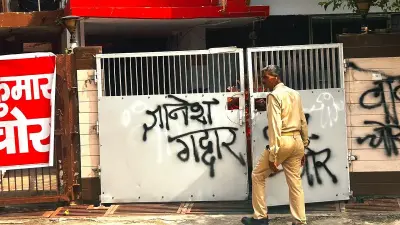
The resignations, which have hit municipalities across the state, are not happening in a vacuum. According to reports, they are the culmination of a period of intense pressure on local TMC leaders. Party chief Mamata Banerjee, in a meeting with councillors from the Dum Dum Lok Sabha organisational district, pointed to a pattern of what she described as "arbitrary arrests, intimidation, and harassment" of party workers. This wave of resignations is being seen as a direct consequence of this perceived crackdown, which has left many local leaders feeling vulnerable and abandoned.
Why This Matters Right Now
This is not a minor internal squabble. The resignation of over a hundred elected local representatives is a direct blow to the TMC's organisational backbone. These councillors are the party's feet on the ground, the link between the government and the people. Their mass exit signals a profound loss of morale and trust at the grassroots level. For the opposition, it's a gift. For the TMC, it's a five-alarm fire that threatens to destabilise the party's hold on local governance just as the political climate in the state grows more charged. The stability of municipal administration itself is now at risk.
How the Crisis Unfolded: A Timeline of Turmoil
The crisis didn't erupt overnight. It has been building for weeks, fuelled by a combination of factors. Reports suggest that a series of "bulldozer actions"—drives against alleged illegal constructions—and notices targeting properties linked to senior TMC leaders created a climate of fear. This was followed by a string of arrests of party members on various charges. The breaking point came when over 100 councillors decided they could no longer function under such conditions, triggering a wave of resignations that has now reached 115 and is showing no signs of stopping. The meeting at Mamata Banerjee's Kalighat residence was a desperate attempt to plug the leak.
Who Is Affected and What Mamata Banerjee Is Saying
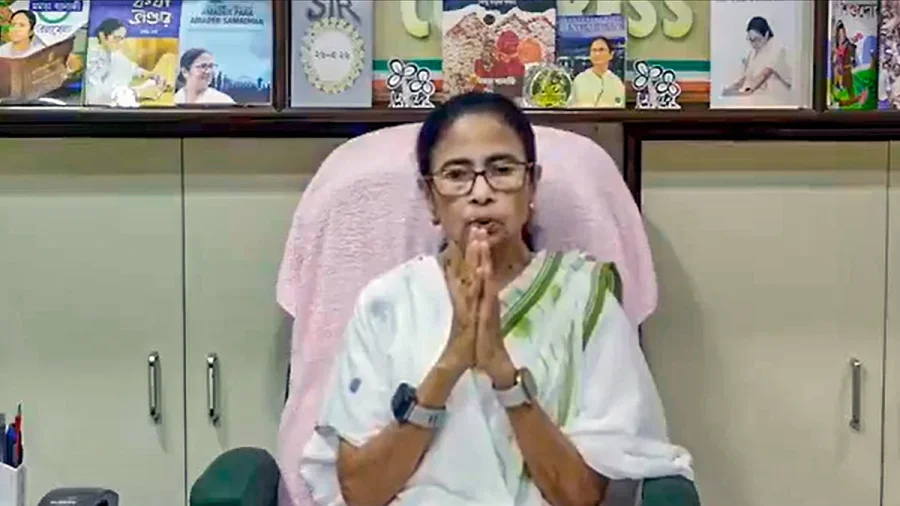
The immediate impact is on the municipal bodies themselves, which now face a crisis of governance. But the deeper impact is on the TMC's cadre. The councillors who resigned are not just names on a list; they are influential local figures with their own support bases. Their departure could trigger a domino effect, encouraging others to follow suit. At the meeting, Mamata Banerjee urged party workers to remain "united and resolute" during what she called a "difficult political phase." She expressed strong displeasure over the alleged targeting of her party, but her message was clear: the party must hold together. Whether that message will be heeded remains the central question.
What We Know So Far — and What Remains Unclear
What we know: At least 115 TMC councillors have resigned. The resignations are linked to a perceived crackdown on party members. Mamata Banerjee has convened a meeting to address the crisis.
What remains unclear: The full list of municipalities affected. Whether more resignations are imminent. The specific demands of the resigning councillors. The long-term strategy of the TMC to rebuild trust with its local leadership. The exact role of the opposition BJP in exploiting this internal turmoil.
Risks, Concerns, and the Balanced View
The risks for the TMC are immense. This could lead to by-elections in multiple wards, which the party might lose, further eroding its power. It also provides a powerful narrative for the opposition BJP, which can frame this as proof of a "house of cards" collapsing. However, a balanced view requires acknowledging that internal dissent is not new to the TMC, and the party has historically managed to consolidate during crises. The real test will be whether Mamata Banerjee can turn this moment of vulnerability into a show of strength, or whether the cracks will widen into a chasm.
Why Similar Trends Are Growing in West Bengal Politics
This mass resignation is part of a larger, worrying pattern in West Bengal's political landscape. The increasing use of central agencies and local administrative actions against political opponents has created a high-stakes environment. When local leaders feel that the cost of loyalty is personal risk, the party structure begins to fray. This trend, if unchecked, could lead to a more fragmented and unstable political environment in the state, where local governance becomes a casualty of larger political battles.
- The resignations are concentrated in areas where the TMC faced weak electoral performance in recent local body polls.
- Allegations of corruption and lack of internal democracy within the party have also been cited as underlying causes by some political analysts.
"Banerjee expressed strong displeasure over what she alleged were arbitrary arrests, intimidation and harassment of TMC councillors." — Reports from the meeting at Kalighat.
What Readers and Political Observers Should Know Now
For the average citizen, this means potential disruption in local municipal services and a period of political uncertainty. For political observers, this is a critical data point. Watch for the next 48 hours. If the resignations stop and the party shows a united front, the crisis may be contained. If more councillors join the exodus, it signals a systemic failure that could reshape West Bengal's political map before the next major election.
What Could Happen Next
The immediate future is likely to see more high-level damage control by the TMC leadership. We can expect Mamata Banerjee to hold more meetings, possibly offer assurances or even reshuffle local party structures. The opposition BJP will likely try to fan the flames, offering support to the dissenting councillors. In the medium term, the TMC will have to address the root causes of this discontent—whether it's the pressure from central agencies or internal grievances—or risk a slow, steady erosion of its grassroots power.
Our Take: Why This Story Matters Beyond One Incident
This is more than just a story about internal party politics. It is a case study in how political pressure, when applied relentlessly, can break the organisational will of even a dominant party. It highlights the fragility of local democracy when it becomes a pawn in larger power struggles. The 115 resignations are a warning shot—not just for the TMC, but for any political organisation that takes its grassroots workers for granted. The silence in those empty council chambers is a sound that should be heard across the entire political spectrum.
FAQs
Why did over 100 TMC councillors resign?
The resignations are a protest against what the councillors and party leadership describe as a targeted crackdown involving arrests, intimidation, and administrative actions against TMC members. It reflects a deep crisis of confidence within the party's local ranks.
What is Mamata Banerjee doing to stop the TMC crisis?
Mamata Banerjee has called an urgent meeting with councillors from the affected areas, including the Dum Dum district. She has urged party workers to remain united and has expressed displeasure over the alleged harassment of party members, signaling a push for internal consolidation.
How will the mass resignations affect local governance in West Bengal?
The resignations could lead to a paralysis of municipal administration in the affected areas. It may trigger by-elections, disrupt local development work, and create a power vacuum that opposition parties will try to fill, leading to political instability at the grassroots level.
Is this the biggest internal crisis for the Trinamool Congress?
This is one of the most significant internal challenges for the TMC in recent years, particularly because it involves a mass exodus of elected local representatives. It signals a level of organisational distress that goes beyond typical political infighting and strikes at the party's core grassroots strength.