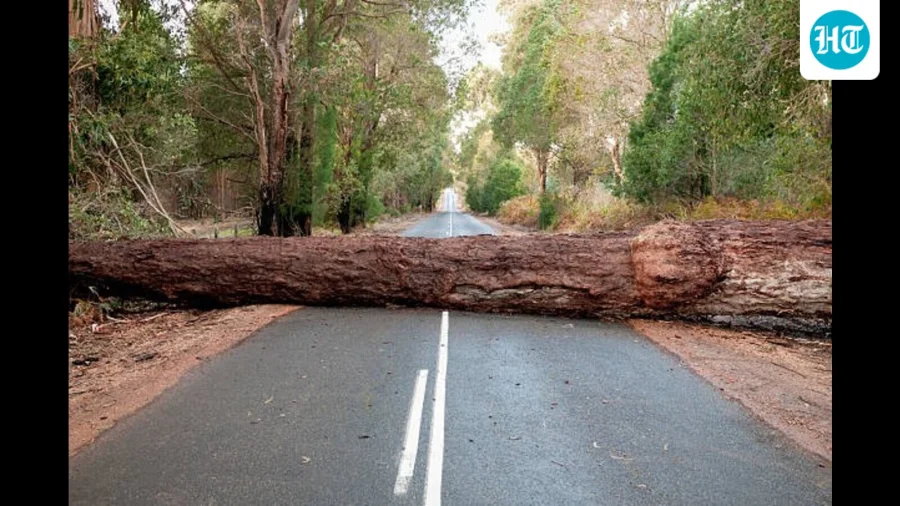
Every time a tree falls in an Indian city, it is not an accident of nature. It is a failure of governance. A high court has now made this explicit, ruling that a tree is not just property or a utility—it is a "living being" deserving of the highest degree of protection, especially when it stands alone and mature.
The Judgment That Redefines a Tree's Legal Status
The court's description of a tree as "a living being" is not poetic flourish. It is a legal shift. By granting solitary mature trees this elevated status, the judiciary has placed a new burden on city authorities. They can no longer treat tree removal as a routine administrative decision. It must now be justified against a standard that recognizes the tree's intrinsic right to exist.
Why Solitary Mature Trees Are Most Vulnerable
In dense urban landscapes, a single large tree is often the last survivor of a once-thriving ecosystem. It provides shade, absorbs pollution, supports local biodiversity, and holds cultural significance. Yet, these are the very trees most often targeted for road widening, flyovers, and commercial projects. The court's ruling specifically singles out these "solitary mature trees" for the highest protection, acknowledging their irreplaceable role.
The Human Cost of a City That Fails Its Trees
When a city fails a tree, it fails its residents. The loss of a mature tree means higher temperatures on the street, increased air pollution, and the disappearance of a natural gathering space. For communities that have lived under that tree for generations, its removal is a cultural and emotional loss. The ruling gives these citizens a stronger legal voice to challenge such decisions.
What the Court's Language Means for Urban Planning
By calling a tree a "living being," the court has moved beyond environmental law into the realm of rights. This language echoes earlier judgments that recognized the rights of rivers and animals. It signals that urban development cannot be a zero-sum game where nature always loses. City planners must now integrate tree conservation as a non-negotiable element of infrastructure design, not an afterthought.
Confirmed Facts vs What Remains Unclear
Confirmed: The high court has legally described a tree as a "living being" and mandated the highest degree of protection for solitary mature trees. This is a binding judicial observation. Unclear: The specific case details, the exact court (likely a state high court), and the immediate enforcement mechanisms are not yet fully reported. The broader implications for pending development projects also remain to be tested in court.
Risks and Balanced View
While the ruling is a landmark for conservation, it raises practical questions. Critics may argue that such protection could stall essential urban infrastructure projects like metro lines or affordable housing. There is also the challenge of enforcement—how will a city monitor and protect every solitary mature tree? The ruling's success depends on clear guidelines and a genuine shift in administrative culture, not just judicial rhetoric.
Wider Trend: The Judiciary as Guardian of Nature
This judgment is part of a growing judicial trend in India where courts are expanding the legal definition of rights to include natural entities. From the Ganga and Yamuna rivers being declared legal persons to the recognition of animal rights, the judiciary is increasingly stepping in where executive and legislative action has been slow. This ruling on trees is the latest, and perhaps most urban-centric, extension of that philosophy.
Practical Guidance for Citizens and Activists
For residents fighting to save a tree in their neighborhood, this ruling is a powerful tool. Document the tree's age, species, and ecological significance. Cite the court's language in representations to municipal authorities. If a felling notice is issued, challenge it on the grounds that the tree is a "living being" entitled to the highest protection. Legal aid groups and environmental lawyers can use this precedent to file public interest litigations.
Future Outlook: What Happens Next
The immediate impact will be seen in court cases where tree felling is challenged. Developers and municipal corporations will face tougher scrutiny. In the long term, this ruling could force cities to create "tree protection zones" and mandate ecological impact assessments for any project near a mature tree. The real test will be whether this legal recognition translates into on-ground protection, or remains a symbolic victory.
Our Take
This ruling is a necessary correction to a system that has long treated trees as obstacles to progress. By calling a tree a "living being," the court has reminded cities that development must be compassionate, not just efficient. The burden is now on urban planners to prove that a tree's removal is absolutely necessary, not merely convenient. Whether this leads to better cities or more litigation depends on how seriously the executive branch takes the court's words. For now, every solitary mature tree in India has a new legal shield.
Frequently Asked Questions
What does it mean when a court calls a tree a "living being"?
It is a legal recognition that the tree has an intrinsic right to exist, beyond its utility to humans. This grants it a higher degree of legal protection, meaning authorities must provide stronger justification for its removal.
Does this ruling apply to all trees in India?
The ruling specifically emphasizes "solitary mature trees" in urban areas. While it sets a precedent, its direct application may vary by state and case. It is strongest for trees that stand alone and are ecologically significant.
Can this ruling stop a road-widening project?
Potentially, yes. If a project requires cutting down a solitary mature tree, the court's ruling gives citizens and activists a strong legal basis to challenge the project. The authority would need to prove there is no alternative.
What should I do if a tree in my neighborhood is marked for cutting?
Document the tree, gather community support, and file a formal objection with the municipal corporation. Cite this high court ruling in your representation. Contact local environmental lawyers for legal assistance.