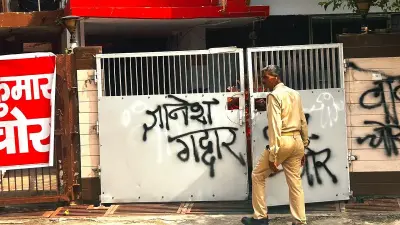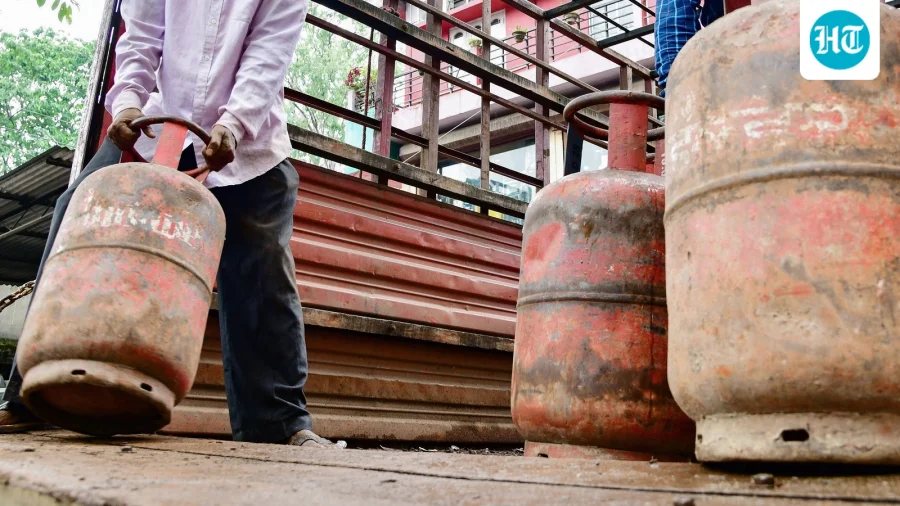
A terrifying sequence of explosions ripped through a quiet residential street in Chandigarh’s Sector 25 on Wednesday, when three LPG cylinders detonated inside a house, leaving four people injured and sending shockwaves through the neighborhood. The blasts were so powerful that they not only destroyed the home where they originated but also left visible cracks in the walls of several adjacent houses, raising serious concerns about safety and structural integrity in densely populated areas.
How the LPG Cylinder Explosion Unfolded in Chandigarh’s Sector 25
According to police officials, the incident occurred in the afternoon when three LPG cylinders inside a residential property exploded in quick succession. The back-to-back blasts created a deafening roar that could be heard several blocks away. Neighbors rushed out of their homes in panic as debris flew through the air and smoke billowed from the damaged structure.
Emergency services, including fire tenders and police teams, arrived at the scene within minutes. The injured were immediately rushed to a nearby hospital for treatment. While their exact condition remains under assessment, officials confirmed that all four victims are receiving medical care.
Why This Matters Right Now
This incident is a stark reminder of the everyday risks that millions of Indian households face when using LPG cylinders. With LPG being the primary cooking fuel in most urban and semi-urban homes, a single leak or malfunction can escalate into a catastrophic event. The fact that this explosion caused structural damage to neighboring houses highlights how a localized accident can quickly become a community-wide emergency. For residents of Chandigarh and similar cities, this raises urgent questions about gas safety protocols, cylinder maintenance, and emergency preparedness.
Who Is Affected and What Officials Are Saying
The immediate victims are the four individuals who sustained injuries in the blast. Their families are now grappling with both medical emergencies and the loss of their home. Beyond them, the entire neighborhood has been shaken. Residents of nearby houses reported feeling the ground tremble and hearing a loud explosion. Many are now worried about the structural safety of their own homes, as cracks have appeared in the walls of several properties.
Police officials have stated that an investigation is underway to determine the exact cause of the explosion. “We are looking into whether it was a gas leak, a faulty regulator, or any other factor that led to this incident,” a senior officer said. Fire service personnel have also inspected the site to ensure there are no remaining hazards.
What We Know So Far — and What Remains Unclear
What we know: Three LPG cylinders exploded in a house in Sector 25, Chandigarh. Four people were injured and are receiving treatment. The house where the blast occurred has been severely damaged, and cracks have appeared in the walls of several neighboring homes. Emergency response teams acted quickly.
What remains unclear: The exact cause of the explosion is still under investigation. It is not yet known whether the cylinders were old, improperly maintained, or if there was a leak from the pipeline or regulator. The identities and current medical condition of the injured have not been officially released. The full extent of the structural damage to surrounding properties is also being assessed.
Risks, Concerns, and the Balanced View
LPG cylinder explosions, while not everyday occurrences, are a recurring danger in Indian households. Common causes include old or damaged cylinders, faulty regulators, leaking hoses, and improper storage. In this case, the fact that three cylinders exploded suggests a possible chain reaction, which can happen when one blast ignites nearby cylinders.
However, it is important to note that LPG is generally safe when used correctly. The Bureau of Indian Standards (BIS) and oil marketing companies have strict guidelines for cylinder manufacturing and maintenance. Most accidents occur due to user negligence or lack of awareness. This incident should not create panic but rather serve as a call for better safety practices.
Why Similar Incidents Are a Growing Concern
LPG-related accidents are reported across India every year. From small kitchen fires to major explosions, these incidents often result in injuries, fatalities, and property damage. In many cases, the root cause is a simple oversight — a forgotten regulator, a worn-out hose, or a cylinder placed too close to a heat source. With millions of households relying on LPG, even a small percentage of safety failures can lead to significant human and material loss.
This Chandigarh blast is part of a broader pattern that demands greater public awareness and stricter enforcement of safety norms. Local authorities and gas agencies must work together to conduct regular safety checks and educate consumers.
- Always check for gas leaks using soap water, not a matchstick.
- Ensure the regulator is properly fitted and the hose is not cracked or old.
- Keep LPG cylinders in a well-ventilated area, away from electrical appliances and heat sources.
- Replace old or damaged cylinders immediately and report any suspicious odor to the gas agency.
“We are investigating the cause of the explosion and will take appropriate action. Our priority is the safety of the residents.” — Senior Police Official, Chandigarh
What Residents and LPG Users Should Know Now
For those living in Chandigarh or any city with LPG connections, this incident is a practical reminder to review your own safety measures. Check the expiry date on your cylinder, inspect the hose and regulator for wear and tear, and ensure you know how to shut off the gas supply in an emergency. If you smell gas, do not light any flame, switch on any electrical appliance, or use your phone. Open windows and doors, and call your gas agency immediately.
For the residents of Sector 25, the immediate focus should be on supporting the injured families and ensuring that the damaged homes are inspected by structural engineers before anyone re-enters them.
What Could Happen Next
The police investigation will likely take a few days to conclude. Depending on the findings, the gas agency or cylinder supplier could face scrutiny. The injured individuals may require extended medical treatment, and the affected families will need assistance with housing and rehabilitation. Local authorities may also issue a safety advisory for all LPG users in the area.
In the longer term, this incident could prompt a broader review of LPG safety protocols in Chandigarh, including more frequent inspections and public awareness campaigns.
Our Take: Why This Story Matters Beyond One Incident
This explosion in Chandigarh is not just a local news item. It is a microcosm of a larger safety challenge that India faces. Every day, millions of families cook their meals using LPG, trusting that the system is safe. When a blast like this happens, it shatters that trust and reminds us that safety is not automatic — it requires constant vigilance, proper maintenance, and informed users. The real story here is not just the blast itself, but the urgent need for a culture of safety that prevents such incidents from happening again.
FAQs
What caused the LPG cylinder explosion in Chandigarh?
The exact cause is still under investigation by the police and fire services. Possible factors include a gas leak, a faulty regulator, or an old cylinder. Officials are expected to release more details after the probe is complete.
How many people were injured in the Chandigarh LPG blast?
Four people were injured in the explosion. They have been taken to a hospital for treatment. Their current condition has not been officially disclosed.
Is it safe to live near a house that had an LPG cylinder blast?
After an explosion, the affected house and nearby structures should be inspected by a structural engineer to ensure they are safe. In this case, cracks have appeared in neighboring walls, so residents should exercise caution and wait for official clearance before re-entering damaged buildings.
How can I prevent an LPG cylinder explosion in my home?
Regularly check your cylinder, hose, and regulator for damage or wear. Ensure proper ventilation in the kitchen. Never use a leaking cylinder. If you smell gas, do not operate any electrical switches or flames. Call your gas agency immediately for assistance.