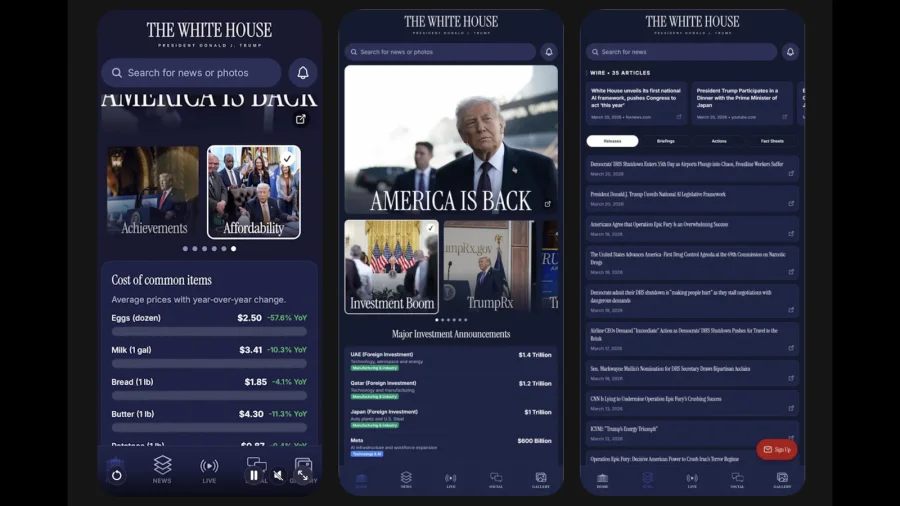
Imagine picking up your work phone one morning and finding a new app you never installed — the official White House app. That's reportedly what's happening to Department of Homeland Security (DHS) staff, according to a Politico report. The move, if confirmed, marks a significant step in the Trump administration's push to keep federal employees connected to the White House through its dedicated mobile platform.
What the Report Says About the White House App Rollout
Politico reported that the White House app is being automatically loaded onto DHS staff's government-issued work phones. The app, which promises "unparalleled access" to the Trump administration, includes features like news updates, event streams, and direct communications. The report did not specify whether employees were notified in advance or given an option to opt out.
Why This Matters for Federal Employees and Privacy
For DHS staff, this isn't just about a new app icon. Auto-installation raises questions about device autonomy — who controls what goes on a government phone? Privacy advocates worry about potential data collection, as the app may track usage patterns or location. Federal employees might also feel pressured to engage with political content, blurring lines between professional duty and partisan messaging.
How the White House App Came to Be
The White House app was launched in March 2026, touted by the administration as a tool to "deliver unparalleled access" to President Donald Trump and his team. It was initially available for voluntary download on personal devices. The reported DHS auto-installation appears to be part of a broader push to place the app on all federal government phones, as earlier indicated by Government Executive.
Who Is Affected by This Policy
DHS employees — including staff at agencies like Customs and Border Protection (CBP), Immigration and Customs Enforcement (ICE), and the Transportation Security Administration (TSA) — are reportedly the first to see the app auto-installed. If the policy expands, millions of federal workers across other departments could face similar mandates. For now, the focus remains on Homeland Security.
What the White House and DHS Have Said
As of now, neither the White House nor DHS has issued a public statement confirming or denying the Politico report. The White House app's official page on whitehouse.gov describes it as a tool for "keeping Americans connected," but doesn't mention mandatory installation. DHS press offices have not responded to requests for comment from multiple outlets.
Why the App Is Being Pushed Onto Government Phones
The administration's rationale, according to earlier reports, is to ensure federal employees have direct access to official White House communications — from policy announcements to emergency alerts. Supporters argue it streamlines information flow across the government. Critics, however, see it as a way to amplify political messaging within the federal workforce.
Confirmed Facts vs What Remains Unclear
What's confirmed: Politico's report that the White House app is being auto-installed on DHS staff devices. What remains unclear: whether employees were informed, if opt-out options exist, what data the app collects, and whether other departments will follow. The White House and DHS have not verified or denied the report.
Risks and Balanced View of the Auto-Installation
Supporters say the app ensures federal workers stay informed about administration priorities and emergency updates. Critics raise concerns about privacy, data security, and the potential for political coercion. Some legal experts question whether mandatory installation violates federal employee rights or device usage policies. The debate reflects broader tensions between operational efficiency and individual autonomy.
Wider Trend: Government Apps on Federal Devices
This isn't the first time the government has pushed apps onto employee phones. Previous administrations have used similar tools for internal communications. However, the White House app's political nature — branded around President Trump — makes this rollout distinct. It signals a shift toward using federal devices as direct channels for administration messaging.
Practical Guidance for DHS Employees and Federal Workers
If you're a DHS staffer affected, check your device for the app. Review your agency's mobile device policy — some may allow removal or opt-out. For privacy concerns, consult your IT department or union representative. Federal workers in other departments should watch for similar rollouts and stay informed about their rights regarding device management.
Future Outlook: What Could Happen Next
If the DHS rollout proceeds without pushback, other agencies may follow. Expect potential legal challenges from employee unions or privacy groups. The White House may also release official guidance clarifying the policy. For now, the situation remains fluid, with more details likely to emerge as employees and media outlets investigate further.
Our Take
This story is about more than an app — it's about the boundaries between government communication and employee autonomy. While keeping federal workers informed is a legitimate goal, mandatory installation of a politically branded app raises valid concerns. The lack of transparency from the White House and DHS only fuels speculation. As the rollout unfolds, the key question will be: where does operational necessity end and overreach begin?
Frequently Asked Questions
Is the White House app being forced onto all government phones?
According to a Politico report, the app is being auto-installed on DHS staff's work phones. It's unclear if this applies to all federal employees yet.
Can DHS employees remove the White House app from their phones?
It's not confirmed if removal is possible. Employees should check their agency's mobile device policy or contact IT for guidance.
What data does the White House app collect?
The app's privacy policy hasn't been publicly detailed in the context of mandatory installation. Users should review the app's terms for data practices.
Why is the White House app being installed without consent?
The administration reportedly aims to ensure federal workers have direct access to official communications. Critics argue it bypasses employee choice.