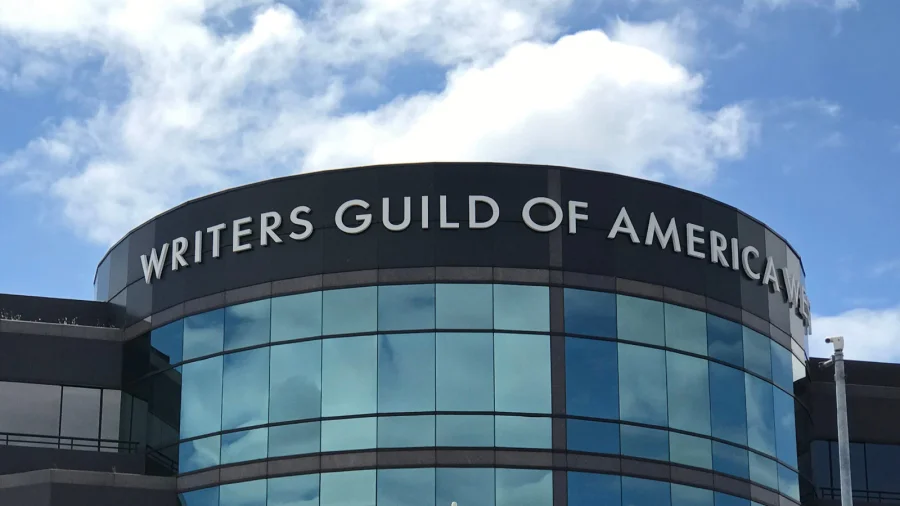
The Writers Guild of America (WGA) has escalated its fight against media consolidation, filing a lawsuit to block the proposed merger between Paramount and Warner Bros. Discovery. The guild argues that the deal would hand one billionaire family control over roughly a third of the U.S. entertainment media market, threatening competition and the livelihoods of writers across the industry.
Why the WGA Is Taking Legal Action
The WGA's lawsuit centers on antitrust concerns. The guild contends that the merger would create an entertainment behemoth with outsized power over production, distribution, and content creation. This concentration, they argue, would stifle competition, reduce opportunities for writers, and harm the diversity of voices in Hollywood.
The Core Concern: One Family, One-Third of Media
At the heart of the lawsuit is the fear that a single billionaire family could oversee a massive portion of the entertainment landscape. The WGA claims this level of control would allow the merged entity to dictate terms to writers, streamers, and other studios, potentially lowering wages and limiting creative freedom. The guild frames this as a threat not just to its members but to the entire ecosystem of American storytelling.
How the Merger Would Reshape Hollywood
The proposed Paramount-Warner Bros. Discovery merger would combine two of the biggest names in film and television. Paramount owns CBS, Nickelodeon, and Paramount Pictures, while Warner Bros. Discovery controls HBO, CNN, DC Comics, and Warner Bros. Studios. Together, they would command a vast library of content, significant distribution power, and a dominant position in both traditional and streaming media.
Who Is Affected by This Legal Battle
If the merger goes through, writers, actors, and other creative professionals could face fewer buyers for their work, potentially leading to lower pay and fewer job opportunities. Independent studios and smaller production companies might also struggle to compete. For viewers, the concern is less choice and higher prices as the merged company controls more of what they watch and how they access it.
The WGA's Argument: Antitrust and Fair Competition
The WGA's legal filing argues that the merger violates U.S. antitrust laws designed to prevent monopolies and protect competition. The guild points to the combined entity's ability to leverage its market power across production, distribution, and exhibition, creating a vertically integrated giant that could squeeze out rivals. The lawsuit seeks a court order to block the deal permanently.
What This Means for the Merger's Future
The WGA's lawsuit adds a significant legal obstacle to an already complex deal. While the merger has faced scrutiny from regulators and industry observers, this direct legal challenge from a major union could delay or even derail the process. The outcome will depend on how courts interpret antitrust law in the context of modern media consolidation.
Confirmed Facts vs What Remains Unclear
Confirmed: The WGA has filed a lawsuit to block the Paramount-Warner Bros. Discovery merger, citing antitrust concerns. Unclear: The specific legal arguments and evidence the WGA will present in court, the timeline for the case, and whether other unions or groups will join the challenge. The merger's ultimate fate remains uncertain.
Risks and Balanced View
Supporters of the merger argue that consolidation can lead to efficiencies, cost savings, and a stronger ability to compete with global tech giants like Netflix and Amazon. They contend that the combined company could invest more in content and innovation. Critics, including the WGA, warn that such concentration of power harms competition, reduces diversity, and hurts workers. The legal battle will test these competing visions.
Wider Trend: The Fight Against Media Consolidation
The WGA's lawsuit is part of a broader backlash against media consolidation in the United States. Regulators, unions, and advocacy groups have increasingly challenged large mergers in the entertainment and telecommunications sectors. This case could set a precedent for how antitrust laws are applied to modern media deals, especially those involving streaming and digital distribution.
What Writers and Industry Professionals Should Know
For WGA members and other industry professionals, the lawsuit is a signal that the union is willing to use legal means to protect their interests. Writers should stay informed about the case's progress and consider how the merger might affect their contracts, job opportunities, and creative freedom. Engaging with union updates and legal analyses will be crucial.
What Happens Next
The lawsuit will now proceed through the court system. The WGA will present its arguments, and the merging companies will likely mount a vigorous defense. A ruling could take months or longer. If the court grants an injunction, the merger could be halted indefinitely. If the lawsuit fails, the deal may proceed, though regulatory hurdles remain.
Our Take
The WGA's lawsuit is a bold and necessary move in an era of unprecedented media consolidation. While the legal outcome is uncertain, the guild has raised legitimate questions about the concentration of power in the entertainment industry. This case is not just about one merger—it is about the future of competition, creativity, and fair labor practices in Hollywood. Regardless of the ruling, the debate over who controls our stories is far from over.
Frequently Asked Questions
Why is the WGA suing to block the Paramount-Warner Bros. Discovery merger?
The WGA is suing because it believes the merger would give one billionaire family control over a third of U.S. entertainment media, violating antitrust laws and harming competition, writers' wages, and creative diversity.
What is the main legal argument in the WGA lawsuit?
The lawsuit argues that the merger would create an illegal monopoly or near-monopoly in the entertainment industry, reducing competition and giving the merged entity too much power over production, distribution, and content.
Could the WGA lawsuit actually stop the merger?
Yes, if a court agrees with the WGA's antitrust arguments, it could issue an injunction blocking the merger. However, the legal process is complex, and the outcome is uncertain.
How would this merger affect writers and viewers?
Writers could face fewer job opportunities and lower pay due to reduced competition among studios. Viewers might see less diversity in content and potentially higher prices as the merged company controls more of the market.