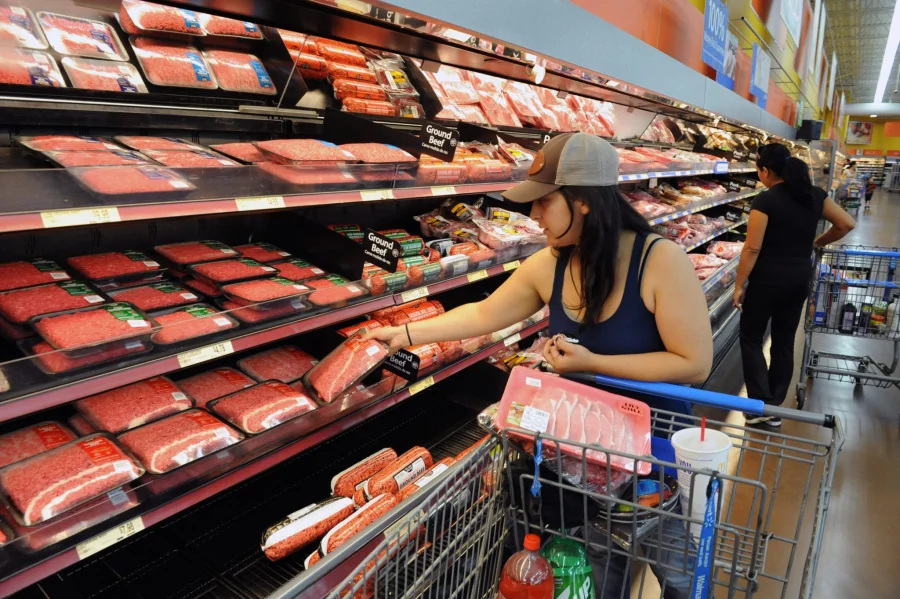
It’s officially grilling season in the United States — the time of year when backyards and parks fill with the smell of burgers and steaks. But this year, Americans are staring at price tags that are forcing a different kind of conversation at the checkout counter.
The record that nobody wanted: ground beef at $6.90 per pound
The average price of a pound of ground beef hit a record retail price of $6.90 last month, according to recent data. That’s roughly 19% higher than a year ago — a jump that has turned a summer staple into a budget-busting line item for millions of households.
How can the world’s meat powerhouse have such expensive beef?
Here’s the paradox: The United States is one of the world’s largest meat producers. North America, led by the US, tops global charts for meat available per person, according to a report published Friday by the UN’s Food & Agriculture Organization. The US is also the world’s second-largest beef producer, trailing only Brazil.
So why are Americans paying more than ever for beef at home? The answer lies not in how much is produced, but in the economics of getting that beef to the dinner table.
The supply chain squeeze behind the price spike
While the US produces massive volumes of beef, several factors are driving up retail prices. Cattle ranchers have faced higher costs for feed, fuel, and labor. Drought conditions in key grazing regions have reduced herd sizes over the past few years, tightening supply at the wholesale level. Meanwhile, processing capacity remains concentrated among a handful of major meatpacking companies, which can keep margins firm even when cattle prices fluctuate.
Export demand also plays a role. US beef is sought after globally, and strong international sales can reduce domestic supply, pushing up prices for American consumers.
What this means for the American family cookout
For the average household, the impact is immediate and personal. A family buying five pounds of ground beef for a summer barbecue is now spending nearly $35 — roughly $5.50 more than last year. That extra cost adds up quickly over the course of the season, forcing many to swap beef for cheaper proteins like chicken or pork, or to reduce portion sizes.
“It’s officially grilling season, but Americans are getting forced into difficult decisions in supermarket aisles across the country,” the original report noted.
What the UN data tells us about global meat production
The FAO report released Friday underscores a key point: the US is not a country that lacks meat. In fact, North America leads the world in meat availability per person. But production volume alone doesn’t determine retail prices. Domestic economics — including processing costs, transportation, labor shortages, and retail markups — are working against the menu item most craved by many Americans.
Confirmed facts vs what remains unclear
What is confirmed: Ground beef hit a record $6.90 per pound in May 2025, up about 19% year-on-year. The US is the world’s second-largest beef producer. North America leads in per capita meat availability. What remains unclear: Whether this price spike is temporary or signals a longer-term shift in beef affordability. The specific breakdown of how much each factor (drought, feed costs, processing concentration, export demand) contributed to the price increase has not been fully detailed in available data.
Risks and balanced view
Not all analysts agree that high prices will persist. Some expect herd rebuilding to gradually increase supply, potentially easing prices in 2026. Others warn that structural issues — such as consolidation in meatpacking and climate-related pressures on grazing land — could keep beef prices elevated for years. Consumers may increasingly turn to alternative proteins, which could reshape demand patterns.
Wider trend: The growing disconnect between production and prices
The US beef price story is part of a broader pattern in American food economics. Despite being one of the world’s most efficient agricultural producers, US consumers are facing rising food costs across multiple categories. The gap between farm-gate prices and retail prices has widened, reflecting the growing power of intermediaries in the food supply chain.
Practical guidance for shoppers this grilling season
For Americans looking to manage costs, experts suggest considering cheaper cuts like chuck or sirloin for grinding at home, buying in bulk when prices are lower, or exploring frozen beef options. Blending ground beef with mushrooms or lentils can stretch meals without sacrificing flavor. Comparing prices across stores and using loyalty programs can also help.
Future outlook
Whether beef prices ease in the coming months depends on several factors: cattle herd recovery, feed costs, export demand, and potential policy responses. The USDA and industry groups are monitoring the situation. For now, Americans heading into peak grilling season should expect continued pressure on their grocery budgets.
Our Take
The US beef price story is a reminder that being a global production leader does not guarantee affordable domestic prices. The disconnect between what America produces and what Americans pay reflects deeper structural issues in food supply chains — from consolidation in processing to climate vulnerability in agriculture. For consumers, the pain at the meat counter is real, and it’s not likely to disappear overnight. This story matters because it touches every American household, and because it raises uncomfortable questions about how efficiently our food system actually serves the people who fund it.
Frequently Asked Questions
Why is ground beef so expensive right now in the US?
Ground beef hit a record $6.90 per pound in May 2025, up 19% from last year. Key factors include higher feed and fuel costs for ranchers, drought-reduced cattle herds, concentrated meatpacking industry margins, and strong export demand reducing domestic supply.
Is the US still a major beef producer?
Yes, the US is the world’s second-largest beef producer, behind Brazil. North America also leads globally in meat available per person, according to the UN Food & Agriculture Organization.
Will beef prices go down in 2025?
It depends on cattle herd recovery, feed costs, and export demand. Some analysts expect gradual easing in 2026, but structural factors like processing consolidation and climate pressures may keep prices elevated.
What can I do to save money on beef this grilling season?
Consider cheaper cuts like chuck or sirloin, grind meat at home, buy in bulk, blend beef with mushrooms or lentils, compare store prices, and use loyalty programs. Frozen beef can also be a cost-effective option.