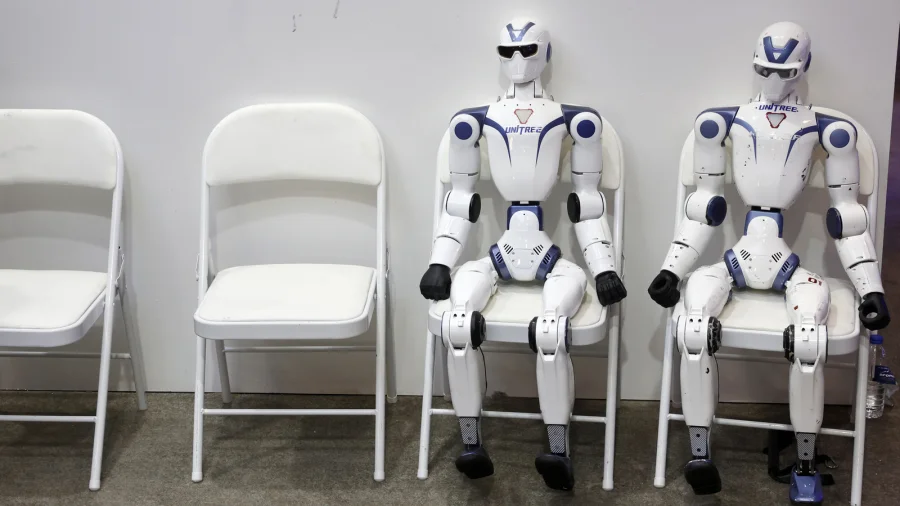
The United States has moved to ban foreign-made humanoid robots and power inverters, a decision that signals a significant shift in how the country approaches national security and technological self-reliance. The policy, part of a broader strategy to kickstart domestic production of emerging technologies, could reshape global supply chains and affect industries from manufacturing to consumer electronics.
Why the US is banning foreign humanoid robots and power inverters
The ban is rooted in concerns over national security. Officials argue that reliance on foreign-made humanoid robots and power inverters — critical components in automation, energy systems, and defense — poses risks of espionage, supply chain disruption, and technological dependency. By restricting imports, the US aims to foster domestic innovation and production capacity.
What this means for the robotics and electronics industries
Humanoid robots are increasingly used in manufacturing, healthcare, and logistics. Power inverters are essential for converting DC to AC power, vital for solar energy systems, electric vehicles, and industrial equipment. The ban could accelerate US-based manufacturing but may also lead to short-term shortages or price increases as domestic producers scale up.
How the policy fits into a broader national security strategy
This move aligns with recent US efforts to reduce dependence on foreign technology, particularly from China. Similar restrictions have been placed on semiconductors, AI chips, and telecommunications equipment. The ban on humanoid robots and power inverters extends this logic to emerging tech sectors where the US seeks to lead.
Who is affected by the ban
US companies that rely on imported humanoid robots or power inverters may face supply constraints. Foreign manufacturers, especially those in China and other countries, could lose access to the US market. Consumers and businesses using these products may see higher costs or delays as domestic alternatives are developed.
Official response and next steps
The US government has not yet released detailed implementation guidelines. Industry groups are expected to lobby for exceptions or transition periods. The policy is likely to be enforced through existing trade and customs mechanisms, with penalties for violations.
What remains unclear about the ban
It is not yet known which specific foreign countries or companies are targeted, whether there are exemptions for existing contracts, or how the ban will be enforced for components used in larger systems. These details are expected in forthcoming regulatory filings.
Risks and balanced view
While the ban aims to boost domestic production, critics warn it could disrupt supply chains, increase costs, and provoke retaliatory trade measures. Some experts argue that outright bans may stifle innovation by limiting access to global technology. The policy also raises questions about the definition of "humanoid robot" and "power inverter," which could lead to legal challenges.
Wider trend: US push for tech sovereignty
The ban is part of a larger pattern of the US asserting control over critical technologies. From chip manufacturing to AI, the government is increasingly using trade policy to protect national security and promote domestic industry. This trend is likely to continue, affecting more sectors in the future.
Practical guidance for businesses and consumers
Companies that rely on imported humanoid robots or power inverters should assess their supply chains and consider domestic alternatives. Consumers may see price increases for products using these components. Staying informed about regulatory updates will be key to navigating the transition.
Future outlook
The ban could accelerate US investment in robotics and power electronics manufacturing. Over time, domestic production may reduce costs and improve security. However, the short-term impact may include market volatility and trade tensions. The policy's success will depend on how quickly US companies can scale up production.
Our Take
This ban reflects a fundamental shift in US technology policy — from global integration to strategic self-reliance. While the national security rationale is clear, the economic and industrial consequences are complex. The move could strengthen US capabilities in emerging tech, but it also risks isolating American companies from global innovation networks. The coming months will reveal whether the benefits outweigh the disruptions.
Frequently Asked Questions
What products are banned under the new US policy?
The ban covers foreign-made humanoid robots and power inverters, targeting imports that could pose national security risks.
Why is the US banning foreign humanoid robots and power inverters?
The ban is part of a national security strategy to reduce dependence on foreign technology and boost domestic production of emerging tech.
How will the ban affect US businesses?
Businesses that rely on imported humanoid robots or power inverters may face supply shortages and higher costs as they transition to domestic alternatives.
When does the ban take effect?
The ban is currently in effect, though specific implementation details and exceptions are still being finalized by US authorities.