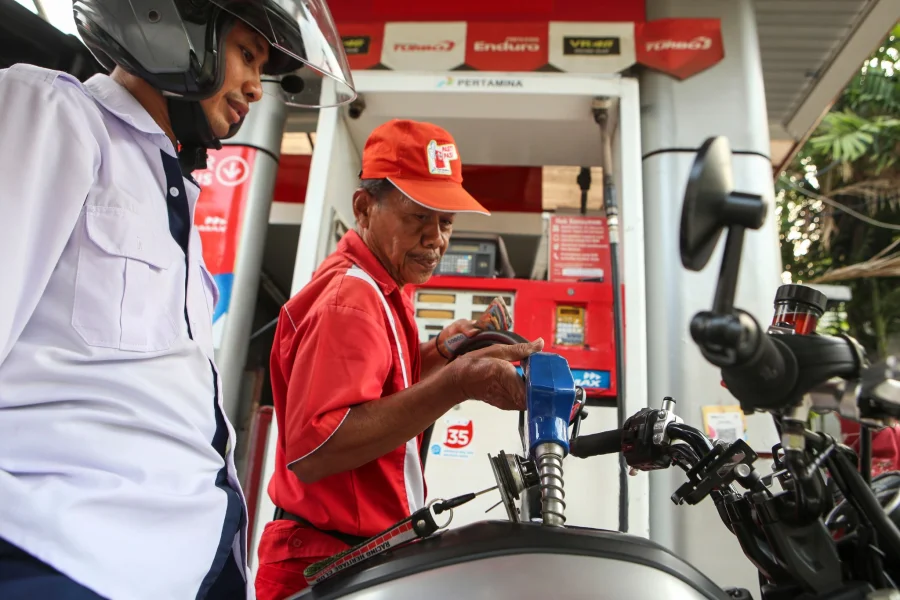
The news broke on June 17: the United States and Iran had signed a peace deal. For millions across Southeast Asia, it was the first glimmer of hope in months. The conflict had shut the Strait of Hormuz, the narrow waterway that carries about a fifth of the world's oil. In the Philippines, offices ran on four-day weeks. In Thailand, diesel was rationed. In Indonesia, coal plants were fired back up. Now, with a memorandum of understanding in place, the question on everyone's mind is: how long before the oil flows again?
The deal that ended a crisis
The US and Iran signed the long-awaited “memorandum of understanding” on June 17, pausing a conflict that had upended global oil markets since early 2026. As part of the agreement, Iran agreed to reopen the Strait of Hormuz, which it had closed earlier in the year. The US also lifted its blockade on Iranian oil exports. The deal was confirmed by senior officials from both sides on June 14, with former President Donald Trump stating that the strait would reopen by Friday, according to reports from The Hindu.
Why Asia felt the pain first
Southeast Asia was hit hardest because it relies heavily on oil imports through the Strait of Hormuz. The crisis forced governments into drastic measures. The Philippines declared a state of national energy emergency. Thailand imposed diesel rationing. Indonesia reactivated coal plants and accelerated ethanol blending programs. Vietnam curbed crude exports. For these nations, every day of the conflict meant deeper economic damage and more hardship for ordinary citizens.
The timeline to normalisation
Even with the deal signed, oil flows won't resume overnight. Shipping experts estimate that the first tankers could move through the strait within 1–2 weeks, but full normalisation will take longer. The backlog of ships waiting to pass, the need to restart refineries that were shut down, and the time required to rebuild supply chains mean that Asian markets may not see stable fuel supplies for 2–3 months. Insurance premiums for tankers in the region also need to return to pre-crisis levels, which could take additional weeks.
Who benefits most from the deal
The Philippines, Thailand, Indonesia, and Vietnam are the biggest immediate beneficiaries. For these nations, the deal means an end to energy emergencies and the possibility of returning to normal work weeks. India, another major oil importer from the region, will also see relief. However, countries that invested heavily in alternative energy during the crisis — like Indonesia's coal plants — may face difficult decisions about whether to reverse those moves.
Official responses and next steps
Philippine President Ferdinand Marcos Jr. welcomed the deal but cautioned that recovery would take time. "We have declared a state of national energy emergency, and that will remain until we are certain that supply chains are fully restored," he said in a statement. Thai officials said they would begin phasing out diesel rationing once tanker movements resume. The US and Iran have both committed to a monitoring mechanism to ensure compliance with the deal.
What the deal means for global oil markets
The reopening of the Strait of Hormuz is expected to bring down global oil prices, which had spiked by over 30% during the conflict. For Asian consumers, this could mean lower fuel costs at the pump within weeks. But analysts warn that the market remains volatile. "The deal is a positive step, but we need to see actual tanker movements before prices stabilise," said an energy analyst quoted by NBC News. The full impact on inflation and food prices — which had risen sharply due to higher transport costs — may take months to materialise.
Confirmed facts vs what remains unclear
What is confirmed: The US and Iran signed a memorandum of understanding on June 17. The Strait of Hormuz will reopen. The US blockade on Iranian oil is lifted. What remains unclear: The exact timeline for full shipping resumption, whether Iran will fully comply with the deal, and how quickly insurance markets will恢复正常. Some analysts also question whether the deal includes provisions for future conflicts or is a temporary pause.
Risks and balanced view
Not everyone is celebrating. Critics of the deal argue that it rewards Iranian aggression and does not address the underlying tensions in the region. Some US lawmakers have expressed concern that lifting the blockade could strengthen Iran's economy without guarantees against future hostilities. On the other side, Iranian officials have warned that any violation of the agreement could lead to a swift return to conflict. The deal's durability remains uncertain.
Wider trend: Energy security in Asia
The crisis has exposed a deeper vulnerability: Asia's heavy dependence on the Strait of Hormuz for oil. Several nations are now accelerating their shift to renewable energy and domestic fuel sources. India has ramped up its strategic petroleum reserves. Indonesia is investing in biofuels. The Philippines is exploring geothermal energy. The deal may bring short-term relief, but the long-term lesson is clear: diversification is no longer optional.
Practical guidance for affected nations
For governments: Begin planning the phased reversal of emergency measures. Prioritise clearing shipping backlogs and restarting refineries. For businesses: Monitor fuel price trends and adjust procurement strategies. For consumers: Expect some relief in fuel prices within weeks, but full normalisation may take months. For investors: Energy stocks and shipping companies may see volatility as the market adjusts.
Future outlook
If the deal holds, oil flows through the Strait of Hormuz could return to near-normal levels within 2–3 months. However, the risk of future disruptions remains high given the region's geopolitical instability. Asian nations will likely continue their push for energy independence, but for now, the peace deal offers a much-needed breather.
Our take
The US-Iran peace deal is a significant diplomatic achievement that ends a conflict that caused real suffering for millions in Asia. But the road to normalisation is long. The deal's success depends on implementation, compliance, and trust — all of which are fragile in the Middle East. For Asian nations, the crisis should serve as a wake-up call. The Strait of Hormuz will remain a chokepoint, and the only lasting solution is energy diversification. For now, though, the oil is finally flowing again.
Frequently Asked Questions
When will the Strait of Hormuz fully reopen after the US-Iran peace deal?
The strait is expected to reopen within days of the deal's signing, but full normalisation of shipping — including clearance of backlogs and resumption of insurance — could take 2–4 weeks.
How long will it take for oil prices in Asia to drop?
Oil prices could begin to fall within weeks as tanker movements resume, but stable prices may take 2–3 months as supply chains fully recover.
Which Asian countries were most affected by the Strait of Hormuz closure?
The Philippines, Thailand, Indonesia, Vietnam, and India were hardest hit, with fuel shortages leading to four-day work weeks, diesel rationing, and energy emergencies.
Will the US-Iran peace deal prevent future conflicts?
The deal is a temporary pause, not a permanent solution. Analysts warn that underlying tensions remain, and future disruptions are possible.