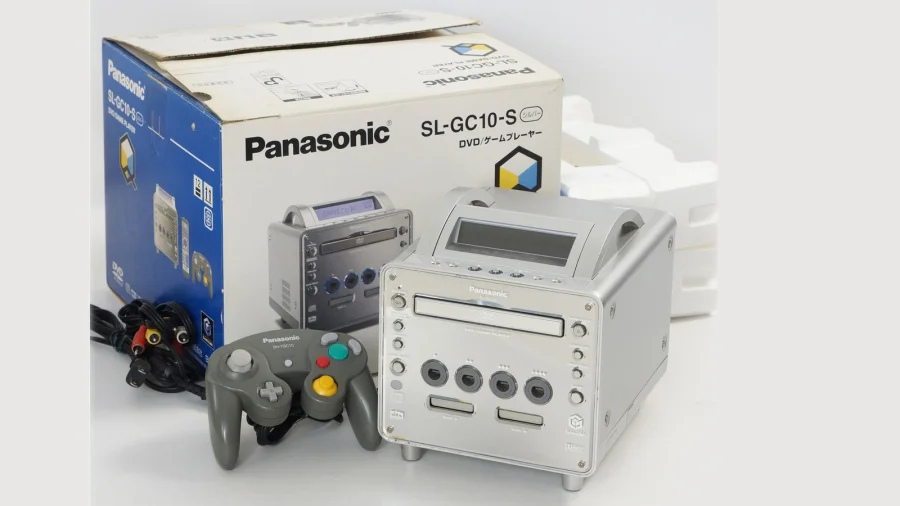
Imagine a GameCube that could do more than play games — one that doubled as a DVD player and a CD player. That wasn't a prototype or a mod. It was real, and it was called the Panasonic Q. Today, this unusual piece of gaming history is so rare that finding one below $1,000 is almost impossible.
A Collaboration That Made Gaming History
The Panasonic Q was born from a partnership between Nintendo and Panasonic in 2001. While the standard GameCube was a pure gaming machine, the Q added DVD and CD playback, turning it into a multimedia hub. It was a bold experiment that blended gaming with home entertainment — something Nintendo had never done before, and hasn't done since.
Why the Panasonic Q Became a Collector's Dream
Production was limited, and the console was primarily sold in Japan. That scarcity, combined with its unique silver finish and premium build, made it an instant target for collectors. Unlike the standard GameCube, the Q featured a front-loading disc tray and an LCD display panel — design touches that made it stand out in any entertainment setup.
The Price Climb: From Niche to Over $1,000
For years, the Panasonic Q was a curiosity. But as retro gaming exploded in popularity, demand surged. Today, listings below $1,000 are rare. Complete-in-box units with all accessories can command significantly higher prices. The console has become a status symbol for serious collectors — a piece of gaming history that few own.
Who Wants This Console and Why It Matters
Collectors aren't just buying a console; they're buying a story. The Panasonic Q represents a moment when Nintendo experimented beyond its core identity. For fans of gaming history, it's a tangible link to that era. For investors in retro hardware, it's a proven asset that has held and grown its value over time.
How to Spot a Genuine Panasonic Q
If you're hunting for one, know what to look for. The console is silver, larger than a standard GameCube, and has a distinctive front-loading tray. It also includes an LCD display on the front panel. Authentic units will have Panasonic branding alongside Nintendo's logo. Be wary of modded consoles or fakes — verify the model number and check for original packaging.
Confirmed Facts vs What Remains Unclear
What's verified: The Panasonic Q was officially licensed, played CDs and DVDs, and was sold mainly in Japan. What's less clear: exact production numbers. Panasonic and Nintendo have never released official sales figures, so collectors rely on market observations. Price estimates vary by condition, region, and included accessories.
Why This Console Stands Apart in Gaming History
The Panasonic Q's uniqueness isn't just about features. It's about what it represents — a rare moment of collaboration between two giants. No other GameCube model offered DVD playback. No other Nintendo console has matched that multimedia ambition. That exclusivity is why it remains a crown jewel for collectors.
Risks and Balanced View for Buyers
Before spending over $1,000, consider the risks. The console's age means internal components may fail. Replacement parts are hard to find. And while prices have risen, the market for retro hardware can be volatile. Buy from reputable sellers, check for working condition, and be prepared for potential repair costs.
The Bigger Trend: Retro Gaming's Rising Value
The Panasonic Q's price surge is part of a larger pattern. Retro consoles, rare cartridges, and limited-edition hardware have become serious investments. As nostalgia drives demand and supply shrinks, prices climb. The Q is a prime example of how gaming history is being revalued in real time.
Practical Guidance for Collectors and Sellers
If you own a Panasonic Q, get it appraised and consider insuring it. If you're buying, set a budget, verify authenticity, and ask for detailed photos of the disc tray and LCD display. For sellers, complete packaging and working condition will maximize value. Patience matters — the right buyer will pay a premium for quality.
Future Outlook: Will Prices Keep Climbing?
As the retro market matures, the Panasonic Q's rarity will likely keep its value strong. No reissue is planned, and the console's unique feature set ensures it won't be replicated. For collectors, it's a long-term hold. For the gaming community, it's a reminder of a time when Nintendo dared to be different.
Our Take
The Panasonic Q is more than a console — it's a piece of gaming's experimental past. Its value reflects not just scarcity, but significance. In a world of digital downloads and streaming, it stands as a physical reminder of when hardware innovation meant something tangible. Whether you're a collector or a curious fan, it's a story worth knowing.
Frequently Asked Questions
What is the Panasonic Q GameCube?
The Panasonic Q is a special version of the Nintendo GameCube, created in partnership with Panasonic. It's the only official GameCube model that could play CDs and DVDs, making it a unique multimedia device.
Why is the Panasonic Q so expensive?
Its high price is driven by rarity, limited production, and strong collector demand. Because it was mainly sold in Japan and never reissued, finding one below $1,000 today is rare.
How can I identify a genuine Panasonic Q?
Look for a silver console with a front-loading disc tray, an LCD display on the front, and both Panasonic and Nintendo branding. Verify the model number and check for original packaging to confirm authenticity.
Is the Panasonic Q a good investment?
It has held and grown in value, but retro hardware carries risks like aging components and market volatility. Buy from reputable sellers and consider repair costs before investing.