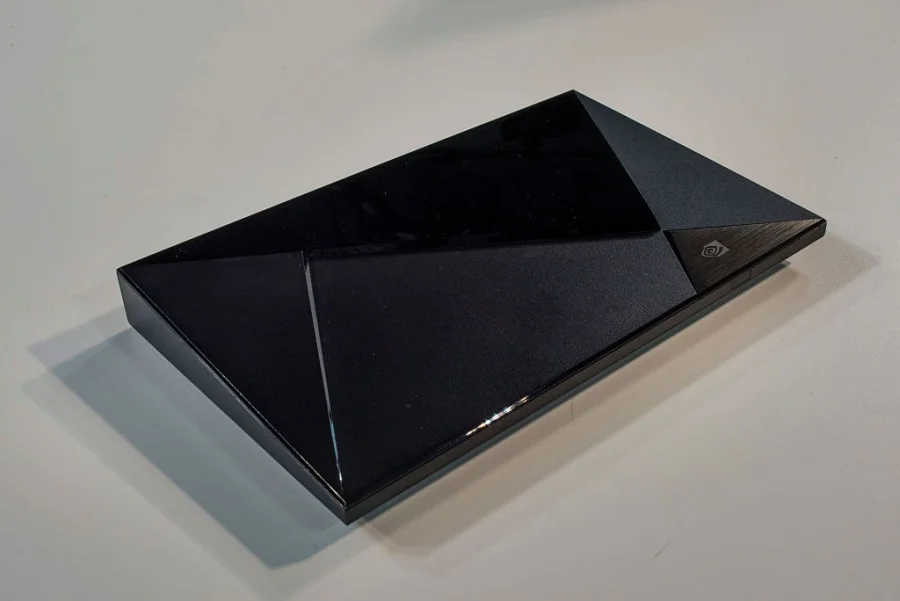
Seven years after it first hit shelves, the Nvidia Shield TV just became more expensive. Not because of a new chip, a redesigned remote, or a software overhaul — but because the cost of the memory inside it has skyrocketed. The device, once a staple for cord-cutters and gamers, now carries a $100 higher price tag, and the reason has almost nothing to do with streaming.
A Streaming Box Caught in the AI Crossfire
The Nvidia Shield TV was never just another streaming stick. When it launched in 2015, it was praised for its powerful Tegra X1 processor, 4K upscaling, and support for GeForce Now cloud gaming. It became a favorite for people who wanted more from their TV than a basic dongle could offer.
But the same memory chips that power the Shield are now in fierce demand from AI data centers. Companies building large language models and AI infrastructure are buying up memory at unprecedented rates, driving prices higher across the board. The result: a seven-year-old streaming device gets a price hike it never asked for.
Why Memory Prices Are Climbing — and Who Pays
AI models need massive amounts of high-bandwidth memory to train and run. As firms like Nvidia, Microsoft, and Google race to build out AI capacity, the global supply of DRAM and NAND flash has tightened. That scarcity doesn't stay contained in server farms. It ripples outward to laptops, smartphones, and yes, streaming boxes.
For consumers, the message is simple: the AI boom isn't just changing what we use — it's changing what we pay for everything else. The Shield TV is an early, visible example of that shift.
What Nvidia Has Said — and What It Hasn't
Nvidia has not issued a detailed public explanation for the price increase. The company has previously acknowledged broader supply chain pressures, but it has not tied the Shield TV hike directly to AI memory demand in any official statement. Without a clear company comment, the link remains reported context rather than confirmed corporate reasoning.
That silence matters. It leaves buyers guessing whether this is a temporary adjustment or a permanent reset of the device's value proposition.
The Real-World Impact on Cord-Cutters and Gamers
For someone who bought a Shield TV in 2019 for $149, paying $100 more today for the same hardware feels like a step backward. The device still offers strong upscaling and cloud gaming, but its age is showing. Competing devices from Roku, Amazon, and Google have caught up in features, often at lower prices.
The hike forces a tough question: is the Shield TV still worth it, or has the AI-driven cost surge made it a luxury for a niche audience?
Confirmed Facts vs. What Remains Unclear
Confirmed: The Nvidia Shield TV has received a $100 price increase. The device is approximately seven years old. Memory costs are rising due to AI demand.
Unclear: Whether Nvidia will adjust pricing again, whether the hike is permanent, and how much of the increase is directly tied to AI memory versus other supply chain factors. No official breakdown has been provided.
Why This Matters Beyond One Streaming Box
The Shield TV is not an isolated case. It's a signal. If memory prices stay high because of AI, older consumer electronics — from smart TVs to budget laptops — could see similar price bumps. The AI revolution is not just a software story. It's a hardware cost story, and consumers are the ones absorbing the bill.
What Readers Can Do Now
If you were planning to buy a Shield TV, it's worth comparing alternatives before committing. Roku Ultra, Amazon Fire TV Cube, and Google TV devices offer similar streaming capabilities, often at lower prices. If you already own a Shield TV, there's no urgent reason to upgrade — the hardware hasn't changed, only the cost.
For investors and industry watchers, the takeaway is broader: memory supply constraints are a real risk to consumer tech pricing through 2025 and beyond.
Future Outlook
If AI demand for memory continues unabated, expect more price adjustments across consumer electronics. Nvidia may eventually refresh the Shield TV line, but for now, the company seems content to let the aging device ride the market. Whether buyers follow is another question.
Our Take
The Nvidia Shield TV price hike is a small but telling example of how the AI boom is reshaping the economics of everyday tech. It's not about innovation — it's about scarcity. And it raises a fair question: how long can companies charge more for the same old hardware before consumers push back?
Frequently Asked Questions
Why did the Nvidia Shield TV price increase by $100?
The increase is linked to rising memory chip costs, which have surged due to high demand from AI data centers. The same memory used in the Shield TV is now more expensive across the industry.
Is the Nvidia Shield TV still worth buying in 2025?
It depends on your needs. The Shield TV still offers strong 4K upscaling and cloud gaming, but at a higher price, competing devices may offer better value for basic streaming.
Will other streaming devices also get more expensive?
Possibly. If memory prices remain high, other manufacturers could adjust prices too. The AI-driven memory shortage affects the entire consumer electronics supply chain.
Did Nvidia release a new Shield TV model?
No. The price hike applies to the existing Shield TV, which launched in 2015 and has not received a major hardware refresh.