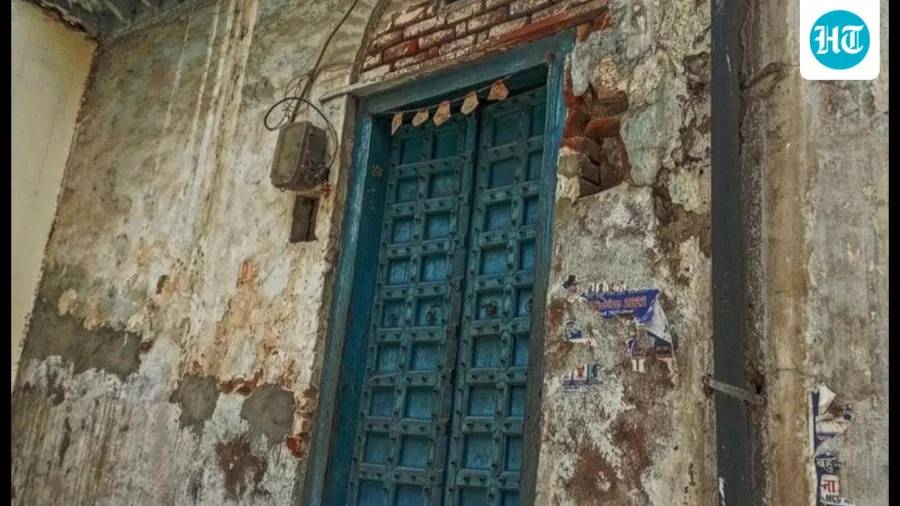
In the heart of Delhi, where concrete and glass now dominate the skyline, a single house once held an entire village together. That house—the iconic bangla of Devli—is now a shadow of its former self, standing as a silent witness to a community’s slow erasure. For generations, this structure was more than a building; it was the emotional and social anchor of Devli, a historic village that has existed long before the capital’s rapid expansion. Today, as urbanization swallows the landscape, the bangla’s neglect mirrors the loss of a way of life that defined this place.
What the bangla meant to Devli’s community
The bangla was not just a residence; it was a gathering point, a symbol of shared identity, and a repository of collective memory. Elders recall how the house hosted festivals, meetings, and celebrations, binding the village together. Its architecture—traditional, with spacious courtyards and intricate details—reflected a time when community life revolved around such landmarks. For Devli’s residents, the bangla represented continuity, a physical link to ancestors and traditions that urbanization now threatens to sever.
Why the loss of this house matters beyond Devli
The erasure of Devli’s bangla is not an isolated story. Across Delhi, historic villages like Devli are being absorbed into the urban sprawl, their cultural landmarks demolished or abandoned. This loss matters because it erases the tangible history of communities that predate the city’s modern identity. For residents, the bangla’s decline is a daily reminder of a fading heritage—a loss of place, memory, and belonging. For the city, it represents a failure to preserve the layers of history that make Delhi unique.
How urbanization reshaped Devli’s landscape
Devli’s transformation began decades ago, as Delhi expanded southward. Farmlands gave way to housing complexes, narrow lanes widened for traffic, and the village’s rural character faded. The bangla, once a proud centerpiece, became an anomaly amid new construction. Without official protection or community resources for restoration, it fell into disrepair. The story of Devli is a microcosm of a larger pattern: rapid development often prioritizes economic growth over cultural preservation, leaving historic sites vulnerable.
Who is affected by Devli’s heritage erasure
The people most affected are Devli’s long-time residents, particularly the elderly who remember the bangla in its prime. For them, the house is a repository of personal and collective history—weddings, festivals, and everyday life. Younger generations, growing up in a transformed Devli, may feel disconnected from this past. The erasure also affects historians, urban planners, and cultural advocates who see such losses as irreversible damage to Delhi’s heritage fabric.
What local voices say about the bangla’s fate
Residents have expressed a mix of nostalgia and resignation. Some recall the bangla as a symbol of unity, while others lament that no one has stepped forward to preserve it. Without official designation as a heritage structure, the house remains vulnerable to neglect or demolition. Local community leaders have informally discussed the need for preservation, but no concrete action has been taken. The silence from authorities underscores a broader gap in heritage protection for Delhi’s historic villages.
Why Devli’s story reflects a wider urban crisis
Devli is one of many historic villages in Delhi facing similar threats. Places like Mehrauli, Hauz Khas, and Shahpur Jat have seen their heritage either commercialized or erased. The bangla’s neglect is a symptom of a system that often fails to recognize the cultural value of non-monumental structures—ordinary houses that hold extraordinary community significance. This pattern raises questions about how cities balance development with preservation, and whose histories are deemed worth saving.
Confirmed facts about the bangla vs what remains unclear
What is known: The bangla in Devli is a historic structure that once served as a community hub. It is now in a state of neglect, with no documented preservation efforts. What remains unclear: The exact age of the house, its original builders, and whether any formal heritage assessment has been conducted. There is no confirmed timeline for its potential restoration or demolition. These gaps highlight the lack of documentation for many such sites.
Risks and balanced view on preservation challenges
Preserving the bangla faces practical hurdles: lack of funding, unclear ownership, and competing development pressures. Some argue that urbanization is inevitable and that resources should focus on more prominent heritage sites. Others counter that losing community landmarks like the bangla erodes social cohesion and historical continuity. A balanced view acknowledges both the difficulty of preservation in a rapidly growing city and the cultural cost of inaction.
Wider trend: The erasure of Delhi’s village heritage
Devli’s story is part of a larger trend across Indian cities, where historic villages are being absorbed into urban expansion. From Gurugram to Bengaluru, similar narratives of cultural loss play out. The bangla’s fate reflects a systemic issue: heritage protection often focuses on grand monuments, while vernacular architecture and community spaces are overlooked. This trend threatens to homogenize urban landscapes, stripping them of local character and history.
What residents and advocates can do now
For those concerned about Devli’s heritage, steps include documenting the bangla’s history through photographs and oral accounts, approaching local heritage bodies like the Indian National Trust for Art and Cultural Heritage (INTACH) for assessment, and raising awareness through community meetings or social media. Residents can also explore whether the structure qualifies for heritage listing under Delhi’s urban development regulations. Advocacy, even at a small scale, can create pressure for preservation.
What could happen next for Devli’s bangla
Without intervention, the bangla may continue to decay or be demolished for redevelopment. However, growing awareness of heritage loss in Delhi could spark renewed interest. If local voices unite and seek official recognition, there is a possibility of restoration or adaptive reuse—turning the house into a community museum or cultural center. The outcome depends on whether the story of the bangla resonates beyond Devli, prompting action from authorities and heritage advocates.
Our Take
The story of Devli’s bangla is a quiet tragedy of urban India—a reminder that progress often comes at the cost of memory. While the house itself may not be a grand monument, its value lies in the lives it held together. Preserving it would not just save a building; it would honor a community’s history and send a message that heritage is not only about palaces and forts, but also about the ordinary spaces that define our shared humanity. For Delhi, a city proud of its layered past, letting the bangla fade would be a loss that cannot be rebuilt.
Frequently Asked Questions
What is the bangla in Devli village?
The bangla is a historic house in Devli, a village in Delhi, that once served as a community gathering place and symbol of local heritage. It is now neglected due to urbanization.
Why is Devli’s bangla important?
The bangla is important because it represents the cultural and social identity of Devli, a historic village facing erasure from rapid urban development. It holds collective memories for residents.
Is the Devli bangla protected as a heritage site?
No, the bangla is not officially listed as a heritage structure, leaving it vulnerable to neglect or demolition without formal preservation efforts.
What can be done to save Devli’s bangla?
Steps include documenting its history, contacting heritage bodies like INTACH for assessment, raising community awareness, and advocating for heritage listing under Delhi’s urban regulations.