For years, Vladimir Putin’s regime seemed immune to the economic fallout of his war in Ukraine. But a former insider now warns that the seeds of his decline may have already been planted—not on the battlefield, but in the chaotic fiscal policies that are unraveling Russia’s financial stability.
The warning from a former central bank advisor
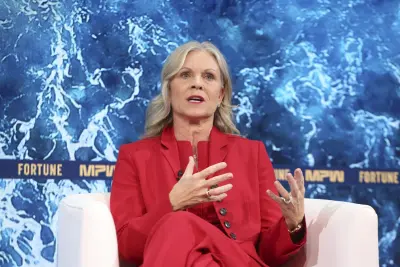
Alexandra Prokopenko, a former advisor to Russia’s central bank and now a fellow at the Carnegie Russia Eurasia Center, has sounded an alarm. In a recent Financial Times op-ed, she argued that the Kremlin’s abandonment of fiscal discipline is a telltale sign of an eventual regime collapse. The war, now in its fifth year, has forced Russia to unwind its long-touted fiscal restraint, a cornerstone of its economic strategy for decades.
How war spending is breaking Russia’s fiscal rules
The most striking evidence, Prokopenko points out, is Russia’s parliament giving the finance ministry a blank check to spend and borrow past its debt ceiling without a formal vote. This move, unprecedented in modern Russian history, signals a breakdown of the fiscal prudence that once insulated the economy from shocks. The costs of fighting the Ukraine war are straining resources, forcing the government to prioritize military spending over social and infrastructure needs.
Why this matters for ordinary Russians
For the average Russian, the consequences are already visible. Fuel-shortage brawls have been reported in some regions, as the war diverts resources away from civilian needs. Military mutiny threats, including the Wagner Group’s brief rebellion in 2023, have exposed cracks in the regime’s control. These are not just isolated incidents—they are symptoms of a system under severe stress, where economic pain is translating into social unrest.
The timeline of fiscal unraveling
Russia’s fiscal discipline was a key pillar of Putin’s economic legacy, with a balanced budget and low debt levels. But the invasion of Ukraine in February 2022 triggered a cascade of sanctions and military costs that have eroded this foundation. By 2024, the budget deficit had widened significantly, and by 2025, the government was borrowing at record levels. The blank-check move in early 2025 marked a point of no return, according to Prokopenko.
Who is affected and what it means
The impact is felt across Russian society. Soldiers and their families face mounting casualties and poor conditions, fueling mutiny threats. Civilians struggle with inflation and shortages, leading to brawls over fuel. The elite, once united behind Putin, are now divided over the war’s costs and the regime’s future. Prokopenko’s analysis suggests that these pressures could eventually force a change in leadership, either through internal coup or popular uprising.
Official response and expert views
The Kremlin has not directly responded to Prokopenko’s op-ed, but its actions speak louder than words. The finance ministry’s blank-check authority was approved without public debate, indicating a desire to avoid scrutiny. Other experts, including economists at the Carnegie Center, have echoed her concerns, noting that Russia’s economic model is unsustainable without a ceasefire or significant policy shift.
What the fiscal chaos really means
Prokopenko’s argument is not just about numbers—it’s about power. Fiscal discipline was a tool of control, signaling stability to investors and the public. Its abandonment suggests that the Kremlin is running out of options, prioritizing short-term war survival over long-term stability. This could erode the very foundations of Putin’s rule, as elites and citizens lose faith in the regime’s ability to manage the economy.
Confirmed facts vs what remains unclear
What is confirmed: Russia’s parliament has given the finance ministry authority to spend and borrow past the debt ceiling. Fuel shortages and brawls have been reported in some regions. Military mutiny threats, including the Wagner rebellion, are documented. What remains unclear: whether these pressures will lead to regime change, and when. Prokopenko’s analysis is a warning, not a prediction, and the timeline for any collapse is uncertain.
Risks and a balanced view
Critics of Prokopenko’s thesis argue that Putin’s regime has survived worse crises, including the 1998 default and the 2014 sanctions. The security apparatus remains loyal, and the public has shown resilience in the face of hardship. However, the combination of fiscal chaos, military mutiny, and social unrest is unprecedented, and even loyalists may turn if the economy deteriorates further.
The wider pattern of regime vulnerability
This story fits a broader pattern of authoritarian regimes collapsing under economic strain. From the Soviet Union’s collapse in 1991 to more recent examples in Venezuela, fiscal mismanagement combined with war spending has often triggered internal upheaval. Russia’s current trajectory mirrors these historical precedents, though the outcome remains uncertain.
What Russians and observers should watch
For those inside Russia, the key indicators are fuel prices, military morale, and elite loyalty. For international observers, the focus should be on fiscal data, including debt levels and budget deficits, as well as signs of internal dissent. Prokopenko advises paying attention to any further erosion of fiscal rules, which could signal a deeper crisis.
What could happen next
The most likely scenario, according to Prokopenko, is a gradual erosion of Putin’s power, rather than a sudden collapse. Continued war spending could lead to hyperinflation or a debt crisis, forcing the government to make painful choices. A military mutiny or elite coup could accelerate the timeline, but the regime’s security apparatus remains a barrier. The next few years will be critical.
Our Take
Prokopenko’s warning is significant because it comes from an insider who understands Russia’s fiscal machinery. While the regime has shown resilience, the abandonment of fiscal discipline is a red flag that cannot be ignored. This story matters not just for Russia, but for global stability—a collapsing nuclear-armed state would have far-reaching consequences. The seeds of decline may have been planted, but whether they will sprout depends on factors beyond economics, including military dynamics and elite politics.
Frequently Asked Questions
What did the former Russian central bank advisor say about Putin’s regime?
Alexandra Prokopenko warned that the end of Putin’s regime could spring from war spending chaos, as the Kremlin abandons fiscal discipline to fund the Ukraine war, leading to internal instability.
How is war spending affecting Russia’s economy?
The war has forced Russia to unwind its fiscal restraint, with parliament giving the finance ministry a blank check to spend and borrow past its debt ceiling, straining resources and causing fuel shortages.
What are the signs of internal instability in Russia?
Signs include military mutiny threats, such as the Wagner Group rebellion, and fuel-shortage brawls in some regions, indicating social unrest from economic strain.
Could Putin’s regime really collapse from fiscal chaos?
Prokopenko argues that fiscal chaos, combined with mutiny threats and social unrest, could seed a decline, but the timeline is uncertain and the regime’s security apparatus remains strong.