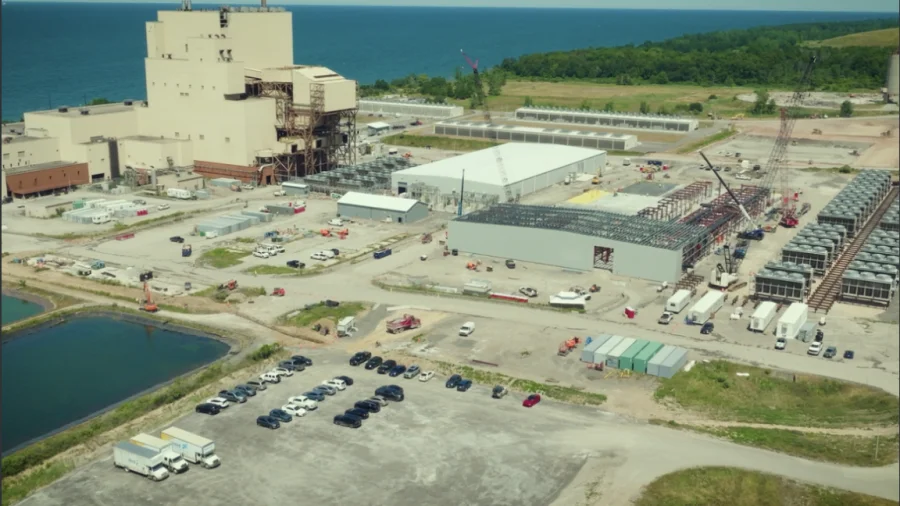
When the alarm never sounded, the fire was already consuming a building that wasn't supposed to burn. By the time firefighters arrived at the Lake Mariner data center in Somerset, New York, they were walking into more than a blaze — they were walking into a maze of corporate complexity, safety gaps, and questions no one had answered.
A Fire That Exposed What Firefighters Didn't Know
The fire broke out in early June in a still-unfinished building at the site, which is being transformed from a former coal mine into a massive AI data center campus. But the immediate danger wasn't just the flames — it was the unknown.
Firefighters reportedly found no working alarm, no suppression system, and three dead hydrants. The safety documents they're legally entitled to see reportedly burned up in the blaze, leaving crews to face heavy black smoke from chemicals they couldn't identify.
Why This Fire Matters Beyond the Flames
This isn't just a story about a fire at a construction site. It's about what happens when billion-dollar technology projects outpace the safety infrastructure of the communities hosting them.
The Lake Mariner facility is part of a $3.2 billion AI data center investment — a project that promises economic transformation for Somerset, a small town in upstate New York. But that promise comes with risks that local fire departments may not be equipped to handle.
The Corporate Web Behind the $3.2 Billion Project
The scale of the investment is matched by the complexity of its corporate structure. The site, a former coal mine, is being developed into a data center campus designed to power AI workloads — a sector that demands enormous energy and computing resources.
But who exactly is responsible for safety at the site? That question is at the heart of the concerns raised by the fire. With multiple entities potentially involved in ownership, construction, and operation, accountability can become fragmented.
What Firefighters Faced: A Firsthand Account
Steve Matisz, chief of the Barker Fire Department, didn't mince words about the danger his crew encountered. He said his team went into the building "kind of blind," facing heavy black smoke from chemicals they couldn't identify.
"It's been a difficult situation," Matisz said. He also expressed skepticism about the claim that the safety sheets had burned in the fire — a detail that raises further questions about what exactly happened on site.
The Legal Right to Know: Safety Documents That Disappeared
Under U.S. regulations, firefighters have a legal right to access safety data sheets — documents that detail the chemicals present at a facility and how to handle them in an emergency. These sheets are meant to be readily available, not locked away or vulnerable to destruction.
The fact that they reportedly burned raises serious concerns about compliance and preparedness. If firefighters can't access critical information during an emergency, they're forced to make life-or-death decisions without the facts they need.
Confirmed Facts vs What Remains Unclear
What's confirmed: A fire occurred in early June at the unfinished Lake Mariner data center. Firefighters found no working alarm, no suppression system, and three dead hydrants. Chief Matisz described his crew entering the building "kind of blind."
What remains unclear: The exact cause of the fire, the full extent of the damage, which chemicals were involved, and whether the safety sheets truly burned or were otherwise unavailable. The corporate entities responsible for safety compliance at the site have not been fully identified in public reporting.
Why the Corporate Structure Matters for Public Safety
When a project is backed by billions of dollars and involves multiple layers of ownership and contractors, safety oversight can fall through the cracks. Each entity may assume another is handling compliance, leaving gaps that only become visible in an emergency.
For local fire departments, this creates a dangerous reality: they're expected to protect their communities from risks they don't fully understand, at facilities they didn't build and may not have been consulted on.
Risks and Concerns: The Human Cost of AI Infrastructure
The push to build AI data centers is accelerating globally, driven by the insatiable demand for computing power. But this rapid expansion raises critical questions about the burden placed on local communities.
Fire departments in rural areas like Somerset are often volunteer-based and underfunded. They're now being asked to respond to complex industrial incidents involving chemicals, high-voltage systems, and massive computing infrastructure — without necessarily having the training, equipment, or information required.
The Broader Pattern: Data Centers and Community Oversight
This incident is not isolated. As data centers proliferate across the United States, communities are increasingly grappling with the gap between corporate ambitions and local oversight. From water usage to energy demands to emergency preparedness, the questions are mounting.
The Lake Mariner fire is a stark reminder that these facilities don't exist in a vacuum — they're embedded in communities that must be able to respond when things go wrong.
What Local Residents and Officials Should Do Now
For residents of Somerset and similar communities, the takeaway is clear: ask questions before a crisis, not after. Local officials should demand transparency from data center operators about safety protocols, chemical storage, and emergency response plans.
Fire departments should insist on access to safety data sheets and conduct joint drills with facility operators. The legal right to this information is meaningless if it isn't exercised before an emergency.
What Happens Next: The Road to Accountability
The investigation into the fire is ongoing, and the full picture of what went wrong — and who is responsible — has yet to emerge. What's certain is that this incident will likely prompt scrutiny of the Lake Mariner project and potentially influence how similar facilities are regulated.
For the AI industry, the fire serves as a cautionary tale: the race to build the future cannot come at the cost of basic safety and community trust.
Our Take
The Lake Mariner fire is more than a local news story — it's a warning sign for the entire AI infrastructure boom. When firefighters enter a billion-dollar facility "blind," it signals a systemic failure of communication and oversight.
The corporate web behind these projects may be complex, but safety shouldn't be. Communities hosting data centers deserve clarity about who is responsible for their protection. Until that clarity exists, every fire at every facility is a gamble — and this time, the firefighters were the ones left in the dark.
Frequently Asked Questions
What happened at the Lake Mariner data center?
A fire broke out in early June in a still-unfinished building at the Lake Mariner data center in Somerset, New York. Firefighters found no working alarm, no suppression system, and three dead hydrants. The facility is part of a $3.2 billion AI data center project built on a former coal mine site.
Why were firefighters unprepared for the fire?
Firefighters reportedly lacked access to safety data sheets that detail chemicals on site — documents they're legally entitled to see. These sheets reportedly burned in the fire. Chief Steve Matisz said his crew entered the building "kind of blind," unable to identify the chemicals producing heavy black smoke.
What is the corporate structure behind the $3.2 billion AI data center?
The full corporate structure has not been publicly detailed, but the project involves multiple entities typical of large-scale data center developments — including ownership, construction, and operational layers. This complexity can fragment accountability for safety compliance.
What should communities hosting data centers demand from operators?
Communities should demand transparency about safety protocols, chemical storage, and emergency response plans. Fire departments should insist on access to safety data sheets and conduct joint emergency drills with facility operators before incidents occur, not after.