When a company raises billions in a single day, the world watches. But history shows that the biggest IPOs in history don't always become the best investments. Some soared. Others stumbled. And a few — like Saudi Aramco — raised records but left investors questioning the returns.
What Defines the Biggest IPOs in History
The largest IPOs are measured by the amount of capital raised at listing, not by market cap or post-debut performance. Saudi Aramco holds the global record, raising $29.4 billion in 2019. Alibaba’s $25 billion IPO in 2014 remains the largest by a tech company. SoftBank’s $23.5 billion listing of its mobile unit followed. Visa raised $19.7 billion in 2008, and Facebook raised $16 billion in 2012.
Why These IPOs Mattered Beyond the Money
Each of these IPOs marked a turning point. Alibaba signaled China’s tech rise. Saudi Aramco represented the world’s most valuable oil company going public. Facebook’s debut was a watershed for social media. Visa’s listing came during the financial crisis. These weren’t just fundraises — they were economic signals.
How the Biggest IPOs Performed After Listing
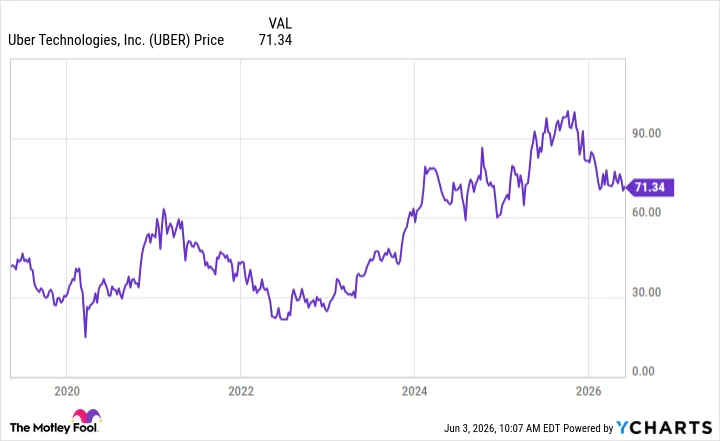
Performance tells a more complex story. Alibaba shares more than doubled in the years after its IPO, though regulatory crackdowns later hit the stock. Visa gained over 400% since its 2008 debut, making it one of the best performers among large IPOs. Facebook initially flopped — falling below its IPO price for months — before becoming a multi-bagger. Saudi Aramco’s stock has been relatively flat, weighed by oil price volatility. Uber and Rivian, both among the largest U.S. IPOs, lost significant value post-listing.
The Human Impact: What Investors Learned
For retail investors, the lesson is clear: a big IPO doesn’t mean a safe bet. Many who bought Facebook on day one saw losses before gains. Those who chased Uber’s hype faced prolonged declines. The biggest IPOs in history often attract maximum hype — and maximum risk. Long-term investors who waited for clarity often fared better.
What Underwriters and Companies Say
Investment banks like Goldman Sachs, Morgan Stanley, and JPMorgan typically lead these mega-IPOs. They price shares based on demand, market conditions, and company valuation. Companies often accept a lower IPO price to ensure a strong debut, but aftermarket performance depends entirely on earnings, competition, and macroeconomic factors. As CNBC reported, SpaceX’s potential $75 billion IPO would dwarf all previous records — but its performance will depend on execution, not just size.
Why Some IPOs Succeed and Others Fail
The difference often comes down to business fundamentals. Visa and Alibaba had strong revenue models and market dominance. Facebook had a massive user base but uncertain monetization at IPO. Saudi Aramco’s valuation was tied to oil prices beyond its control. Uber and Rivian faced profitability challenges. The pattern: IPOs backed by durable competitive advantages tend to outperform those driven by hype alone.
Confirmed Facts vs What Remains Unclear
Confirmed: Saudi Aramco raised $29.4B, Alibaba $25B, SoftBank $23.5B, Visa $19.7B, Facebook $16B. Post-IPO performance data is publicly available. Unclear: Whether SpaceX will actually list at $75B or higher, and how it will perform. Speculation: Some analysts believe mega-IPOs are increasingly overpriced, but this is not proven.
Company Moat: What Made These Giants Different
Visa’s network effect — every new merchant and cardholder strengthens the system — gave it pricing power. Alibaba’s ecosystem of e-commerce, cloud, and payments created a moat. Facebook’s social graph was nearly impossible to replicate. Saudi Aramco’s moat is its low-cost oil reserves. Uber and Rivian lacked comparable defensibility at IPO time.
Risks and Balanced View
Critics argue that mega-IPOs often benefit insiders and early investors more than the public. Underpricing — leaving money on the table — is common. Post-IPO lockup expirations can flood the market with shares. Regulatory risks, especially for Chinese tech and oil companies, remain significant. Not all big IPOs are good investments.
The Wider Trend: Mega-IPOs Are Getting Bigger
The trend is toward larger and larger IPOs. Saudi Aramco broke Alibaba’s record. SpaceX could break Saudi Aramco’s. Private companies are staying private longer, raising more capital before listing. This concentrates risk: when a mega-IPO stumbles, it affects entire indices and investor sentiment.
Practical Guidance for Investors
Don’t buy an IPO just because it’s big. Research the company’s fundamentals, competitive moat, and valuation. Wait for the lockup period to expire. Consider dollar-cost averaging rather than buying on day one. Historical data shows that patience often rewards IPO investors more than hype.
Future Outlook
SpaceX’s potential IPO could redefine the record books. But its success will depend on Starship development, Starlink profitability, and space market growth. Other candidates like Stripe, Databricks, and ByteDance could also join the list. The biggest IPOs in history will keep getting bigger — but the lessons from past performance will remain the same.
Our Take
The biggest IPOs in history are fascinating case studies in market psychology, valuation, and timing. They raise enormous capital but don’t guarantee returns. For Indian and global investors, the key takeaway is simple: size is not a strategy. Fundamentals, moats, and patience matter more than the headline number. As SpaceX prepares to break records, the smartest money will watch — and wait.
Frequently Asked Questions
What is the biggest IPO in history?
Saudi Aramco’s 2019 IPO raised $29.4 billion, making it the largest in history. Alibaba’s 2014 IPO is second at $25 billion.
Which big IPO performed best after listing?
Visa, which raised $19.7 billion in 2008, has gained over 400% since its IPO. Alibaba and Facebook also delivered strong long-term returns despite early volatility.
Did Facebook’s IPO perform well?
Initially, no. Facebook’s IPO in 2012 was marred by technical glitches and fell below its $38 price. However, it later recovered and became a multi-bagger for long-term holders.
Is SpaceX going to be the biggest IPO ever?
According to CNBC, SpaceX could raise $75 billion or more, which would make it the largest IPO in history. However, the listing has not yet occurred and details remain uncertain.