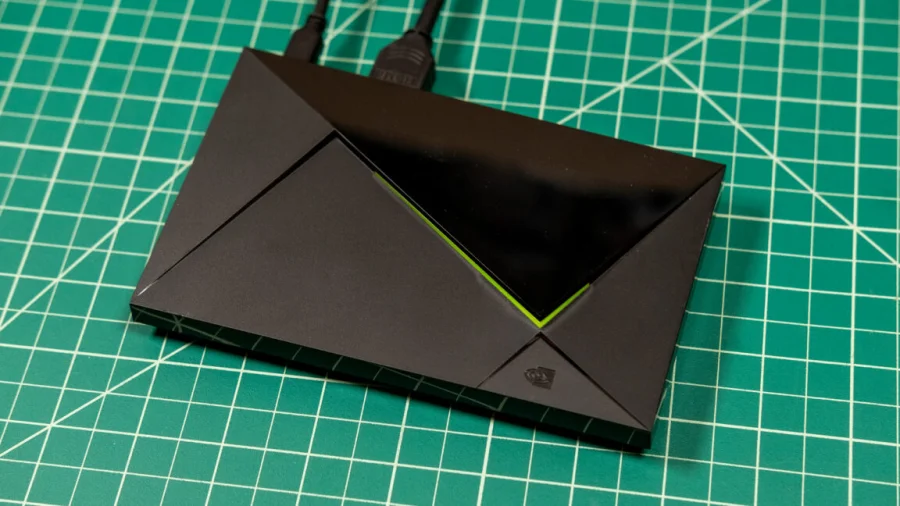
A streaming box that first hit shelves in 2019 just became $100 more expensive. Nvidia has raised the price of the Shield TV Pro from $199.99 to $299.99 — effective immediately — and the reason has nothing to do with new features or a hardware refresh.
The culprit is the AI boom. As data centers guzzle memory and storage to train and run generative AI models, component costs are climbing across the board. Even a seven-year-old device with aging internals isn't immune.
Why a 2019 Device Costs More in 2026
The Shield TV Pro runs on Nvidia's Tegra X1+ processor, a chip that was already mature when the device launched. It supports Android TV, AI upscaling, and hardware decoding for nearly every media format — capabilities that made it a favorite among home theater enthusiasts.
But the components that surround that processor — RAM and flash storage — are the same categories now in fierce demand from AI infrastructure. When memory prices rise, they rise for everyone, including makers of older consumer hardware.
The AI Supply Chain Squeeze Reaches Your Living Room
For years, the AI boom was framed as a data center story: GPUs, servers, and cloud contracts. That framing is now outdated. The same supply pressures are filtering down to everyday gadgets.
Nvidia's price hike is a clear signal. If a company can charge more for a seven-year-old streaming box and still sell it, the economics of consumer electronics are shifting in real time.
What Nvidia Has Said — And What It Hasn't
Nvidia confirmed the price change and pointed to rising memory and storage costs as the driver. The company has not announced a successor device or a hardware refresh.
The non-Pro Shield TV, which launched alongside the Pro at $149.99, has already been discontinued. That leaves the Shield TV Pro as the sole surviving model in the lineup — now at its highest price ever.
Who Feels This Most
Home theater enthusiasts and cord-cutters who relied on the Shield TV Pro for its format support and upscaling will feel the pinch. At $299.99, it now competes directly with newer, more powerful streaming devices and even entry-level mini PCs.
For budget-conscious buyers, the value proposition has weakened considerably. The hardware hasn't changed — only the price tag.
Confirmed Facts vs. What Remains Unclear
Confirmed: The price is now $299.99. The increase is $100. Nvidia attributes it to memory and storage costs. The device's hardware is unchanged from its 2019 debut.
Unclear: How long the higher price will last. Whether Nvidia plans a replacement. Whether other consumer electronics makers will follow with similar hikes.
The Broader Pattern: AI Is Rewriting Consumer Tech Pricing
This isn't an isolated case. Across the industry, memory and storage prices have been rising as AI workloads absorb supply. Smartphones, laptops, and now streaming boxes are all exposed to the same pressure.
The unwritten rule for 2026 is simple: if it has memory or storage, it's getting more expensive. The Shield TV Pro is just the latest example.
What Buyers Should Do Now
If you already own a Shield TV Pro, there's no urgent reason to act — the hardware is the same as it was yesterday. If you were considering buying one, it's worth comparing alternatives before committing at the new price.
Newer streaming devices from Google, Amazon, and Roku may offer better value for most users, even if they lack the Shield's niche format support.
What Could Happen Next
If memory and storage costs stay elevated, more older devices could see price increases — or quiet discontinuations. Nvidia has not signaled whether the Shield TV Pro will be refreshed or retired.
For now, the message is clear: the AI boom isn't just building data centers. It's changing what you pay for the tech in your living room.
Our Take
The Shield TV Pro's price hike is a small story with a large implication. It shows that the AI supply crunch has moved beyond enterprise hardware and into the consumer market — and that even legacy products aren't shielded from it.
For Nvidia, the move is pragmatic. For buyers, it's a reminder that in 2026, the cost of AI is being passed down to everyone.
Frequently Asked Questions
Why did the Nvidia Shield TV Pro price increase?
Nvidia raised the price by $100 due to rising memory and storage costs driven by AI demand. The hardware itself is unchanged.
How much does the Shield TV Pro cost now?
The Shield TV Pro now costs $299.99, up from $199.99.
Is the non-Pro Shield TV still available?
No. The non-Pro Shield TV, which launched at $149.99, has been discontinued. Only the Shield TV Pro remains on sale.
Will other streaming devices get more expensive too?
It's possible. Any device that relies on memory or storage could see price increases if AI-driven demand keeps supply tight.