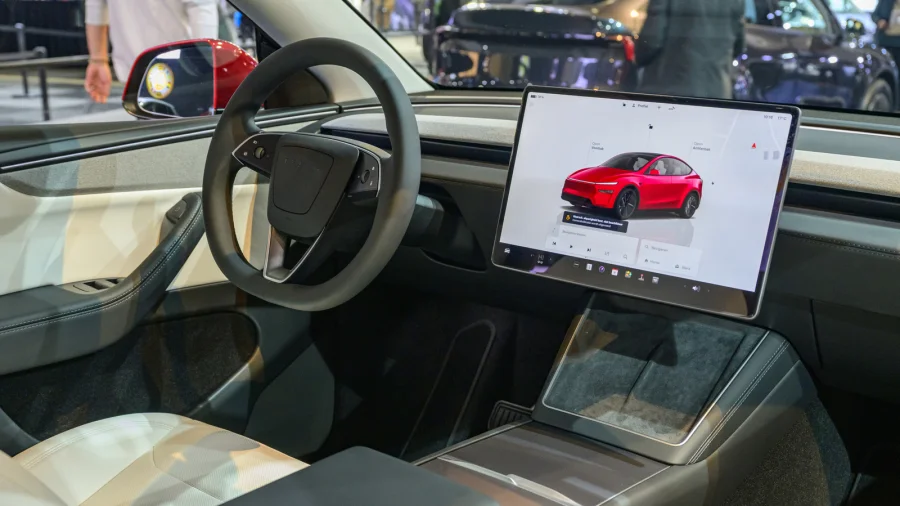
Tesla has quietly settled a wrongful death lawsuit over a 2023 crash in Arizona that killed a pedestrian — the first known fatal incident involving the company's Full Self-Driving (FSD) software. The settlement, filed in court on June 26, 2026, comes as federal regulators investigate whether Tesla's driver-assistance systems are fundamentally unsafe.
The Crash That Changed the Conversation
On a suburban road in Arizona in 2023, a Tesla Model Y operating on Full Self-Driving mode struck and killed a pedestrian. The victim's family sued Tesla, alleging that the FSD software was defective and that the company had misled consumers about its capabilities. The case was closely watched because it was the first known pedestrian death involving FSD, a system Tesla markets as capable of "full self-driving" but which still requires driver supervision.
Why This Settlement Matters Beyond One Family
The settlement avoids a public trial that could have forced Tesla to disclose internal safety data, engineering decisions, and communications about FSD's limitations. For the family, it provides closure. For the broader public, it leaves unanswered questions about whether Tesla's technology is safe enough for real-world roads. The case also adds pressure on regulators, who are already examining whether Tesla's marketing of FSD and Autopilot creates a false sense of security.
How We Got Here: A Timeline of FSD Safety Concerns
Since 2016, Tesla has faced multiple lawsuits and investigations over crashes involving its driver-assistance systems. The 2023 Arizona crash was different because it involved FSD — a more advanced system than the earlier Autopilot. In 2024, Tesla settled a separate lawsuit over a 2018 fatal crash involving Autopilot in California. The Arizona case was seen as a potential landmark for FSD liability. The NHTSA opened a formal defect investigation into FSD and Autopilot in 2024, covering 3.2 million Tesla vehicles.
Who Is Affected by This Case
Every Tesla owner using FSD or Autopilot is affected. If regulators find the systems defective, a recall could force software changes or hardware upgrades. Pedestrians and cyclists in areas with heavy Tesla traffic also face heightened risk. Investors are watching closely: a negative regulatory outcome could hit Tesla's valuation, which is heavily tied to promises of full autonomy.
What Regulators and Tesla Have Said
Neither Tesla nor the plaintiff's attorneys have commented on the settlement terms. The case was dismissed with prejudice. The NHTSA has not issued a final ruling but has said its investigation is ongoing. Tesla has consistently maintained that its systems are safe when used correctly and that drivers must remain attentive. Critics argue that the name "Full Self-Driving" misleads consumers into over-relying on the technology.
What the Settlement Means for Tesla's Self-Driving Ambitions
The settlement removes an immediate legal threat but does not resolve the deeper regulatory and reputational challenges. Tesla's long-term vision — robotaxis, autonomous fleets, and a fully self-driving future — depends on public trust and regulatory approval. Each fatal crash erodes that trust. The NHTSA investigation could force Tesla to prove that FSD is safe, not just claim it.
Confirmed Facts vs What Remains Unclear
Confirmed: The crash occurred in Arizona in 2023. The vehicle was operating on Full Self-Driving software. A pedestrian died. Tesla settled the lawsuit in June 2026. The NHTSA investigation covers 3.2 million vehicles. Unclear: The settlement amount. Whether Tesla admitted any fault. Whether the driver was paying attention at the time of the crash. What specific FSD version was in use. Whether the NHTSA probe will lead to a recall.
Why Tesla's Technology Is Different from Competitors
Tesla's approach to self-driving relies on cameras and neural networks, not lidar or radar used by rivals like Waymo and Mercedes-Benz. This makes FSD cheaper to deploy but potentially less reliable in poor visibility or complex scenarios. Tesla also updates its software over the air, meaning a fix can be pushed to millions of cars — but so can a flawed update. The company's vast fleet of vehicles collecting real-world data gives it a unique advantage in training its AI, but also means more data on crashes.
Risks and Balanced View
Tesla supporters argue that FSD is already safer than the average human driver in many conditions and that isolated crashes should not overshadow the technology's potential to reduce overall road deaths. Critics counter that Tesla's marketing overpromises and that the company has resisted independent safety testing. The settlement does not prove the system was defective, but it also does not exonerate it. The NHTSA investigation will be the true test.
The Bigger Picture: Self-Driving Cars Under Scrutiny
The Tesla case is part of a wider reckoning for autonomous vehicle technology. Waymo and Cruise have faced their own regulatory battles. The industry is caught between the promise of saving lives and the reality of imperfect systems. Regulators worldwide are struggling to set standards for a technology that evolves faster than the law. The Arizona settlement is a reminder that every mile of autonomous driving is a test — and some tests end in tragedy.
What Tesla Owners and Pedestrians Should Know
If you own a Tesla with FSD, stay attentive and keep your hands on the wheel. Do not treat FSD as a true self-driving system. If you are a pedestrian or cyclist, be aware that vehicles with driver-assistance systems may not always detect you, especially at night or in complex intersections. For investors, the NHTSA probe is the key risk to watch. A recall could be costly, but a clean bill of health could boost confidence.
What Happens Next
The NHTSA investigation is expected to conclude within months. Possible outcomes include: a finding of no defect, a voluntary recall by Tesla, or a forced recall. Separately, more lawsuits are likely. Tesla's robotaxi event, planned for later this year, may be delayed or scaled back if regulatory pressure mounts. The settlement buys Tesla time, but the clock is ticking on the NHTSA probe.
Our Take
The quiet settlement of this lawsuit is a strategic move by Tesla to avoid a damaging trial, but it does not make the problem go away. The NHTSA investigation into 3.2 million vehicles is the real story. If regulators find that FSD has a systemic safety flaw, the consequences could be far-reaching — not just for Tesla, but for the entire autonomous vehicle industry. For now, the family of the victim has some closure, but the public still lacks answers about whether FSD is safe enough to share the road.
Frequently Asked Questions
Did Tesla admit fault in the settlement?
No. The settlement was reached without any admission of liability by Tesla. The case was dismissed with prejudice, meaning it cannot be refiled, but the terms were not disclosed.
What is the NHTSA investigation about?
The National Highway Traffic Safety Administration is investigating whether Tesla's Full Self-Driving and Autopilot systems have adequate safety safeguards. The probe covers 3.2 million Tesla vehicles and could lead to a recall or mandatory software updates.
Is Full Self-Driving safe to use?
Tesla says FSD is safe when used with an attentive driver. However, multiple fatal crashes have occurred while the system was active. Regulators and safety advocates argue that the name "Full Self-Driving" misleads drivers into over-relying on the technology.
What should I do if I own a Tesla with FSD?
Always keep your hands on the wheel and stay ready to take control. Do not treat FSD as a true self-driving system. Follow all local traffic laws and remain attentive at all times.