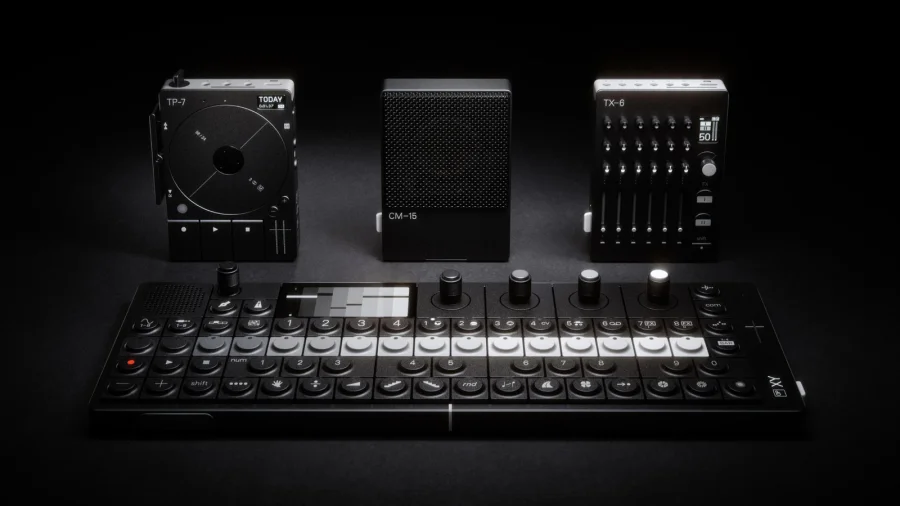
For a generation of bedroom producers, Teenage Engineering wasn't just a brand — it was a personality. The OP-1, with its aluminium body and playful screen, became the synth you bought when you wanted gear that felt like a toy and worked like a tool. Now the Swedish company says it's walking away from synths altogether, to focus on... whatever it feels like.
That vagueness is the story. There's no roadmap, no replacement category, no farewell product. Just a signal that the thing that made Teenage Engineering famous is no longer the thing it wants to make.
A Brand Built on Beautiful, Expensive Toys
Teenage Engineering earned its reputation by treating music hardware like design objects. The OP-1, the Pocket Operators, the OP-Z — each one arrived with a distinct look and a price tag that made people argue in comment sections for years.
That tension was the point. The company sold scarcity, aesthetics, and a sense of belonging to a very specific kind of creative person. Synths were the vehicle, but the brand was the product.
Why Walking Away From Synths Is a Real Risk
Synths are what customers know. They're what reviewers cover, what forums argue about, and what keeps the secondhand market alive. Stepping back from that category means stepping away from the most reliable reason people talk about the company at all.
For a business built on cult appeal, silence is dangerous. Fans forgive weird products. They rarely forgive being left without a clear answer about what happens next.
What Owners Are Actually Worried About
If you own an OP-1 or a Pocket Operator, the practical questions arrive fast. Will firmware updates continue? Will repairs still be possible? Will spare parts dry up?
None of that has been confirmed either way. What's clear is that when a company stops making a product line, support tends to follow it out the door — slowly, then all at once.
The Secondhand Market Will Feel It First
Resale prices for Teenage Engineering gear have always been strange. Limited runs and long wait times pushed used units close to retail. A formal exit from synths could push prices up in the short term as collectors panic-buy, then down once the hype fades.
Buyers should treat any spike as speculation, not value. Nothing about the company's direction guarantees these devices become more useful over time.
What "Whatever It Feels Like" Actually Means
The phrase is playful, but it's also a strategy. Teenage Engineering has always positioned itself as a design studio that happens to make music gear — not a music gear company that happens to design well.
That framing gives it permission to move into furniture, accessories, collaborations, or categories nobody's guessing yet. It also gives it cover to avoid committing to anything specific.
Confirmed Facts vs What Remains Unclear
Confirmed: The company has signalled it will stop making synths and pivot to unspecified projects.
Unclear: Whether existing products will still receive support, whether production has already stopped, whether any final synth product is planned, and what the company will actually make instead. Any claim beyond the stated direction is speculation.
The Moat Teenage Engineering Is Betting On
Most hardware companies compete on specs. Teenage Engineering competes on taste. Its advantage isn't a chip or a patent — it's a design language and a community that treats ownership as identity.
That moat travels. It can attach to almost any product category, which is exactly why the company can afford to abandon synths without abandoning its audience.
The Risks Nobody at the Company Is Talking About
Design-led brands are fragile when they lose their anchor product. Without synths, Teenage Engineering becomes a studio with a fanbase and no flagship. That's a harder sell than it sounds.
There's also the question of credibility. Musicians trusted the company because it understood their workflow. Move too far from that, and the trust doesn't automatically follow.
A Wider Pattern in Music Tech
Teenage Engineering isn't the first hardware brand to drift from its roots. Across the industry, companies are chasing lifestyle positioning, collaborations, and software subscriptions as hardware margins tighten.
The synth market is crowded, expensive to manufacture for, and increasingly software-driven. Walking away isn't irrational — it's just unusually honest about it.
What Readers and Owners Should Do Now
If you're considering buying Teenage Engineering gear, buy it for what it does today, not for what the company might support tomorrow. Don't pay a premium based on exit rumours.
If you already own one, back up your projects, register your device if you haven't, and keep an eye on official channels for any support statement. Practical steps beat panic.
What Happens Next
The company will eventually have to say something concrete — either a new product category, a formal end-of-life notice for synths, or both. Until then, the ambiguity is doing the marketing work.
Watch for official announcements rather than forum speculation. That's where the real answer will land.
Our Take
Teenage Engineering has always been more interested in being interesting than being predictable. Walking away from synths is consistent with that — and that's precisely what makes it risky.
The brand has earned the right to experiment. What it hasn't earned is the assumption that its audience will follow it anywhere. That has to be re-earned, product by product.
Frequently Asked Questions
Is Teenage Engineering really stopping synth production?
The company has signalled it will stop making synths and shift to unspecified projects. No confirmed end date or formal end-of-life notice has been verified.
Will the OP-1 still be supported?
That hasn't been confirmed. Owners should watch official channels for any statement on firmware updates, repairs, and spare parts.
Should I buy Teenage Engineering gear now?
Buy it for what it does today. Don't pay inflated prices based on speculation about the company's exit from synths.
What will Teenage Engineering make instead?
Nothing specific has been confirmed. The company has framed the shift as open-ended, which suggests a design-led pivot rather than a defined product roadmap.