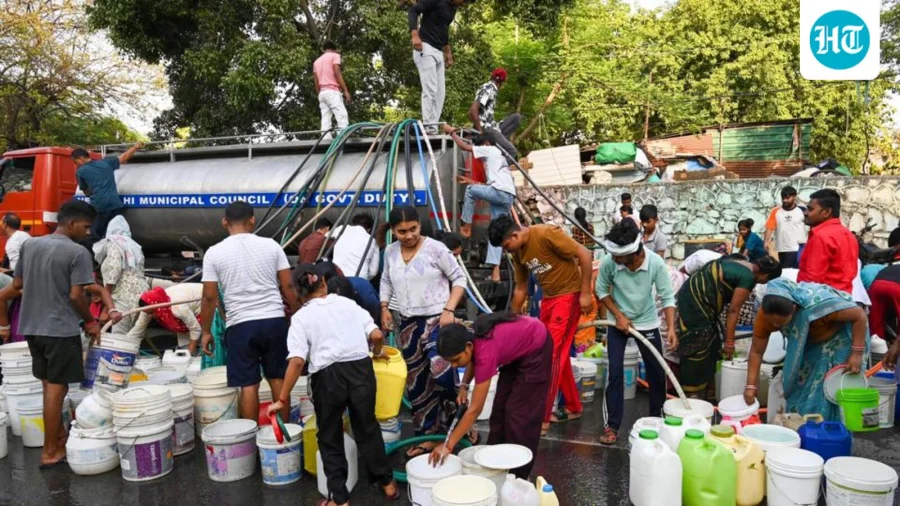
For thousands of families across Delhi, the search for a single bucket of water has become a daily battle — one that many are losing. As a brutal heatwave tightens its grip on the capital, residents say the city’s water tanker system is failing them, and the helplines meant to offer relief are ringing unanswered. The frustration is no longer a whisper; it is a collective cry from neighborhoods where taps have run dry and hope is evaporating under the scorching sun.
When the Tanker Doesn't Come — and No One Answers the Call
The Delhi Jal Board (DJB) operates a fleet of water tankers meant to supplement supply in areas hit hardest by shortages. But residents across several colonies report that these tankers are arriving late, delivering far less water than promised, or not showing up at all. When they try to call the designated helplines to register a complaint or request a new supply, they are met with a frustrating silence — calls that go unanswered or get dropped.
“We have been calling the helpline for three days. No one picks up. The tanker comes once in two days, and when it does, there is not enough water for everyone,” a resident of a south Delhi colony told reporters, reflecting a sentiment shared by many.
Why This Matters Right Now
This is not just an inconvenience. In the middle of a heatwave, with temperatures crossing 40 degrees Celsius, water is not a luxury — it is a lifeline. Families are struggling to cook, clean, and stay hydrated. Children and the elderly are most vulnerable. The failure of the tanker system and the helplines means that the most basic safety net for water-scarce neighborhoods has collapsed. For thousands of households, every day is a fight for survival, and every unanswered call deepens the sense of abandonment.
How the Crisis Unfolded
Delhi’s water woes are not new, but they have been dramatically worsened by the ongoing heatwave and a reduction in raw water supply from neighboring states. The DJB has been forced to ration supplies, and tankers have become the primary source for many areas. However, reports of mismanagement, insufficient fleet size, and poor coordination have plagued the system. The recent surge in complaints has pushed the issue to a breaking point, forcing the government to take notice.
Who Is Affected and What Officials Are Saying
The crisis is most acute in unauthorised colonies, JJ clusters, and low-income neighborhoods where piped water supply is already irregular. Residents, often women who bear the brunt of water collection, spend hours waiting in long queues, sometimes returning empty-handed. The Delhi government has acknowledged the severity of the situation. Officials have stated that a review of the tanker operations and helpline infrastructure is underway, and steps are being taken to improve response times. However, for those on the ground, these promises offer little immediate relief.
What We Know So Far — and What Remains Unclear
What we know: Residents across multiple Delhi localities are reporting inadequate tanker supply and unresponsive helplines. The government has confirmed it is reviewing the system. The heatwave is exacerbating the water shortage.
What remains unclear: The exact number of affected households, the specific reasons for the helpline failures (whether it is a capacity issue or a technical glitch), and a concrete timeline for when the situation will improve. It is also unclear if the government’s review will lead to immediate, tangible changes on the ground.
Risks, Concerns, and the Balanced View
The immediate risk is a public health crisis. Dehydration, heatstroke, and waterborne diseases become more likely when access to clean water is compromised. There is also a growing risk of social unrest as frustration mounts. While the government’s intention to review the system is a positive step, critics argue that similar promises have been made in the past without lasting results. The challenge lies not just in identifying the problem, but in executing a solution that can keep pace with the city’s soaring demand during peak summer.
Why Similar Concerns Are Growing Across the City
This is not an isolated incident. Every summer, similar stories emerge from different parts of Delhi. The pattern is predictable: a heatwave hits, water supply dwindles, tankers become the only hope, and the system buckles. The difference this year is the intensity of the heat and the scale of the complaints. Social media is flooded with videos of long queues and empty taps, amplifying the sense of a city in distress. The underlying issue — a city’s water infrastructure struggling to keep up with its population and climate — remains unresolved.
- Residents in at least a dozen colonies have reported tanker delays of over 24 hours.
- Multiple helpline numbers for the DJB have been reported as constantly busy or disconnected.
- The heatwave has led to a 20-30% increase in water demand in some areas.
“We are living in a city where water has become a luxury. The tanker is our only hope, and even that is failing us.” — A resident from a west Delhi locality.
What Residents Should Know Now
For those facing an acute shortage, experts recommend documenting every failed attempt to reach the helpline and every delayed tanker. Filing a formal complaint through the DJB’s online portal, if accessible, can create a paper trail. Residents are also advised to conserve water wherever possible and to check on elderly neighbors who may be more vulnerable. Community-led efforts, such as sharing water from private borewells, are emerging in some areas, but these are temporary solutions.
What Could Happen Next
The government’s review is expected to lead to an increase in the number of tankers deployed and a possible overhaul of the helpline system. However, given the scale of the crisis, immediate relief may be limited. In the longer term, the incident is likely to reignite debates about Delhi’s water management, its dependence on external sources, and the urgent need for sustainable solutions like rainwater harvesting and wastewater recycling. The coming weeks will test the administration’s ability to deliver on its promises.
Our Take: Why This Story Matters Beyond One Summer
This is not just a story about a few bad days or a broken helpline. It is a story about the fragility of urban infrastructure in the face of climate change. When a city’s most basic safety net — a water tanker — fails, it reveals deeper cracks in planning and governance. The residents of Delhi are not just asking for water; they are asking for a system that works, for accountability, and for a future where a heatwave does not automatically mean a crisis. Until those questions are answered, the queues will only grow longer.
FAQs
Why are water tankers not reaching Delhi residents on time?
Residents and reports indicate that the Delhi Jal Board’s tanker fleet is insufficient to meet the surge in demand caused by the heatwave and reduced raw water supply. Logistical issues and poor coordination are also contributing to delays and missed deliveries.
What should I do if the DJB helpline is not answering?
If the helpline is unresponsive, try filing a complaint through the Delhi Jal Board’s official website or mobile app, if available. Document the date, time, and number you called. You can also escalate the issue to your local councillor or area’s Resident Welfare Association (RWA).
Is the Delhi government taking any action on the water shortage?
Yes, the government has acknowledged the complaints and announced a review of the tanker operations and helpline system. Officials have promised to improve response times and increase the number of tankers in affected areas, though immediate results may take time.
How can I conserve water during this crisis in Delhi?
Simple steps can help: fix any leaks immediately, reuse kitchen water for plants, take shorter showers, and avoid washing cars or using hosepipes. Storing water in clean containers when it is available can help manage during shortages. Community-level conservation efforts are also crucial.