BREAKING NEWS
Logo
Select Language
search
India Deep Research · 5 sources May 16, 2026 · min read

Switching to Organic Farming: Why Modi’s Call Faces a 7-Year Hurdle for Indian Farmers

Prime Minister Narendra Modi has a new message for India’s farmers: go 50% organic. The appeal came after the BJP’s election wins in Assam and West Bengal. But...
Rajendra Singh

Rajendra Singh

News Headline Alert

Switching to Organic Farming: Why Modi’s Call Faces a 7-Year Hurdle for Indian Farmers
728 x 90 Header Slot
Key Facts
Key Point
PM Modi asked farmers to shift to 50% organic farming.
Key Point
Transition from chemical to organic farming takes 7-10 years.
Key Point
Farmers face yield drops and financial strain during the transition period.
Key Point
No government safety net currently covers the transition gap.
Key Point
The call comes amid price shocks from the West Asia war.
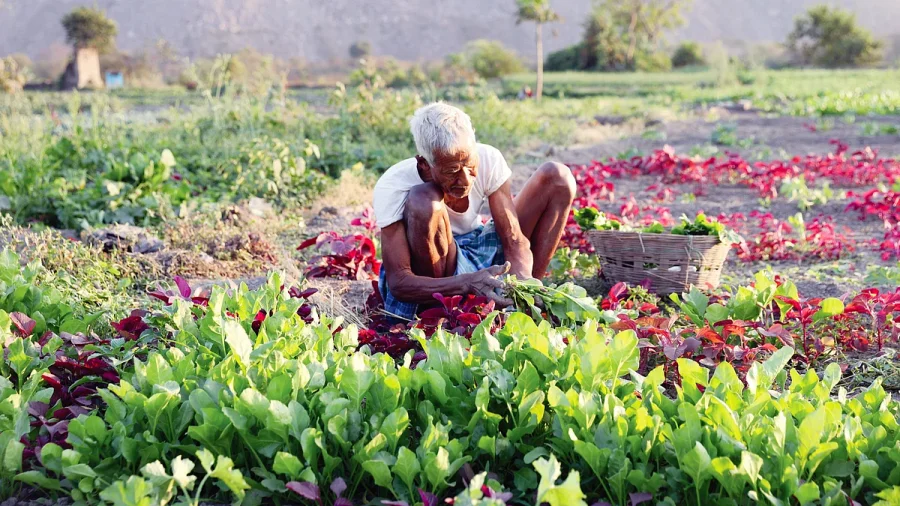
Prime Minister Narendra Modi has a new message for India’s farmers: go 50% organic. The appeal came after the BJP’s election wins in Assam and West Bengal. But for the millions who till this land, the math is brutal. Switching to organic farming isn’t a simple choice. It’s a seven-to-ten-year ordeal. **The transition trap** Farmers who want to go organic can’t just stop using chemicals overnight. The soil needs time to purge synthetic residues. Crops need time to adapt. During this period, yields drop sharply. Sometimes by 30-40%. But costs don’t drop. Families still need to eat. Loans still need to be repaid. One farmer from Punjab put it bluntly: “You’re asking me to produce less for years, with no guarantee of premium prices.” **No safety net in sight** The government hasn’t announced any compensation for the transition period. No income support. No price guarantee. Compare this to the European Union, where farmers get direct payments during conversion. India offers nothing. So who bears the cost? The farmer. **The 10-year reality** Interviews with tens of thousands of farmers across India reveal a consistent pattern. The first three years are the hardest. Weeds explode. Pests return. Soil fertility drops before it recovers. By year five, some see improvement. By year seven, the system stabilizes. But most farmers can’t survive that long without income. **Why now?** Modi’s timing is political. With elections done, he’s asking citizens to brace for price shocks from the West Asia war. The message: sacrifice for the nation. But for farmers, this isn’t a sacrifice. It’s a gamble with their livelihoods. **The real question** Can India’s 150 million farmers afford a decade of low yields? Without a transition support system, the answer is clear. Organic farming is the goal. But the path is a minefield. And right now, farmers are walking it alone.
Rajendra Singh

Written by

Rajendra Singh

Rajendra Singh Tanwar is a staff correspondent at News Headline Alert, one of India's digital news platforms covering national and state developments across politics, health, business, technology, law, and sport. He reports on government decisions, policy announcements, corporate developments, court rulings, and events that affect people across India — drawing on official documents, named sources, expert commentary, and verified public records. His work spans breaking news, policy analysis, and public interest reporting. Before each article is published, it is reviewed by the News Headline Alert editorial desk to ensure accuracy and editorial standards are met. Corrections, sourcing queries, and editorial feedback can be directed to editorial@newsheadlinealert.com.