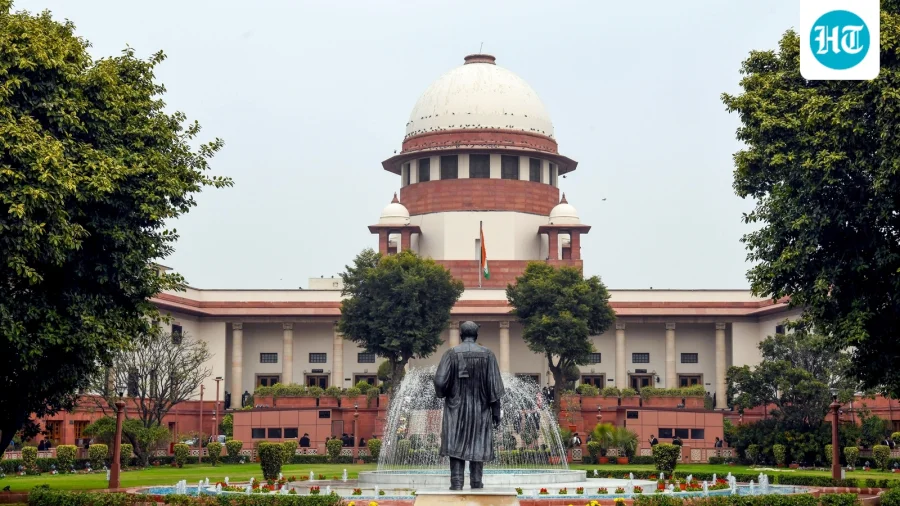
For nearly three decades, one question has haunted Indian healthcare: can a patient drag a doctor to a consumer court? On [date], the Supreme Court answered it once again — and the answer has not changed. A curative petition challenging the court's 1995 ruling was dismissed, leaving intact the principle that doctors and hospitals can be held accountable for deficient medical services.
A 1995 Verdict That Redefined Patient Rights
The story begins with Indian Medical Association vs VP Shantha, a case that reshaped how medical negligence is addressed in India. In 1995, a three-judge bench held that medical services fall within the ambit of the Consumer Protection Act, 1986. This meant patients could seek compensation for negligence or deficiency in service through consumer forums — a faster, less expensive route than traditional civil suits.
The ruling was a watershed moment. It gave ordinary patients a direct legal remedy against doctors and hospitals, without having to navigate the complexities of criminal or civil courts.
Why This Curative Petition Mattered
A curative petition is the last legal resort after a review petition has been dismissed. It is rarely admitted, and even more rarely succeeds. The fact that such a petition was filed — and then dismissed — signals how strongly sections of the medical fraternity have resisted consumer court jurisdiction over their practice.
Doctors' bodies have long argued that subjecting medical professionals to consumer law encourages defensive medicine and inflates insurance costs. Patient rights groups, however, see it as a vital check against negligence.
The Human Cost of the Debate
Behind the legal arguments lie real people. For a patient who has suffered due to a botched surgery or a misdiagnosis, the consumer court is often the only affordable path to justice. The 1995 ruling gave them that path. Its reaffirmation means that path remains open.
For doctors, the ruling is a reminder that accountability is not optional. It does not mean every adverse outcome is negligence — but it does mean that deficient service can be challenged.
What the Court's Dismissal Means in Practice
The dismissal of the curative petition does not create new law. It simply removes a lingering challenge to the existing legal position. The 1995 judgment continues to bind all consumer forums and medical practitioners.
Patients can still file complaints before district, state, and national consumer commissions. Doctors and hospitals remain liable for deficiency in service, as defined under the Act.
Confirmed Facts vs What Remains Unclear
Confirmed: The Supreme Court dismissed the curative petition. The 1995 ruling in Indian Medical Association vs VP Shantha stands. Patients can sue doctors and hospitals in consumer courts.
Unclear: The exact reasoning behind the dismissal has not been detailed in the available information. It is also unclear whether the petitioners will pursue any other legal remedy, though curative petitions are typically the final option.
Risks and the Balanced View
The medical community has legitimate concerns. Fear of litigation can lead to over-testing and higher healthcare costs. Some doctors argue that consumer courts lack the expertise to adjudicate complex medical questions.
Yet the alternative — immunity from consumer accountability — would leave patients with fewer options. The Supreme Court's dismissal preserves a balance that has existed for nearly 30 years.
A Wider Pattern: Accountability in Public Services
This case is part of a broader trend in Indian law where professionals and service providers are being brought under consumer protection. Similar debates have played out in education, housing, and insurance. The underlying principle is consistent: if you pay for a service, you have a right to a remedy when it is deficient.
What Patients and Doctors Should Know Now
For patients: If you believe you have received deficient medical care, you can approach a consumer court. Keep records, seek a second opinion, and consult a lawyer familiar with medical negligence cases.
For doctors and hospitals: The legal landscape remains unchanged. Maintaining detailed records and clear communication with patients is not just good practice — it is legal protection.
Future Outlook
No further legal challenge is currently pending. The focus will now shift back to how consumer courts handle medical negligence cases — and whether the medical fraternity seeks legislative changes instead of judicial ones. For now, the 1995 ruling remains the law of the land.
Our Take
The Supreme Court's dismissal of the curative petition is not a new victory for patients — it is a reaffirmation of an old one. The 1995 ruling has survived its most serious challenge. What matters now is how effectively consumer courts deliver justice: swiftly, fairly, and with an understanding of both medical complexity and patient vulnerability.
Frequently Asked Questions
Can I still sue a doctor in consumer court in India?
Yes. The Supreme Court's 1995 ruling in Indian Medical Association vs VP Shantha remains valid. Patients can file complaints against doctors and hospitals for deficient services under the Consumer Protection Act.
What is a curative petition?
A curative petition is the final legal remedy available after a review petition has been dismissed. It is rarely admitted by the Supreme Court and is considered the last resort.
Does this ruling mean every medical error is negligence?
No. The ruling allows patients to seek compensation for deficiency in service. Not every adverse outcome amounts to negligence; consumer courts evaluate each case on its facts.
What should I do if I believe I have a medical negligence case?
Consult a lawyer experienced in medical negligence. Gather all medical records, obtain expert opinions if possible, and file a complaint before the appropriate consumer commission within the limitation period.