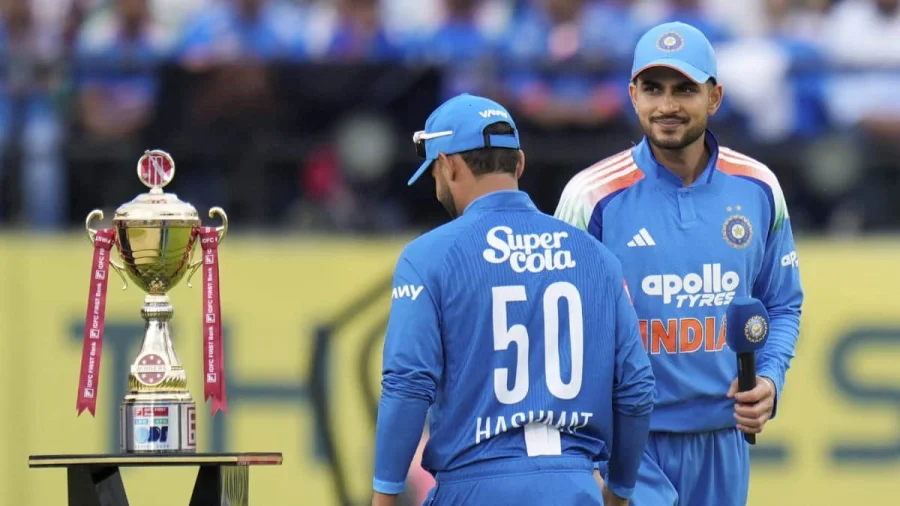
The rain came down hard on Dharamshala, but Shubman Gill stood firm. In a match that tested patience as much as skill, the Indian vice-captain guided his team to a seven-wicket victory over Afghanistan in the opening ODI, proving once again why he is seen as the future of Indian batting.
How Rain Reshaped the Contest at Dharamshala
Heavy downpours before the toss forced match officials to compress the standard 50-over contest into a 25-over-per-side thriller. The delay meant both teams had to recalibrate their strategies on the fly, turning the game into a high-intensity sprint rather than a marathon. Afghanistan, batting first, posted 158/5, a competitive total in the shortened format.
Why This Victory Matters Beyond the Scoreboard
For Indian cricket fans, this win was about more than just a series lead. It showcased the team's ability to adapt under pressure, with debutants stepping up in crucial moments. The victory also reinforced India's bench strength, a key factor as the team builds towards future ICC tournaments. For Afghanistan, the performance showed they can compete with top sides in shortened formats, a sign of their growing maturity in white-ball cricket.
From Rain Delays to a Sprint Finish: The Match Timeline
The match began under overcast skies after a two-hour delay. Afghanistan's openers started cautiously, but India's bowlers, led by debutants, struck at regular intervals. Rahmanullah Gurbaz top-scored with 42 off 38 balls, while Mohammad Nabi's late cameo of 34* off 22 balls pushed the total past 150. In response, India lost an early wicket but Gill's partnership with KL Rahul (45 off 38) steadied the chase. Gill's unbeaten 58 off 48 balls, laced with six fours and a six, ensured India reached the target with 11 balls to spare.
Who Stepped Up: The Debutants Who Made the Difference
Two debutants played pivotal roles in the victory. Left-arm spinner Manav Suthar, playing his first ODI, picked up two wickets in his spell, including the key scalp of Gurbaz. Pacer Akash Deep, also on debut, bowled a tight spell, conceding just 28 runs in his five overs and taking a wicket. Their composure under pressure impressed captain Rohit Sharma, who praised their "fearless attitude" in the post-match presentation.
What the Captain and Coach Said About the Performance
Rohit Sharma, speaking after the match, highlighted the team's adaptability. "The rain made it tricky, but the boys adapted well. Shubman showed his class, and the debutants were outstanding under pressure," he said. Head coach Rahul Dravid added that the performance was a "good test of character" for the young players, emphasizing the importance of handling unexpected situations in international cricket.
Why Shubman Gill's Knock Was a Masterclass in Chase Management
Gill's innings was not about brute force but about reading the situation. With the required rate hovering around seven runs per over, he rotated strike effectively, found boundaries at crucial moments, and built a partnership that took the pressure off the middle order. His ability to accelerate without taking risks is a hallmark of his growing maturity as a batsman. Analysts noted that his knock was a textbook example of how to chase in a rain-shortened game.
Confirmed Facts vs What Remains Unclear About the Match
Confirmed: India won by seven wickets; Shubman Gill scored 58*; KL Rahul made 45; Afghanistan posted 158/5; Manav Suthar and Akash Deep debuted. Unclear: Whether the rain will affect the second ODI scheduled at the same venue; the exact nature of a minor injury scare to an Afghan fielder during the chase, which was not officially confirmed.
India's Bowling Depth: The Moat That Sets Them Apart
India's ability to field debutants who perform under pressure is a testament to their robust domestic structure and scouting system. The combination of experienced bowlers like Mohammed Shami and fresh talent like Suthar and Deep gives the team a unique advantage. This depth allows India to rotate players without losing quality, a luxury few international sides possess. The network of academies and the IPL ecosystem have created a conveyor belt of talent that keeps the team competitive across formats.
Risks and Concerns: What Afghanistan Can Take Away
While India dominated, Afghanistan's batting showed promise but lacked the finishing touch. Their middle order failed to convert starts into big scores, a recurring issue in their ODI cricket. The bowling, led by Rashid Khan, was economical but lacked the penetration to defend a modest total. For Afghanistan, the key takeaway is the need for their top order to bat deeper and for their spinners to extract more turn on pitches that offer assistance.
How This Match Fits Into the Broader ODI Landscape
The rain-shortened format is becoming more common in modern ODI cricket, especially in regions like Dharamshala where weather can be unpredictable. This match highlighted the need for teams to be flexible in their approach, blending T20 aggression with ODI patience. It also underscored the growing competitiveness of associate nations like Afghanistan, who are no longer pushovers in any format.
What Fans and Aspiring Cricketers Should Learn From This Game
For young cricketers, Gill's innings is a lesson in situational awareness. His ability to pace a chase, build partnerships, and finish the game is a skill worth studying. For fans, the match was a reminder that cricket's beauty lies in its unpredictability—rain delays, debutant heroes, and last-over finishes are what make the sport compelling.
What's Next: The Second ODI and Series Implications
The second ODI is scheduled for the same venue, with both teams likely to face similar weather challenges. India will look to seal the series, while Afghanistan will aim to bounce back with a more disciplined performance. The conditions could once again play a decisive role, making adaptability the key factor.
Our Take
This victory was more than just a series lead; it was a statement about India's depth and adaptability. Shubman Gill's calm chase and the debutants' composure under pressure signal a bright future for Indian cricket. For Afghanistan, the performance showed they belong at this level, but the gap in execution remains. The series is far from over, and the second ODI promises more drama in the shadow of the Dhauladhar mountains.
Frequently Asked Questions
Who won the India vs Afghanistan first ODI?
India won by seven wickets, chasing Afghanistan's 158/5 in a rain-shortened 25-over match at Dharamshala.
How many runs did Shubman Gill score in the match?
Shubman Gill scored an unbeaten 58 off 48 balls, anchoring India's chase with six fours and a six.
Which debutants played for India in this ODI?
Left-arm spinner Manav Suthar and pacer Akash Deep made their ODI debuts, with Suthar taking two wickets and Deep bowling a tight spell.
Why was the match reduced to 25 overs?
Heavy rain before the toss delayed the start, forcing match officials to reduce the contest to 25 overs per side.