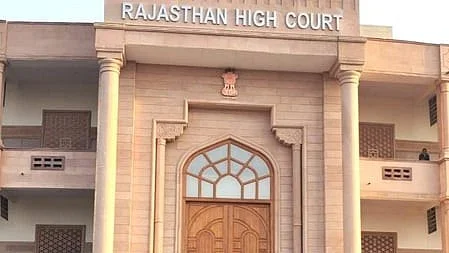
The Supreme Court's internal corridors are rarely the site of such public friction. But a fourth letter from Justice Sandeep Mehta to Chief Justice of India Surya Kant has now placed an unprecedented intra-judiciary dispute firmly in the spotlight — one that raises uncomfortable questions about how the higher judiciary polices itself.
A fourth letter, a sharper accusation
Justice Mehta's latest communication accuses Rajasthan High Court judge Sanjeev Prakash Sharma of interfering in an internal judicial enquiry, breaching confidentiality and abusing administrative powers. The letter follows three earlier complaints — sent on 2, 10 and 17 August — in which Mehta alleged "maladministration, malpractices, nepotism and favouritism" against Sharma, who was then serving as acting chief justice of the Rajasthan High Court.
Why this dispute matters beyond the two judges
This is not merely a personal feud between two members of the judiciary. The allegations strike at the heart of public confidence in judicial institutions. When a sitting Supreme Court judge accuses a High Court judge of administrative abuse, the credibility of the entire judicial process comes under scrutiny. Citizens who look to courts for impartial justice are left wondering: if judges cannot resolve their own internal disputes transparently, what does that mean for the cases they decide?
How the controversy unfolded
The timeline reveals a steadily escalating confrontation. Justice Mehta's first letter on 2 August raised initial concerns. Two more followed within weeks — on 10 and 17 August — each sharpening the allegations. The situation took a dramatic turn when a group of advocates staged a protest outside Justice Sharma's courtroom, after which he proceeded on leave. Justice Sharma has consistently denied the allegations, calling them baseless.
The human cost of a judicial standoff
Behind the legal language and official statements are real consequences. Litigants appearing before the Rajasthan High Court face uncertainty. Court staff and junior judges navigate an uncomfortable atmosphere. And the protesting advocates — who took the unusual step of demonstrating outside a judge's courtroom — signal that public frustration with the dispute has spilled beyond institutional boundaries.
CJI's measured response and its limits
CJI Surya Kant addressed the matter on 26 August, stating that Mehta's allegations against Sharma could not be adjudicated in the public domain. This reflects the judiciary's traditional preference for resolving internal matters through confidential in-house procedures rather than public hearings. But critics argue that such opacity — while protecting judicial independence — also leaves room for unresolved grievances to fester.
What the in-house procedure actually means
The Supreme Court has an established in-house mechanism to examine complaints against judges. Typically, a panel of senior judges investigates allegations confidentially and submits findings to the Chief Justice. However, the process is not bound by the same evidentiary rules as a formal trial, and its outcomes are rarely made public. This case tests whether that mechanism can handle allegations involving a sitting Supreme Court judge against a High Court judge — a scenario with no easy precedent.
Confirmed facts versus what remains unclear
What is verified: Justice Mehta has sent four letters to the CJI. The allegations include interference in an internal enquiry, breach of confidentiality, and abuse of administrative powers. Justice Sharma has denied all allegations. The CJI has said the matter cannot be resolved publicly.
What remains unclear: The specific nature of the alleged interference in the internal enquiry. The details of the confidentiality breach. Whether any formal in-house inquiry has been initiated. And what triggered the advocates' protest outside Justice Sharma's courtroom.
Why the judiciary's self-regulatory model is being tested
India's higher judiciary operates on a self-regulatory model rooted in the Constitution's guarantee of judicial independence. Judges are not subject to external oversight bodies like those in some other democracies. This system works when mutual trust prevails. But when two judges publicly accuse each other — even through official letters — the limits of self-regulation become visible. The public is left to trust that the CJI's office will handle the matter fairly, without any external verification.
Risks and concerns surrounding the dispute
Several concerns emerge from this episode. First, the prolonged nature of the dispute — now spanning nearly a month with four letters — suggests the internal resolution process may not be moving swiftly. Second, the involvement of protesting advocates raises questions about whether external pressure is being applied to influence an internal matter. Third, the lack of public information creates space for speculation and rumour, which can damage reputations regardless of the final outcome.
A pattern of increasing judicial transparency demands
This dispute arrives amid broader debates about judicial accountability in India. In recent years, the Supreme Court has faced public questions about its internal processes, from the handling of sexual harassment complaints to the disclosure of judges' assets. Each episode chips away at the traditional wall of confidentiality surrounding judicial administration. This case adds another layer to that ongoing conversation.
What readers should understand about this dispute
For the average citizen, this story matters because it affects trust in the judicial system. If you have a case pending in any court, you rely on the impartiality and integrity of judges. When judges themselves are locked in public disputes, it is natural to feel concerned. The key is to distinguish between allegations — which remain unproven — and established facts. Until the CJI's office completes any internal review, all claims against Justice Sharma remain exactly that: allegations.
What happens next in this judicial standoff
The immediate next step lies with the CJI's office. Options include forming an in-house inquiry panel, seeking a resolution through informal mediation between the two judges, or allowing the matter to rest until cooler heads prevail. Given the CJI's public statement that the matter cannot be adjudicated in the public domain, a confidential resolution appears most likely. However, the longer the dispute remains unresolved, the greater the risk of further public attention and institutional damage.
Our Take
This is a moment that tests the judiciary's institutional maturity. The allegations are serious — interference in an internal enquiry and breach of confidentiality strike at the very processes designed to maintain judicial integrity. But so is the principle that judges should not air internal disputes publicly. The CJI faces a delicate balancing act: protecting institutional dignity while ensuring genuine accountability. The manner in which this is resolved will set a precedent for how similar disputes are handled in the future. For now, the public can only watch and wait — hoping that the institution entrusted with delivering justice can also deliver it to itself.
Frequently Asked Questions
What did Justice Sandeep Mehta allege in his fourth letter to the CJI?
Justice Mehta accused Rajasthan High Court judge Sanjeev Prakash Sharma of interfering in an internal judicial enquiry, breaching confidentiality, and abusing administrative powers. This was his fourth letter to Chief Justice of India Surya Kant on the matter.
What were the earlier allegations made by Justice Mehta?
In three earlier letters sent on 2, 10 and 17 August, Justice Mehta accused Justice Sharma — then acting chief justice of Rajasthan High Court — of "maladministration, malpractices, nepotism and favouritism".
How has Justice Sanjeev Prakash Sharma responded to the allegations?
Justice Sharma has termed all allegations against him as baseless. He went on leave following a protest by a group of advocates outside his courtroom.
What did CJI Surya Kant say about the dispute?
CJI Surya Kant stated on 26 August that Justice Mehta's allegations against Justice Sharma could not be adjudicated in the public domain, indicating the matter would be handled through internal judicial processes.