In a moment that transcended diplomatic protocol, Venezuelan Foreign Minister Yvan Gil publicly thanked Prime Minister Narendra Modi for India's swift humanitarian response to the devastating earthquakes that struck the South American nation. Calling it a "sample of brotherhood," Gil's words carried the weight of a nation grappling with disaster, now buoyed by an unexpected ally thousands of miles away.
What Operation Amistad means for Venezuela's earthquake survivors
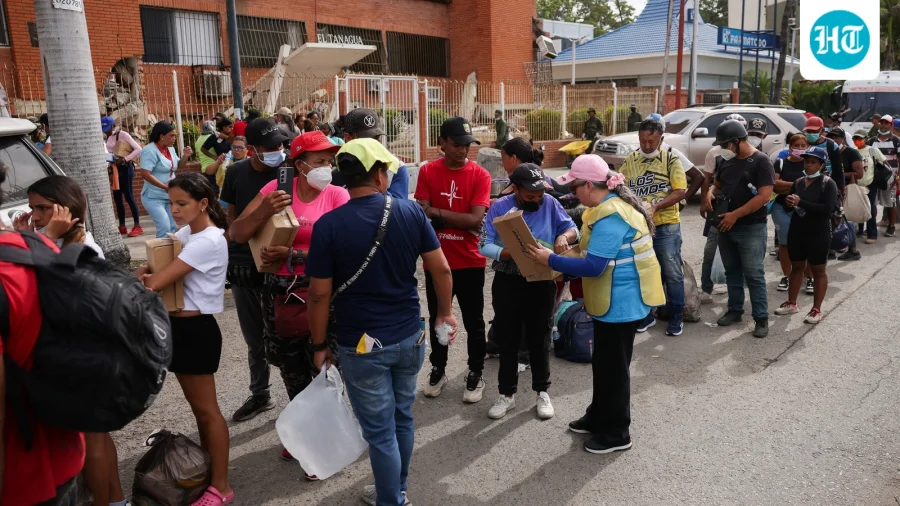
Operation Amistad — "Amistad" meaning "friendship" in Spanish — is India's coordinated humanitarian assistance and disaster relief mission to Venezuela. Following a series of powerful earthquakes that caused widespread damage and loss, India mobilized critical supplies including medical aid, food, and shelter materials. For Venezuelans already facing economic hardship, this relief has been a lifeline, with local communities expressing heartfelt gratitude.
Why Yvan Gil's thanks to PM Modi matters beyond diplomacy
Gil's public acknowledgment is not merely a diplomatic courtesy. It signals a deepening of ties between India and Venezuela, a relationship that has historically been limited but is now gaining momentum through shared humanitarian values. For Indian readers, this reflects the country's growing soft power — a nation that extends help without political strings, earning respect on the global stage.
How the earthquake crisis unfolded and India's response
The earthquakes struck Venezuela in late March 2025, causing significant casualties and infrastructure damage. Within days, India launched Operation Amistad, deploying relief materials via airlift. The mission was coordinated by the Ministry of External Affairs and the Indian Navy, showcasing India's rapid disaster response capabilities. Local media in Venezuela reported that Indian aid reached remote areas where international assistance was scarce.
Who is affected by this humanitarian gesture
Beyond the immediate beneficiaries — earthquake survivors in Venezuela — this gesture resonates with the Indian diaspora in Latin America, who see their homeland as a responsible global actor. For Venezuelan citizens, India's help has become a symbol of hope. Social media posts from Venezuelans thanking India have gone viral, with many calling it a "true friendship" in times of need.
What Venezuelan Foreign Minister Yvan Gil said about India's help
In a statement, Yvan Gil said he "witnessed the moving demonstration of solidarity" and thanked Prime Minister Narendra Modi for extending a helping hand. He described the relief as a "sample of brotherhood," emphasizing that India's assistance was not just material but emotional. The statement was widely shared on diplomatic channels and social media, amplifying the message of global unity.
Why Operation Amistad is a strategic shift in India's foreign policy
Operation Amistad is part of a broader Indian strategy to strengthen ties with Latin America, a region rich in resources and strategic importance. By providing humanitarian aid without geopolitical conditions, India positions itself as a reliable partner. This contrasts with traditional aid models, building trust that could translate into economic and diplomatic cooperation in energy, trade, and technology sectors.
Confirmed facts vs what remains unclear about the relief mission
Confirmed: India dispatched relief supplies under Operation Amistad; Yvan Gil thanked PM Modi; local Venezuelan communities expressed gratitude. Unclear: The exact scale of damage from the earthquakes; the total value of Indian aid; whether further phases of relief are planned. Speculation: Some analysts suggest this could lead to a bilateral agreement on disaster management, but no official confirmation exists.
India's humanitarian moat: Why Operation Amistad stands out
India's disaster relief operations — from Nepal to Turkey to Venezuela — are built on speed, scale, and no-strings-attached assistance. This creates a unique "humanitarian moat": trust that no other major power can easily replicate. For Venezuela, India's help arrives without the political baggage that often accompanies aid from Western or Chinese sources, making it more acceptable locally.
Risks and balanced view of India-Venezuela humanitarian ties
While the gesture is widely praised, some critics note that Venezuela remains politically isolated and economically fragile. India's engagement could be seen as supporting a government facing international sanctions. However, humanitarian aid is generally exempt from such concerns. The risk is that India's goodwill could be exploited for political messaging, though no evidence of this has emerged.
How this fits into India's growing role in global disaster relief
Operation Amistad is the latest in a series of Indian humanitarian missions — from Operation Dost in Turkey to Operation Samudra Setu during COVID-19. India is increasingly seen as a "first responder" in the Global South, building a reputation that enhances its bid for a permanent UN Security Council seat and strengthens its leadership in forums like the G20.
What Indians and Venezuelans should take away from this
For Indian readers, this is a moment of national pride — a reminder that India's global influence is not just economic but moral. For Venezuelans, it is a testament to the power of international solidarity. For students of international relations, it offers a case study in soft power diplomacy. The key takeaway: in a fractured world, humanitarian gestures can build bridges that politics cannot.
What could happen next in India-Venezuela relations
Diplomatic sources suggest that Operation Amistad could pave the way for deeper cooperation in energy (Venezuela has vast oil reserves), pharmaceuticals, and technology. India may also offer capacity-building in disaster management. However, much depends on Venezuela's political stability and India's willingness to engage further. For now, the focus remains on relief and recovery.
Our Take
Yvan Gil's thanks to PM Modi is more than a diplomatic soundbite — it is a testament to India's quiet but effective humanitarian diplomacy. In a world often divided by geopolitics, Operation Amistad reminds us that shared humanity can still unite nations. For India, this is not just aid; it is an investment in trust that will yield dividends in influence and goodwill for years to come.
Frequently Asked Questions
What is Operation Amistad?
Operation Amistad is India's humanitarian assistance and disaster relief mission to earthquake-hit Venezuela, providing medical aid, food, and shelter materials.
Why did Venezuelan FM thank PM Modi?
Yvan Gil thanked PM Modi for India's swift and unconditional help, calling it a "sample of brotherhood" and a moving demonstration of global solidarity.
How did the Venezuelan public react to Indian aid?
Local communities expressed gratitude on social media, with many calling India a true friend in times of need, amplifying the diplomatic gesture.
What does this mean for India-Venezuela relations?
It signals a deepening of ties, potentially leading to cooperation in energy, trade, and disaster management, though no formal agreements have been announced yet.