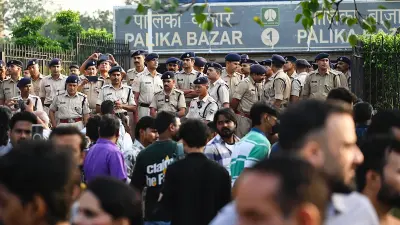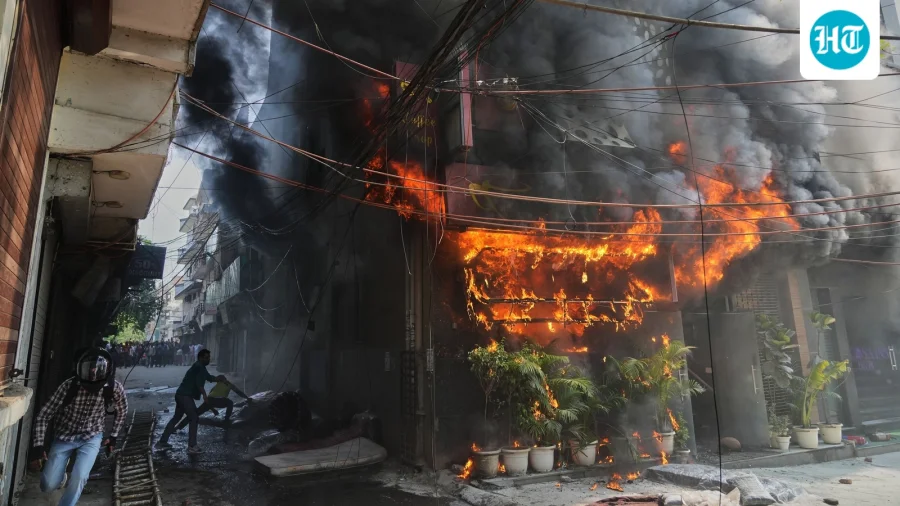
Twenty-one lives. A building that was supposed to offer a safe stay. Instead, a missing room permit and a locked exit turned a Delhi Bed and Breakfast into a deadly inferno. Most of the victims weren't locals—they were people who had traveled to India hoping for medical treatment, or the caregivers who had come with them. This wasn't just a fire. It was a failure of basic safety that cost innocent lives.
How a BnB Became a Death Trap
The fire broke out in a multi-story building operating as a Bed and Breakfast in a residential area of Delhi. As flames spread rapidly, panic set in. But for many, there was no way out. Investigators have confirmed that a key exit was locked, trapping victims inside. Adding to the horror, the building reportedly lacked a proper room permit, meaning it may never have been legally authorized to operate as a guesthouse in the first place.
Why This Tragedy Hits Harder
This isn't just another fire statistic. The human cost is deeply personal. Most of the 21 victims were medical tourists—people who had come to Delhi for life-saving or critical treatments. They were accompanied by family members acting as caregivers. These were people already in vulnerable situations, seeking hope and healing. Instead, they found a building with no legal standing and a locked door. The tragedy raises urgent questions about the safety of unregulated accommodations that cater to vulnerable populations.
What Investigators Have Found So Far
Preliminary reports suggest the fire may have started from an electrical short circuit. However, the focus has quickly shifted to the building's operational status. Officials are probing whether the BnB had the required fire safety clearances and a valid room permit. The locked exit is a particularly damning detail—a clear violation of basic fire safety norms that likely prevented victims from escaping. The building's owner is reportedly being questioned.
What We Know — and What Remains Unclear
What is confirmed: 21 people are dead, most of them medical tourists and caregivers. The exit was locked. The building's permit status is under scrutiny. What remains unclear is how long these safety violations existed, whether any prior complaints were filed, and if any officials failed to conduct mandatory inspections. The full chain of responsibility is still being established.
Safety Gaps and the Pattern of Neglect
This tragedy is not an isolated incident. Delhi has seen multiple deadly fires in recent years, often in buildings operating without proper clearances. Common threads include blocked or locked exits, lack of fire extinguishers, and illegal modifications to structures. The BnB blaze fits a disturbing pattern where profit is prioritized over human life, and regulatory oversight remains weak. For medical tourists, who may not know local laws or building standards, the risk is even higher.
- Locked or blocked exits are a recurring violation in Delhi fire tragedies.
- Many guesthouses and BnBs operate without valid room permits or fire safety certificates.
- Medical tourists are particularly vulnerable as they often rely on accommodation arranged by hospitals or agents.
"Most of the victims of the fire, one of Delhi's worst in years, were either people visiting India for their medical treatment or caregivers of patients." — Original Story
What Medical Tourists and Families Should Know Now
If you or a family member is traveling to Delhi for medical treatment, this tragedy is a stark warning. Before booking accommodation, verify that the property has a valid room permit and fire safety clearance. Ask the hospital or clinic for a list of verified, legal guesthouses. Avoid any building that appears to have blocked exits or inadequate safety measures. Your life may depend on it.
What Could Happen Next
The investigation is expected to lead to arrests and legal action against the building owner. There will likely be a renewed crackdown on unregistered BnBs and guesthouses across Delhi. However, without systemic changes in enforcement, similar tragedies remain a risk. The families of the victims are demanding justice, and the incident is likely to spark a broader debate on the safety of medical tourism infrastructure in India.
Our Take: A Preventable Tragedy That Demands Action
This story is not just about a fire. It is about a system that allowed a building without a permit and with a locked exit to house vulnerable people. The victims came to India for hope. They deserved safety. The fact that 21 people died because of basic, avoidable safety gaps is a damning indictment of regulatory failure. This tragedy must not be forgotten after the headlines fade. It must force real change.
FAQs
What caused the Delhi BnB fire that killed 21 people?
The fire is believed to have started from an electrical short circuit. However, the high death toll was primarily due to a locked exit and the building operating without a valid room permit, which meant it lacked proper fire safety measures.
Who were the victims of the Delhi BnB blaze?
Most of the 21 victims were medical tourists—people who had traveled to India for medical treatment—along with their caregivers. They were staying at the Bed and Breakfast while seeking healthcare in Delhi.
What safety violations were found at the BnB?
Investigators found that a key exit was locked, preventing escape. The building also reportedly lacked a valid room permit, raising questions about whether it was legally authorized to operate as a guesthouse and had passed required fire safety inspections.
How can medical tourists ensure their accommodation is safe in Delhi?
Medical tourists should verify that any guesthouse or BnB has a valid room permit and fire safety certificate. It is safest to book accommodation recommended by the hospital or clinic. Avoid any building with blocked or locked exits, and check for basic safety equipment like fire extinguishers.