Just two weeks after its inauguration, a brand-new eight-lane railway overbridge (ROB) in Greater Noida has suffered a significant failure. The road surface peeled off during the first heavy monsoon spell, leaving commuters shocked and raising urgent questions about the quality of the region's new infrastructure.
What happened to the new Greater Noida ROB?
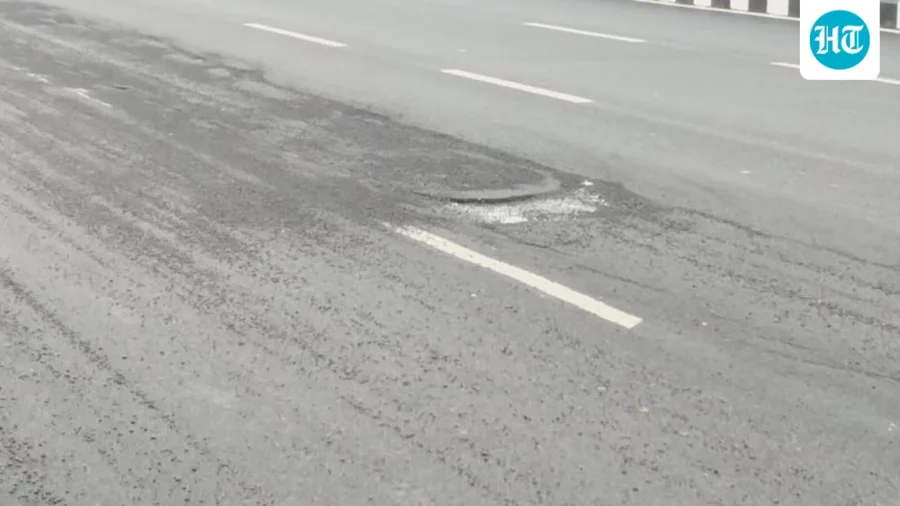
The incident occurred on the recently opened ROB that connects Greater Noida West and East. Following a heavy downpour, a portion of the asphalt layer on the bridge's surface detached and peeled away, exposing the underlying concrete structure. The damage was noticed by commuters and quickly drew criticism on social media.
Why this bridge failure matters for daily commuters
For thousands of residents in Greater Noida West, this bridge was a long-awaited relief from traffic congestion. Its failure so soon after opening is not just an inconvenience but a safety hazard. Commuters now face the risk of accidents, especially during wet conditions, and the incident erodes trust in the quality of public infrastructure meant to serve them daily.
Timeline: From inauguration to failure in two weeks
The eight-lane ROB was inaugurated with much fanfare just 14 days before the monsoon damage. It was built to ease the commute between the rapidly growing residential sectors of Greater Noida West and the commercial hubs in the East. The rapid deterioration has stunned residents who had celebrated the bridge's opening as a sign of progress.
Who is affected by the Greater Noida ROB damage?
Residents of sectors in Greater Noida West, daily office-goers, and students who rely on this route are directly affected. The peeling surface has forced traffic to slow down or use alternative routes, adding to travel time. Local business owners who depend on smooth connectivity also face disruptions.
Official response and investigation into the peeling road
Following the incident, officials from the Greater Noida Industrial Development Authority (GNIDA) and the construction agency have reportedly visited the site. An inspection has been ordered to determine whether the damage was caused by poor material quality, inadequate compaction, or drainage issues. The contractor responsible for the work is expected to be held accountable.
Analysis: What caused the road surface to peel off?
Experts suggest that the peeling of a new asphalt layer can result from several factors: improper bonding between the asphalt and the base layer, use of substandard materials, or insufficient curing time before exposure to heavy rain. The rapid onset of monsoon may have exposed these underlying weaknesses. A full forensic audit of the construction process is needed to pinpoint the exact cause.
Confirmed facts vs what remains unclear about the ROB failure
Confirmed: The road surface of the new eight-lane ROB peeled off after the first monsoon rain. The bridge was opened two weeks prior. Officials have started an inspection.
Unclear: The exact cause of the failure (material defect, workmanship, or design flaw). The extent of the damage and the full repair timeline. Whether any safety audit was conducted before opening. This section is based on reported claims and ongoing investigation.
Risks and concerns: Safety and quality questions
The incident raises serious concerns about the quality control processes in Greater Noida's infrastructure projects. If a bridge fails within weeks, what about other recently completed roads and flyovers? Commuters fear for their safety, and there is growing demand for independent quality audits of all new infrastructure in the region. Critics argue that the focus on speed and cost-cutting may be compromising long-term durability.
Wider trend: Infrastructure quality under scrutiny in Noida-Greater Noida
This is not an isolated incident. The Noida and Greater Noida regions have seen multiple cases of road cave-ins, potholes, and structural issues in new projects. The rapid urbanization and pressure to complete projects quickly have often led to questions about construction standards. This latest failure adds to a growing pattern of public concern over infrastructure quality in the Delhi-NCR region.
What should commuters and residents do now?
Commuters using the ROB are advised to exercise caution, especially during rain. Residents should report any further damage or safety concerns to the GNIDA helpline. Local RWAs can demand a transparent investigation and a public report on the findings. For now, using alternative routes may be safer until repairs are completed and verified.
Future outlook: Repair, accountability, and lessons
The immediate priority is to repair the damaged surface and ensure the bridge is safe for use. However, the long-term impact will depend on the investigation's findings. If negligence is proven, the contractor could face penalties or blacklisting. This incident may also prompt stricter quality checks for all ongoing and future infrastructure projects in Greater Noida.
Our Take
The peeling of a brand-new bridge's surface is more than a maintenance issue—it is a symptom of a systemic problem in how public infrastructure is planned, executed, and inspected. While the bridge itself may be structurally sound, the failure of the road surface so soon after opening indicates a lapse in quality assurance. For the sake of public safety and trust, authorities must conduct a thorough, transparent investigation and take decisive action. Commuters deserve infrastructure that lasts longer than a monsoon.
Frequently Asked Questions
Why did the road surface peel off on the new Greater Noida ROB?
According to preliminary reports, the asphalt layer detached from the base concrete due to heavy rain. The exact cause—whether poor material quality, improper application, or drainage issues—is under investigation by authorities.
Is the Greater Noida ROB safe to use now?
The affected portion has been cordoned off, but the bridge remains open to traffic. Commuters are advised to drive with caution, especially during wet conditions, until full repairs are completed and safety is confirmed.
Who is responsible for the construction of this bridge?
The bridge was built under the Greater Noida Industrial Development Authority (GNIDA) by a contracted construction agency. The contractor is expected to be held accountable for the defect and the cost of repairs.
What action is being taken against the contractor?
Officials have initiated an inspection and investigation. Depending on the findings, the contractor may face penalties, be required to bear the repair costs, or be blacklisted from future projects.