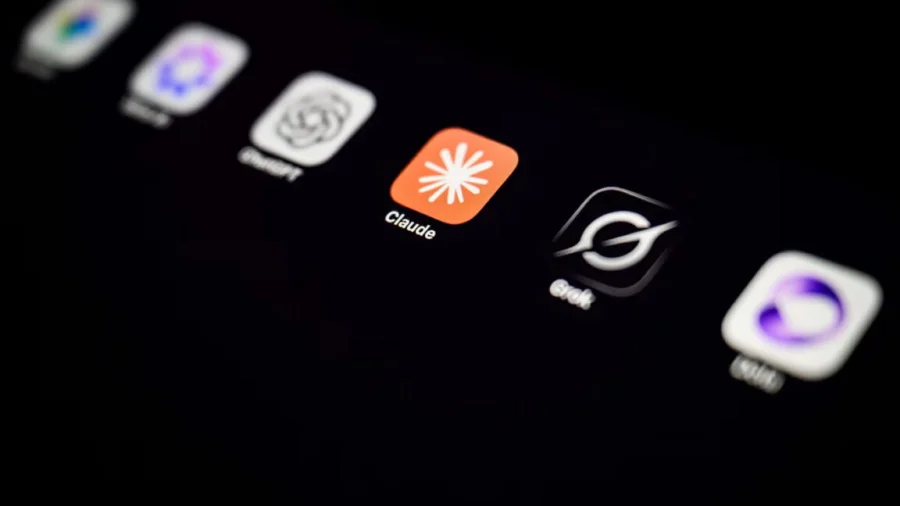
In a twist that reads like a spy thriller, a small team of cybersecurity researchers managed to break into OpenAI — not with custom-built malware, but with a tool made by its fiercest rival. The weapon of choice: Anthropic's Claude.
The group gained access to an OpenAI employee's ChatGPT account, according to the original report. Once inside, they could read private software information and even suggest changes. It was a quiet, clinical breach — and it has set off alarm bells across the AI industry.
The Breach That Used a Rival's Tool
The researchers weren't rogue actors. They had been given access to an Anthropic tool specifically designed for security professionals. Their work was part of a paid program to find vulnerabilities before malicious hackers could exploit them.
In other words, this was sanctioned — but the fact that it worked at all is the story. A rival's AI helped pry open OpenAI's defences.
Why This Matters Beyond One Account
OpenAI's ChatGPT is used by hundreds of millions of people and thousands of businesses. If a small research group could access an employee account and read private software details, the question every user should ask is simple: how safe is my data?
The breach doesn't suggest ChatGPT users were directly exposed. But it does expose a soft underbelly in how AI companies secure their internal systems — and how quickly one AI can be turned against another.
How the Operation Unfolded
Details remain limited. What is known: the researchers had legitimate access to an Anthropic security tool, used it to compromise an OpenAI employee's ChatGPT account, and were paid for their findings.
Neither OpenAI nor Anthropic has released a detailed public statement on the specific incident. The lack of official comment leaves key questions unanswered — including how long the access lasted and what exactly was viewed.
Who Is Affected — and Who Should Worry
For now, the direct impact appears contained to OpenAI's internal systems. But the ripple effects touch everyone in the AI ecosystem.
Enterprise customers who trust OpenAI with proprietary data will want assurances. Regulators already circling AI companies will see this as fresh evidence that security standards lag behind the technology's reach. And rival labs will quietly audit their own defences.
What the Companies Have Said — and Haven't
OpenAI has not issued a detailed public response to the breach. Anthropic has likewise stayed quiet on how its security tool was used in this specific case.
The silence is notable. In an industry that markets itself on trust and safety, a breach involving two of its biggest names demands more than a press release. It demands transparency about what failed and what changes.
The Deeper Problem: AI as Both Shield and Sword
This incident captures a paradox at the heart of AI security. The same tools built to protect systems can be repurposed to break them. Claude was designed to help security professionals find weaknesses — and it did, just not in the way its makers might have expected.
That dual-use nature is not a flaw unique to Anthropic. Every major AI lab faces the same reality: the smarter the tool, the more capable it is of being turned against its peers.
Confirmed Facts vs What Remains Unclear
Confirmed: Researchers used an Anthropic tool to access an OpenAI employee's ChatGPT account. They read private software information and suggested changes. They were paid as part of a vulnerability-finding program.
Unclear: How the access was technically achieved, how long it lasted, whether OpenAI detected it independently, and what specific data was viewed. Any claims beyond the original report remain speculation.
Risks and the Balanced View
It would be easy to frame this as a failure of OpenAI alone. But the reality is more nuanced. The breach was conducted by ethical researchers under a paid program — the very mechanism designed to make systems safer.
The risk is that this incident normalises the idea that AI systems are porous. If a sanctioned group can get in, what stops an unsanctioned one? That question will hang over every AI lab's security review for months.
A Wider Pattern of AI Security Reckoning
This is not an isolated event. As AI companies race to deploy powerful models, security has often played catch-up. Regulators in the EU, US, and India are already drafting frameworks for AI safety. Incidents like this give those efforts urgency — and ammunition.
The industry's next phase will not be won by the smartest model alone. It will be won by the lab that can prove its systems are genuinely secure.
What Readers and Businesses Should Do Now
If you use ChatGPT for work, review what data you share. Enterprise customers should ask their AI vendors for updated security disclosures. And anyone following the AI space should treat this as a signal: the security race is now as important as the model race.
What Could Happen Next
Expect OpenAI to tighten internal access controls and possibly disclose more details under pressure. Anthropic may review how its security tools are distributed. And regulators will likely cite this incident in upcoming hearings.
The bigger question — whether AI companies can secure themselves against each other — remains unanswered.
Our Take
This story matters less for what was stolen and more for what it reveals: even the most advanced AI companies are vulnerable, and their rivals' tools can be the keys to their doors. The industry's safety narrative now faces its toughest test — not from external hackers, but from within its own ecosystem.
Frequently Asked Questions
Did Claude actually hack OpenAI?
Yes — according to the original report, researchers used Anthropic's Claude tool to gain access to an OpenAI employee's ChatGPT account. It was part of a sanctioned vulnerability-finding program, not a malicious attack.
Was any user data exposed?
There is no indication that ordinary ChatGPT users' data was accessed. The breach involved an employee account and private software information, not user conversations.
Why would Anthropic allow its tool to be used this way?
The tool was provided to security professionals as part of a program to find vulnerabilities before bad actors could exploit them. The intent was protective, even if the outcome raised eyebrows.
What does this mean for AI safety going forward?
It underscores that AI security is a shared challenge. Companies will likely face pressure to strengthen internal controls and be more transparent about breaches — especially when rivals' tools are involved.