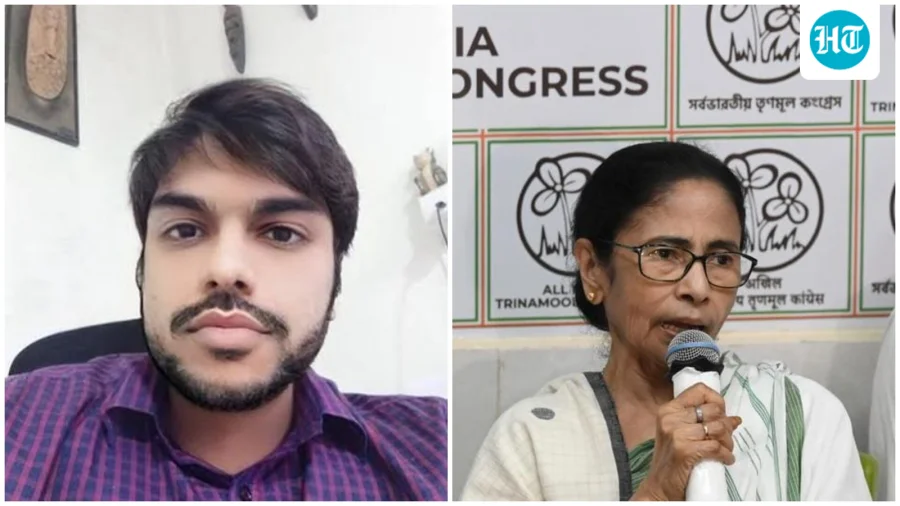
The internal fault lines within West Bengal’s ruling Trinamool Congress have cracked open in a new and personal way. Baidyanath Ghosh Dastidar, the son of rebel TMC MP Kakoli Ghosh Dastidar, has sent a legal notice to party supremo Mamata Banerjee and three other senior leaders, demanding they retract statements linking him to a ticket controversy in Barasat.
What the legal notice says — and who it targets
The notice, sent through legal representatives, gives an ultimatum to Mamata Banerjee, Mahua Moitra, and two other TMC leaders. It asks them to withdraw what Baidyanath calls “all false, defamatory, and misleading statements” regarding his alleged pursuit of a party ticket for the Barasat assembly constituency. The notice categorically denies that he ever sought a ticket or harboured political ambitions.
Why this matters for the TMC’s internal stability
This is not a routine legal dispute. It involves the son of a sitting MP taking on the party’s top leadership, including its founder and chief minister. The move signals that the rebellion within the TMC is no longer limited to public statements or social media posts — it has now entered the legal domain. For a party that prides itself on discipline and loyalty, this is a significant breach.
Timeline of a growing rift
Kakoli Ghosh Dastidar, the MP from Barasat, has been increasingly vocal about her grievances within the party. Reports suggest she felt sidelined in ticket distribution and organisational decisions. Her son’s legal notice appears to be the latest escalation in a family’s public standoff with the party leadership. The Barasat ticket issue has been a flashpoint, with claims and counter-claims swirling for weeks.
Who is affected — and what it means for ordinary voters
For voters in Barasat and across West Bengal, this feud raises questions about the TMC’s internal health ahead of crucial assembly elections. Internal squabbles often distract from governance and development work. For party workers, it creates confusion about loyalty and leadership. The legal notice also puts a spotlight on how the party handles dissent — especially from within its own ranks.
Mamata Banerjee and TMC leaders yet to respond
As of now, neither Mamata Banerjee nor the other named leaders — Mahua Moitra and two others — have issued a public response to the legal notice. The party’s official communication channels have remained silent. Political observers are watching closely to see whether the leadership will attempt a quiet resolution or let the matter play out in public.
What’s really behind the legal notice — analysis
The notice is more than a legal document; it is a political statement. By taking this step, Baidyanath Ghosh Dastidar is publicly challenging the narrative that his family was angling for a ticket. It also serves as a warning to other party leaders who may be spreading similar claims. The timing — ahead of key elections — suggests the Ghosh Dastidar family is unwilling to let the matter fade quietly.
Confirmed facts vs what remains unclear
Confirmed: Baidyanath Ghosh Dastidar has sent a legal notice to Mamata Banerjee, Mahua Moitra, and two other TMC leaders. The notice demands retraction of statements about him seeking a Barasat ticket. Unclear: Whether the statements were actually made by the named leaders, and what evidence the notice relies on. The exact content of the alleged defamatory statements has not been publicly detailed. It is also unclear if the party will respond legally or politically.
Why the TMC’s internal discipline is under strain
The Trinamool Congress has historically managed internal dissent through a combination of patronage and strong leadership. But recent months have seen multiple rebels — including MPs and MLAs — speaking out publicly. The legal notice from within an MP’s family suggests that the traditional methods of conflict resolution may be losing their effectiveness. The party’s ability to project unity is being tested.
Risks and balanced view
While the legal notice is a bold move, it also carries risks for the Ghosh Dastidar family. It could further alienate them from the party leadership and lead to disciplinary action. Critics may view the notice as an overreaction or a publicity stunt. On the other hand, if the party does not respond, it may embolden other dissenters. The situation is delicate for both sides.
Wider trend: internal rebellions in regional parties
This is not an isolated incident. Regional parties across India — from the DMK in Tamil Nadu to the Shiv Sena in Maharashtra — have faced internal rebellions that sometimes turn legal. The TMC’s current crisis fits a broader pattern where family dynamics, ticket distribution, and leadership control collide. How the party handles this could set a precedent for future disputes.
What readers should watch for next
For those following West Bengal politics, the key developments to watch are: whether Mamata Banerjee responds publicly, whether the party takes disciplinary action against Kakoli Ghosh Dastidar, and whether other rebel MPs use similar legal tactics. Voters in Barasat should also pay attention to how this affects local governance and candidate selection.
Future outlook: legal battle or quiet resolution?
Two paths are possible. One: the party leadership quietly reaches out to the Ghosh Dastidar family and resolves the matter behind closed doors. Two: the legal notice leads to a public confrontation, possibly with counter-notices or disciplinary proceedings. Given the current mood within the TMC, a quiet resolution seems less likely. The coming weeks will reveal the party’s strategy.
Our Take
This legal notice is a symptom of a deeper problem within the Trinamool Congress: the inability to manage dissent without resorting to public confrontation. While the party has won elections on the strength of Mamata Banerjee’s leadership, internal fractures like this one can erode trust over time. For Kakoli Ghosh Dastidar and her son, the move is a gamble — it may clear their name, but it could also cost them their political future. For the TMC, it is a reminder that loyalty cannot be taken for granted.
Frequently Asked Questions
Why did Kakoli Ghosh’s son send a legal notice to Mamata Banerjee?
Baidyanath Ghosh Dastidar sent the notice to demand retraction of statements that he sought a TMC ticket for the Barasat assembly seat. He denies having any political ambitions or seeking a ticket.
Who are the other TMC leaders named in the legal notice?
Apart from Mamata Banerjee, the notice names Mahua Moitra and two other senior TMC leaders. Their identities have not been officially confirmed in all reports.
What does the legal notice demand?
The notice gives an ultimatum to retract what it calls “false, defamatory, and misleading statements” about Baidyanath’s alleged ticket-seeking. It warns of further legal action if the demand is not met.
Is this a sign of a bigger rebellion in the TMC?
Yes. The legal notice is the latest in a series of public disagreements within the TMC. Several MPs and MLAs have expressed dissatisfaction, and this move suggests the rift is deepening.