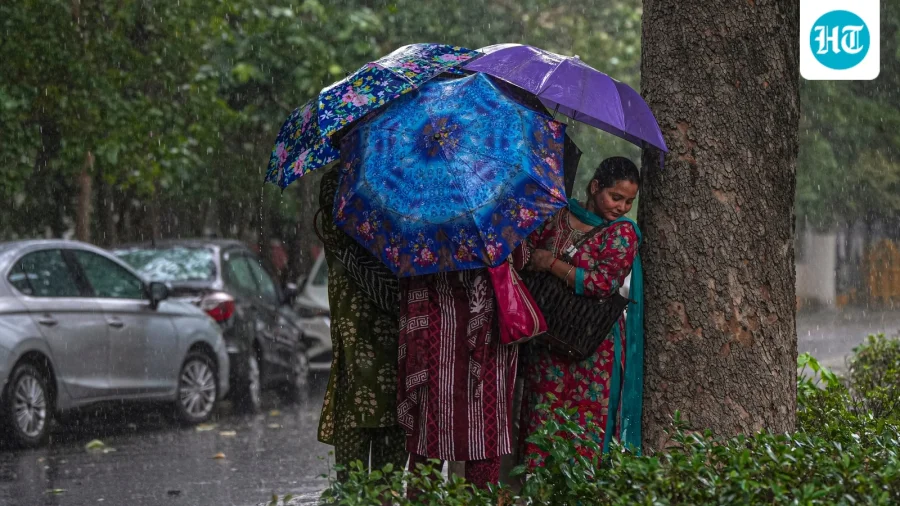
The morning commute turned treacherous for thousands across Delhi-NCR on Friday as heavy rain lashed parts of the national capital, triggering a red alert from the India Meteorological Department (IMD). For residents already bracing for a wet week, the sudden downpour brought familiar chaos — waterlogged roads, snarled traffic, and the anxious wait for clearer skies.
What the Red Alert Means for Delhi-NCR Residents
The IMD issued a red alert for storms across Delhi-NCR, warning of intense rainfall, strong winds, and potential thunderstorms. The alert, the highest level of weather warning, signals that conditions could disrupt daily life significantly. Officials have urged residents to stay indoors unless absolutely necessary and to avoid low-lying areas prone to waterlogging.
Waterlogging Hits Key Routes — Commuters Face Delays
Reports of waterlogging emerged quickly, with Mehrauli-Badarpur Road among the worst-hit stretches. Visuals from the area showed vehicles wading through knee-deep water, while traffic moved at a crawl. Other parts of Delhi-NCR, including Noida, Ghaziabad, Gurugram, and Faridabad, also experienced heavy showers, though the intensity varied. For daily commuters, the rain meant longer travel times and the risk of vehicle breakdowns on flooded roads.
IMD Forecast: More Showers Expected Over Next Few Days
The IMD has predicted that the wet spell will continue over the next few days, with more rain and thunderstorms likely. The red alert specifically covers Northeast and Southeast Delhi-NCR, where the heaviest downpours are expected. Residents in these areas have been advised to monitor weather updates and take precautions against potential flooding and power outages.
Who Is Affected and How to Stay Safe
The red alert affects millions across Delhi-NCR, from office-goers and students to daily wage workers and small business owners. For those living in low-lying areas, the risk of water entering homes is a real concern. Commuters are advised to check traffic updates before heading out, avoid driving through flooded roads, and keep emergency supplies handy. Parents with school-going children should stay informed about school closures or delays.
Official Response: Authorities on Alert
Local authorities, including municipal corporations and traffic police, have been put on alert. Teams are deployed to manage waterlogging and ensure drainage systems are functional. The Delhi Traffic Police has advised commuters to avoid certain routes and use alternative paths. Officials have also urged residents to report waterlogging or fallen trees to the helpline numbers.
Why This Rain Spell Is Different — A Quick Analysis
The red alert is not just about the intensity of the rain but also the duration. With the wet spell expected to continue for days, the cumulative impact could lead to more severe waterlogging and potential damage to infrastructure. The IMD's warning reflects a pattern of increasingly erratic weather events in the region, raising questions about urban preparedness and drainage systems.
Confirmed Facts vs What Remains Unclear
Confirmed: IMD issued a red alert for Delhi-NCR; heavy rain reported; waterlogging on Mehrauli-Badarpur Road; more showers forecast. Unclear: Exact rainfall measurements for specific areas; extent of damage or injuries; long-term impact on infrastructure. Speculation about school closures or flight delays remains unconfirmed.
Risks and Balanced View
While the red alert is a necessary precaution, some residents have expressed frustration over repeated waterlogging despite annual drainage improvements. Critics argue that urban planning has not kept pace with changing weather patterns. On the other hand, authorities point to the unpredictability of extreme weather events and the challenges of managing a rapidly growing city.
Wider Trend: Delhi's Growing Vulnerability to Extreme Weather
This red alert is part of a broader pattern of extreme weather events affecting Delhi-NCR. From heatwaves to unseasonal rains, the region has seen a rise in weather-related disruptions. Experts attribute this to climate change and rapid urbanization, which reduces the land's ability to absorb water. The situation underscores the need for long-term solutions, including better drainage, green infrastructure, and early warning systems.
Practical Guidance for Residents
If you are in Delhi-NCR today: Stay indoors if possible. If you must travel, check traffic updates and avoid waterlogged roads. Keep emergency numbers handy. For those in low-lying areas, move valuables to higher ground. Parents should confirm school status before sending children out. Monitor IMD updates for real-time alerts.
Future Outlook: What Could Happen Next
The IMD's forecast suggests the rain will continue over the next few days, with the possibility of thunderstorms. If the downpour persists, waterlogging could worsen, and authorities may need to issue further warnings. Residents should remain cautious and prepared for potential disruptions. The situation will be closely monitored, with updates expected from IMD and local authorities.
Our Take
The red alert for Delhi-NCR is a reminder of how quickly weather can disrupt urban life. While the IMD's warning is timely, the real test lies in how well the city's infrastructure and emergency services respond. For residents, the priority is safety — staying informed, avoiding risks, and helping neighbours where possible. This is not just a weather story; it is a story of urban resilience in the face of a changing climate.
Frequently Asked Questions
What does a red alert from IMD mean for Delhi-NCR?
A red alert is the highest level of weather warning issued by the India Meteorological Department. It indicates that extreme weather conditions — such as heavy rain, thunderstorms, or strong winds — are expected, which could cause significant disruption to daily life, including waterlogging, traffic jams, and potential damage to property. Residents are advised to stay indoors and avoid unnecessary travel.
Which areas in Delhi-NCR are most affected by the rain?
Heavy rain has been reported across Delhi-NCR, including Delhi, Noida, Ghaziabad, Gurugram, and Faridabad. The IMD's red alert specifically covers Northeast and Southeast Delhi-NCR, where the heaviest downpours are expected. Waterlogging has been reported on key routes like Mehrauli-Badarpur Road.
How long will the rain continue in Delhi-NCR?
The IMD has forecast that the wet spell will continue over the next few days, with more rain and thunderstorms likely. Residents should monitor weather updates for real-time information and prepare for potential disruptions.
What should commuters do during the red alert?
Commuters are advised to check traffic updates before heading out, avoid driving through waterlogged roads, and use alternative routes if possible. If travel is unavoidable, keep emergency supplies handy and stay informed about road closures. Parents should confirm school status before sending children out.