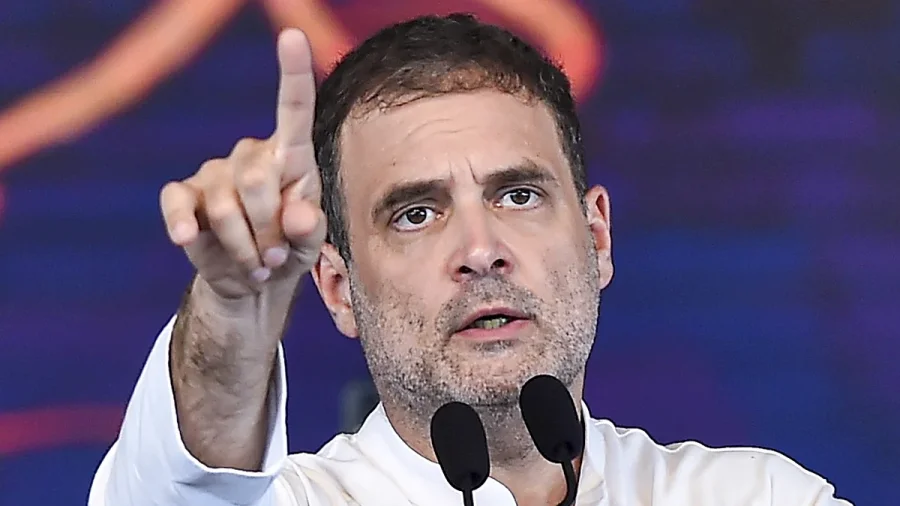
Congress leader Rahul Gandhi on Wednesday launched a blistering attack on the Centre over its decision to temporarily block access to Telegram ahead of the NEET-UG 2026 re-examination, likening the move to "locking the victim's house instead of catching the thief." The sharp rebuke comes as the government faces mounting pressure over its handling of the exam paper leak crisis.
Why the Telegram ban before NEET re-test is sparking outrage
The government on Tuesday ordered a temporary restriction on the messaging platform until June 22, arguing that the measure was necessary to curb misinformation and prevent cheating networks from exploiting the app during the June 21 re-test. The move comes amid heightened scrutiny following the cancellation of the original NEET-UG examination over allegations of paper leaks and malpractice.
But for millions of students who rely on Telegram for academic resources, study groups, and real-time updates, the ban feels like a punishment. "Modi Ji, strike at the mafia, not the students," Rahul Gandhi posted on X, directly addressing the Prime Minister. "Telegram Ban — locking the victim's house instead of catching the thief."
The human cost: Students caught in the crossfire
For students like Priya Sharma, a 19-year-old from Lucknow preparing for NEET-UG 2026, Telegram is not just a messaging app — it is a lifeline. "I have been part of a study group on Telegram for the past year. We share notes, solve doubts, and get updates on exam dates. Now, suddenly, it's gone," she told reporters. "Why should we suffer because of a few cheats?"
The ban has disrupted the preparation of thousands of students across India, many of whom have no alternative platform for collaborative learning. The emotional toll is evident: anxiety, frustration, and a sense of injustice are spreading among aspirants who feel they are being penalised for the actions of a few.
How the NEET paper leak crisis unfolded
The original NEET-UG examination was cancelled earlier this year after widespread allegations of paper leaks and organised cheating networks. The Central Bureau of Investigation (CBI) has been probing the case, with multiple arrests made across states. The government announced a re-examination for June 21, but the decision to block Telegram has added a new layer of controversy.
Critics argue that the ban is a knee-jerk reaction that fails to address the root cause of the problem — the systemic vulnerabilities in the examination process. "Instead of fixing the system, they are targeting the tools students use," said education activist Dr. Ananya Verma.
Who is affected by the Telegram ban
The ban impacts not just NEET aspirants but also students preparing for other competitive exams, researchers, and professionals who use Telegram for academic and professional networking. The platform has become a hub for free study materials, doubt-solving groups, and exam updates, especially for students from rural and low-income backgrounds who cannot afford expensive coaching.
"Telegram has democratised access to education for millions," said tech policy expert Rohan Mehta. "Blocking it without a clear alternative is a disproportionate measure that hurts the most vulnerable."
Government's defence: What officials are saying
Government officials have defended the ban, stating that it is a temporary measure aimed at preventing cheating networks from using Telegram to circulate leaked question papers or coordinate malpractice during the re-test. "The decision was taken after intelligence inputs suggested that organised groups were planning to exploit the platform," a senior official told reporters on condition of anonymity.
However, the government has not provided specific evidence of such plans, leading to accusations of overreach. The Ministry of Electronics and Information Technology (MeitY) has not yet responded to requests for comment on the ban's proportionality.
Analysis: Is the Telegram ban a solution or a distraction?
The Telegram ban raises fundamental questions about the government's approach to exam security. While the intent — to prevent cheating — is understandable, the execution appears heavy-handed. Experts point out that cheating networks can easily migrate to other encrypted platforms like Signal or WhatsApp, making the ban largely symbolic.
"This is a classic case of security theatre," said cybersecurity researcher Dr. Arjun Nair. "It creates the appearance of action without actually solving the problem. The real issue is the lack of robust invigilation and secure question paper handling."
Confirmed facts vs what remains unclear
Confirmed: The government has temporarily blocked Telegram until June 22. The NEET-UG 2026 re-examination is scheduled for June 21. Rahul Gandhi has publicly criticised the ban. The original NEET exam was cancelled due to paper leak allegations.
Unclear: Whether specific intelligence inputs justified the ban. How effective the ban will be in preventing cheating. Whether the government consulted stakeholders like student groups or education experts before the decision. What alternative measures are in place to ensure exam integrity.
Risks and balanced view: Supporters vs critics
Supporters of the ban argue that in a high-stakes exam like NEET, where lakhs of students compete for limited seats, any measure that reduces the risk of cheating is justified. They point to past instances where Telegram was used to leak question papers.
Critics counter that the ban is disproportionate, infringes on digital rights, and punishes innocent students. They argue that the government should focus on strengthening the examination process rather than imposing blanket restrictions on communication platforms.
Wider pattern: Government's growing use of internet shutdowns
The Telegram ban is part of a broader trend of the Indian government using internet restrictions for security reasons. According to the Internet Shutdown Tracker, India has recorded over 100 internet shutdowns in the past five years, the highest of any democracy. Critics say this approach undermines digital rights and sets a dangerous precedent.
What students should do now
Students affected by the Telegram ban are advised to explore alternative platforms for study groups, such as WhatsApp groups, Discord servers, or dedicated learning apps like Unacademy or Byju's. They should also stay updated through official NEET websites and trusted news sources. For those feeling anxious, counselling helplines are available through the National Mental Health Programme.
What happens next: The road ahead
The NEET-UG 2026 re-examination will proceed as scheduled on June 21. The government has not indicated whether the Telegram ban will be extended beyond June 22. The Congress party is expected to continue its protest, with Rahul Gandhi likely to raise the issue in Parliament. The CBI investigation into the original paper leak is ongoing, with more arrests expected.
Our Take
The Telegram ban before the NEET re-test is a classic case of a government choosing optics over effectiveness. While the intent to prevent cheating is legitimate, the execution — blocking a platform used by millions of students — is disproportionate and counterproductive. The real failure lies in the systemic weaknesses that allowed the original paper leak to happen. Instead of punishing students, the government should focus on fixing the examination process itself. Rahul Gandhi's criticism, though politically motivated, highlights a genuine grievance that resonates with millions of young Indians.
Frequently Asked Questions
Why was Telegram banned in India before the NEET re-test?
The government temporarily blocked Telegram until June 22 to prevent cheating networks from using the platform to circulate leaked question papers or coordinate malpractice during the NEET-UG 2026 re-examination on June 21.
Is the Telegram ban permanent?
No, the ban is temporary and is scheduled to be lifted on June 22, after the NEET re-test is completed.
What did Rahul Gandhi say about the Telegram ban?
Rahul Gandhi criticised the ban, comparing it to "locking the victim's house instead of catching the thief." He said the move punishes millions of students who use Telegram for academic purposes.
How can students prepare for NEET without Telegram?
Students can use alternative platforms like WhatsApp groups, Discord servers, or learning apps such as Unacademy, Byju's, or Khan Academy. Official updates are available on the NTA website.
Will the Telegram ban affect other exams?
The ban is specifically linked to the NEET-UG 2026 re-examination. There is no indication that it will be extended to other exams, but the government may take similar measures in the future.