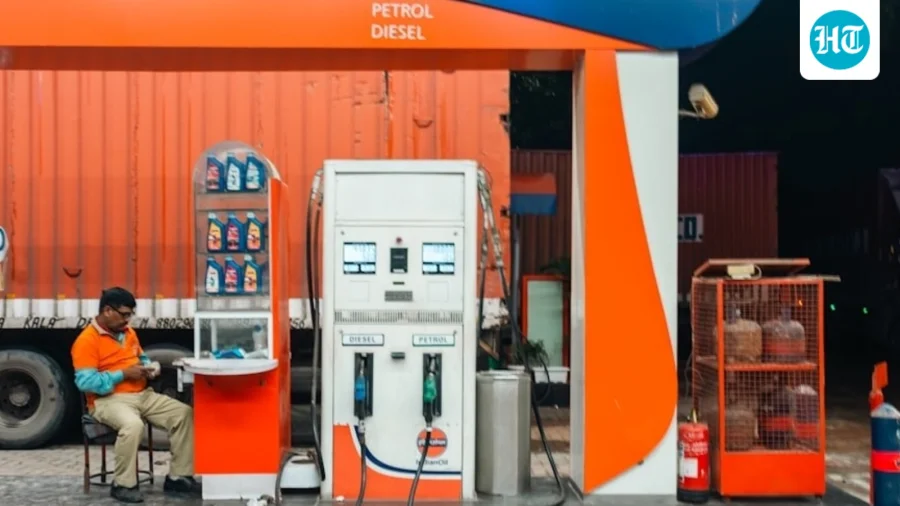
Starting July 1, India will lift the temporary restrictions on petrol and diesel sales to bulk commercial consumers at retail fuel stations, ending a 90-day war-time precautionary measure that had disrupted fuel access for businesses and transporters across the country.
What the fuel restrictions meant for commercial buyers
The curbs, imposed in June 2026, barred commercial consumers — including fleet operators, logistics companies, and industrial users — from purchasing petrol and diesel at state-run retail outlets. The government capped diesel sales at 200 litres per vehicle per day, forcing bulk buyers to seek alternative, often costlier, supply channels.
Why India imposed the war-time curb on fuel sales
The restrictions were introduced as a precaution against potential supply shortages triggered by the escalating Middle East conflict. State-owned fuel retailers, which sell fuel at subsidised rates, faced a surge in demand as commercial users rushed to stock up, raising fears of hoarding and black marketing. The government aimed to ensure adequate supply for essential consumers, including agriculture and public transport.
How the 90-day restriction unfolded
On June 11, 2026, the government announced a 90-day cap on diesel sales at retail outlets, limiting purchases to 200 litres per vehicle per day. The move followed reports that state-run retailers were struggling to cope with increased demand as they sold fuel more cheaply than private competitors. The restrictions were extended to petrol shortly after, barring bulk commercial purchases entirely.
Who was affected by the fuel sale curbs
Commercial consumers — from small transport operators to large logistics firms — bore the brunt of the restrictions. Many were forced to buy fuel from private retailers at higher prices or reduce operations. Truckers and fleet owners reported delays and increased costs, impacting supply chains across sectors. The restrictions also raised concerns about inflationary pressure on goods transport.
Government response and rationale for ending curbs
Officials have not issued a formal statement on the lifting, but the expiry of the 90-day period on July 1 signals that the government considers the supply situation stabilised. The decision reflects improved fuel availability and reduced risk of hoarding, allowing a return to normal commercial fuel distribution.
What the end of restrictions means for fuel supply and prices
With bulk buyers returning to retail outlets, demand at state-run stations is expected to rise. However, analysts believe the supply chain has adjusted over the past three months, and the risk of immediate shortages is low. Fuel prices at retail pumps are unlikely to see an immediate spike, though commercial users may benefit from lower prices compared to private retailers.
Confirmed facts vs what remains unclear
Confirmed: The 90-day restriction period ends on July 1. Commercial consumers will again be allowed to purchase petrol and diesel at retail stations. The curbs were imposed as a war-time precaution against supply shortages. Unclear: Whether the government will reintroduce restrictions if geopolitical tensions escalate again. The exact impact on fuel prices post-lifting is not yet known. No official statement has been released confirming the end date — the information is based on the expiry of the 90-day period announced in June.
Risks and balanced view on lifting fuel curbs
While the lifting of restrictions is a relief for commercial users, some experts caution that the underlying supply risks from the Middle East conflict have not fully dissipated. If geopolitical tensions worsen, the government may need to reimpose curbs. Critics also argue that the restrictions were poorly communicated and caused unnecessary disruption for small businesses. The move benefits state-run retailers by restoring normal demand, but private fuel retailers may lose bulk customers who return to cheaper state-run outlets.
Wider trend: India's fuel supply management amid global volatility
The episode highlights India's vulnerability to global energy shocks, particularly from the Middle East, which supplies a significant portion of the country's crude oil. The government's use of temporary restrictions reflects a balancing act between ensuring affordable fuel for essential users and preventing market distortions. Similar measures have been used in other countries during supply crises, but India's reliance on state-run retailers for price control makes it particularly sensitive to demand spikes.
Practical guidance for commercial fuel buyers
From July 1, commercial consumers should resume purchasing fuel from state-run retail outlets to benefit from lower prices. Businesses should monitor fuel availability and consider maintaining diversified supply sources in case of future restrictions. Transport operators should plan refuelling schedules to avoid potential queues at stations as demand normalises.
Future outlook: What could happen next
If the Middle East situation remains stable, the government is unlikely to reimpose restrictions. However, any escalation could prompt a new round of curbs, possibly with better communication and clearer guidelines. The experience may also push India to accelerate strategic petroleum reserves and diversify crude import sources to reduce future vulnerability.
Our Take
The lifting of fuel sale restrictions is a welcome sign that India's supply situation has stabilised after three months of precautionary measures. While the curbs were necessary to prevent hoarding, they also exposed the fragility of relying on state-run retailers as the primary channel for affordable fuel. The government must now focus on long-term energy security, including boosting domestic production and diversifying import sources, to avoid similar disruptions in the future. For now, commercial users can breathe easier — but the underlying risks remain.
Frequently Asked Questions
When will the petrol and diesel sale restrictions end in India?
The 90-day restrictions on bulk fuel sales at retail outlets will end on July 1, 2026, allowing commercial consumers to purchase petrol and diesel without per-vehicle caps.
Why did India impose restrictions on petrol and diesel sales?
The curbs were imposed as a war-time precaution against potential supply shortages caused by the Middle East conflict, aimed at preventing hoarding and black marketing by bulk commercial buyers.
Who was affected by the fuel sale restrictions?
Commercial consumers, including fleet operators, logistics companies, transporters, and industrial users, were barred from purchasing petrol and diesel at state-run retail outlets, forcing them to buy from private retailers at higher prices.
Will fuel prices change after the restrictions end?
Fuel prices at retail pumps are unlikely to see an immediate spike, but commercial users may benefit from lower prices at state-run stations compared to private retailers. The overall impact on prices will depend on demand and global crude oil trends.