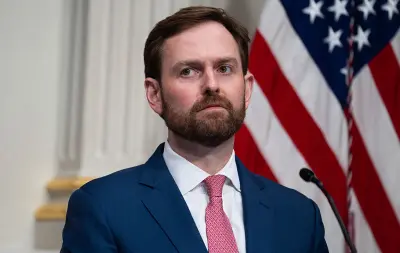
The intersection of artificial intelligence and life sciences is drawing some of the brightest minds from the AI world. Miles Wang, a researcher at OpenAI, is reportedly in early-stage talks to launch an AI drug discovery startup — and investors are already valuing the venture at a staggering $2 billion.
What the Talks Signal for AI in Drug Discovery
The discussions, first reported by sources familiar with the matter, point to a growing conviction among investors that AI can fundamentally reshape how new drugs are discovered and developed. Traditional drug discovery is notoriously slow and expensive, often taking over a decade and costing billions. AI models can analyze vast datasets, predict molecular interactions, and identify promising drug candidates far faster than conventional methods.
Why a $2 Billion Valuation Matters
A $2 billion valuation at the earliest stage — before a product, team, or even a formal company name — reflects the immense hype and hope surrounding AI in biotech. It also signals that top-tier talent from leading AI labs like OpenAI is seen as a major asset. Investors are betting that Wang’s expertise in AI models can translate into breakthroughs in understanding diseases and designing therapies.
Who Is Miles Wang?
Miles Wang is a researcher at OpenAI, one of the world’s most prominent artificial intelligence companies. While specific details of his work at OpenAI are not publicly detailed, his involvement in such a high-profile venture underscores the migration of AI talent toward life sciences — a trend that has accelerated in recent years.
How AI Is Already Changing Drug Discovery
AI-driven drug discovery is not new. Companies like Insilico Medicine, Recursion Pharmaceuticals, and BenevolentAI have already used machine learning to identify drug candidates and repurpose existing drugs. However, the involvement of an OpenAI researcher brings a new level of credibility and potential access to cutting-edge AI architectures. The startup could leverage large language models or generative AI to design novel molecules or predict clinical trial outcomes.
Investor Interest and the Broader Funding Landscape
The talks come at a time when venture capital funding for AI biotech has been robust. In 2024, AI-driven drug discovery startups raised billions globally. A $2 billion valuation for a pre-launch startup would be among the highest in the space, rivaling established players. It suggests that investors are willing to pay a premium for talent and vision, even without a proven track record in the pharmaceutical industry.
Confirmed Facts vs What Remains Unclear
What is confirmed: Miles Wang, an OpenAI researcher, is in early talks to launch an AI drug discovery startup, and the venture is being discussed at a $2 billion valuation. What remains unclear: whether Wang has secured any formal commitments, who the investors are, what specific AI approach the startup will take, and when — or if — the company will officially launch. All details are based on unnamed sources and have not been independently verified.
Risks and Balanced View
AI drug discovery is promising but unproven at scale. Many AI-driven biotech startups have faced challenges in translating computational predictions into real-world clinical success. Regulatory hurdles, data quality issues, and the complexity of biology remain significant barriers. A $2 billion valuation at the earliest stage also carries risk — if the startup fails to deliver, investors could face substantial losses. Critics argue that the hype around AI in drug discovery sometimes outpaces the science.
Wider Trend: AI Talent Moving Into Life Sciences
Wang’s potential move is part of a broader pattern. Top AI researchers from Google DeepMind, Meta, and other labs have increasingly turned their attention to biology and healthcare. DeepMind’s AlphaFold, which predicted protein structures, was a landmark achievement. The trend suggests that the next wave of AI breakthroughs may come not from better chatbots, but from applications that directly impact human health.
What This Means for Patients and the Pharmaceutical Industry
If successful, Wang’s startup could accelerate the timeline for developing new treatments for diseases like cancer, Alzheimer’s, and rare genetic disorders. For the pharmaceutical industry, it represents both a competitive threat and a potential partnership opportunity. Big pharma companies have already begun collaborating with AI startups to enhance their R&D pipelines.
Future Outlook
The coming months will be critical. If Wang secures funding and assembles a team, the startup could become one of the most closely watched AI biotech companies. However, the path from valuation to actual drug discovery is long and uncertain. The industry will be watching whether this venture can move beyond the hype and deliver real therapeutic breakthroughs.
Our Take
The $2 billion valuation for a pre-launch startup is eye-catching, but it reflects a genuine shift in how investors view AI’s potential in life sciences. Miles Wang’s background at OpenAI adds credibility, but the real test will be execution. AI can accelerate discovery, but it cannot replace the rigorous clinical testing and regulatory approval processes that define drug development. This story is a reminder that the AI revolution is moving beyond software and into the physical world — where the stakes are measured in human lives.
Frequently Asked Questions
Who is Miles Wang?
Miles Wang is a researcher at OpenAI, the company behind ChatGPT. He is reportedly in talks to launch an AI drug discovery startup valued at $2 billion.
What is AI drug discovery?
AI drug discovery uses machine learning and artificial intelligence to analyze biological data, predict how molecules interact with targets, and identify potential new drugs faster and more cheaply than traditional methods.
Why is the startup valued at $2 billion before launching?
The valuation reflects investor confidence in Wang’s expertise and the potential of AI to transform drug development. It is based on early-stage talks and is not yet finalized.
Is this startup confirmed?
No. The talks are described as early-stage, and no official announcement has been made. The details are based on unnamed sources and have not been independently verified.