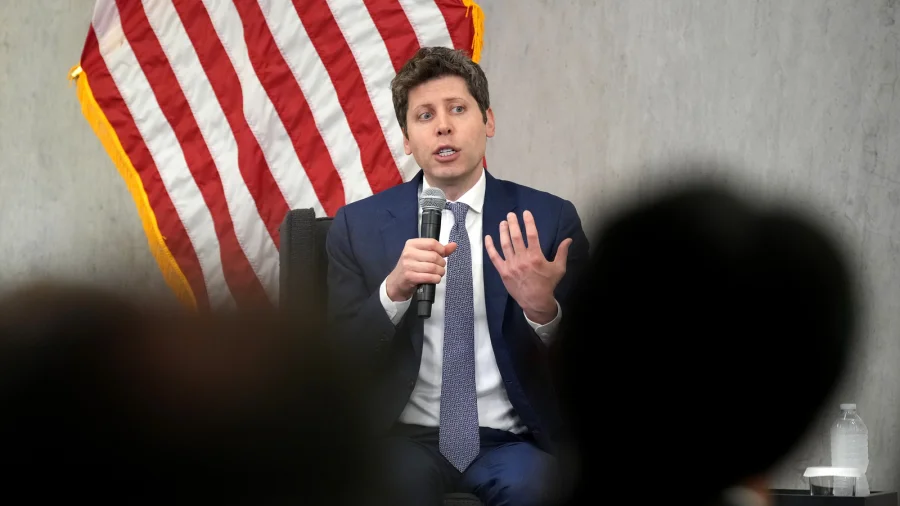
OpenAI, the company behind ChatGPT, has told California lawmakers that the state's proposed AI safety framework doesn't go far enough. In a notable reversal of the usual tech-versus-regulator dynamic, the AI leader said SB 53 should "be amended to expand safeguards."
Why OpenAI is backing stricter AI rules in California
The statement places OpenAI on the same side as consumer advocates who have pushed for tighter oversight of artificial intelligence. It also distances the company from other tech players who have resisted broad regulation, arguing it could slow innovation.
For OpenAI, supporting stronger safeguards may be a strategic move. The company has repeatedly called for government involvement in AI safety, even as it races to deploy increasingly capable models.
What SB 53 actually proposes
SB 53 is California's attempt to create a legal framework for AI development and deployment. While the full text of the bill covers multiple areas — including transparency, risk assessment, and accountability — OpenAI believes the current version leaves gaps that need closing.
The company has not publicly listed every amendment it wants. But its core message is clear: the baseline protections in SB 53 should be strengthened, not weakened.
How we got here: California's push to regulate AI
California has emerged as the most active state in the U.S. when it comes to AI legislation. Lawmakers have introduced multiple bills targeting everything from deepfakes to algorithmic discrimination.
SB 53 is part of that broader effort. The bill has gone through revisions, with input from industry, academics, and civil rights groups shaping its current form.
What this means for AI companies and users
If SB 53 passes with expanded safeguards, AI companies operating in California would face stricter compliance requirements. That could mean more rigorous testing before models are released, clearer disclosure when AI is used, and stronger penalties for harm caused by AI systems.
For everyday users, stronger safeguards could translate into more transparency about how AI tools work and greater recourse if something goes wrong.
What OpenAI's statement signals to lawmakers
When a leading AI developer asks for more regulation, it changes the political calculus. Lawmakers can point to OpenAI's stance as evidence that the industry itself recognizes the need for guardrails.
It also puts pressure on other companies. If OpenAI supports stricter rules, opponents of the bill may find it harder to argue that regulation will destroy innovation.
Why this moment matters for AI policy
OpenAI's position reflects a broader shift in how the AI industry views regulation. Early resistance has given way to a more nuanced approach — one that acknowledges risks while still protecting commercial interests.
The company's willingness to engage with California's legislative process suggests it sees regulation as inevitable. The question is no longer whether AI will be regulated, but how.
What's confirmed and what's still unclear
What is confirmed: OpenAI has publicly stated that SB 53 should be amended to expand safeguards. The company has expressed support for the framework while calling for stronger protections.
What remains unclear: The specific amendments OpenAI is proposing, the timeline for legislative action, and whether other major AI companies will follow suit with similar statements.
OpenAI's position in the AI landscape
OpenAI's influence extends beyond its products. As the creator of ChatGPT, the company has become the public face of generative AI — and its policy positions carry weight in Washington and Sacramento alike.
Its call for stronger safeguards could be read as an attempt to shape regulation in a way that benefits established players, who already have the resources to comply with stricter rules.
Balancing safety and innovation: the debate ahead
Not everyone agrees that more regulation is the right path. Some startups worry that stringent requirements will create barriers to entry, favoring large incumbents like OpenAI.
Others argue that the current bill doesn't go far enough and that California should adopt even more aggressive measures to protect the public from AI-related harms.
A pattern of tech companies embracing regulation
OpenAI's stance fits a wider trend. In recent years, major tech firms have increasingly called for federal privacy laws, content moderation rules, and AI safety standards — often after facing public criticism or regulatory pressure.
This pattern suggests that companies see regulation not just as a threat, but as a way to create predictable rules for a fast-moving industry.
What should businesses and developers do now
Companies building AI products in California should monitor SB 53 closely. If the bill passes with expanded safeguards, compliance requirements could change significantly.
Developers and startups should also consider engaging with the legislative process. Public comments and stakeholder input can shape the final version of the bill.
What happens next in California's AI legislative session
SB 53 will continue through California's legislative process, with further hearings and potential amendments. OpenAI's statement adds a significant voice to the debate, but the final outcome depends on lawmakers.
Observers expect the bill to face continued scrutiny from both industry and advocacy groups before any final vote.
Our Take
OpenAI's call for stronger AI safeguards in California is significant — not because it guarantees the bill will pass, but because it signals how the industry's relationship with regulation is evolving. When the most prominent AI company in the world asks for stricter rules, it reshapes the entire conversation.
The real test will be in the details. Expanded safeguards could mean many things: more rigorous testing, clearer liability rules, or stronger transparency requirements. Until OpenAI specifies what it wants, its statement remains a broad endorsement of the principle — not a concrete policy proposal.
For California, the challenge is balancing innovation with protection. For the rest of the country, this bill could become a template for state-level AI regulation. What happens in Sacramento may well shape how AI is governed nationwide.
Frequently Asked Questions
Why is OpenAI supporting California's SB 53 AI safety bill?
OpenAI has stated that California's SB 53 framework should be amended to expand safeguards. The company supports the bill's direction but believes stronger protections are needed to address AI risks effectively.
What is California SB 53?
SB 53 is a California bill that proposes a legal framework for AI development and deployment, covering areas like transparency, risk assessment, and accountability. OpenAI has called for the bill to be strengthened with additional safeguards.
How could stronger AI safeguards affect businesses?
Stronger safeguards could mean stricter compliance requirements for AI companies, including more rigorous testing, clearer disclosure obligations, and potentially higher penalties for violations. Smaller startups may face greater challenges meeting these requirements.
What happens next with SB 53?
SB 53 will continue through California's legislative process, with further hearings and potential amendments. OpenAI's statement adds industry support for stronger safeguards, but the final version depends on lawmakers' decisions.