For Diu resident Rafik Arab, the tragedy lives on in a final text message from his son, Faizan. "Papa, I have boarded the flight and I am going," the 25-year-old wrote before boarding the London-bound aircraft on 12 June 2025. "Who could have imagined it would be his last text?" Rafik said, his voice still heavy with grief. Faizan, who was pursuing Islamic studies in the UK, had returned home to spend time with his family before flying back. Since the crash, Rafik and his family have no...
The Final Messages That Haunt Families
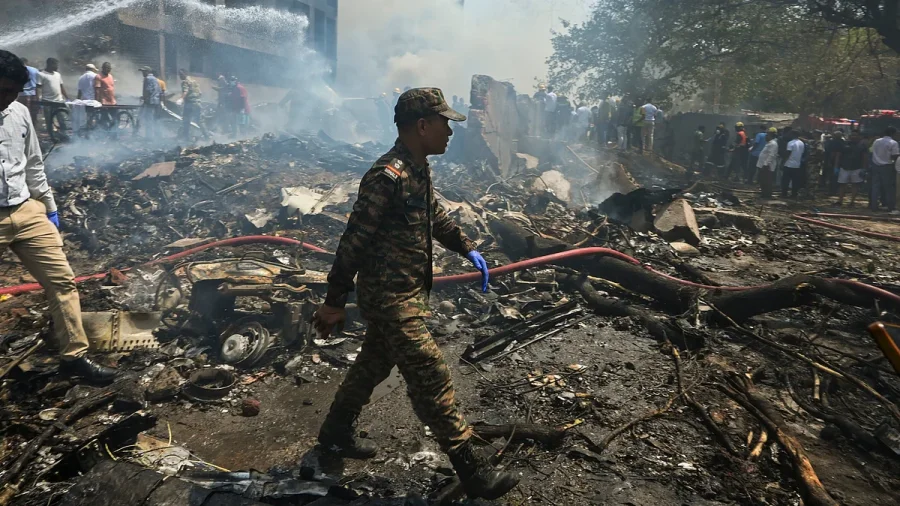
Rafik's story is not unique. Across India, families of the 260 victims of the AI 171 crash are still grappling with the sudden, violent loss of loved ones. Many hold onto last phone calls, texts, or video chats — ordinary moments that became final farewells. The crash of the Boeing 787-8 Dreamliner, which slammed into a building in Ahmedabad shortly after takeoff, killed 19 people on the ground and everyone on board except one passenger. For families, these final messages are both a comfort and a source of recurring pain.
Why the Emotional Toll Remains Unaddressed
While official investigations have moved forward, the emotional aftermath has been largely neglected. Families report that the initial compensation of $28,000 from Air India, while helpful, did little to address the psychological trauma. Many describe bureaucratic hurdles in accessing further support, and a lack of structured mental health counselling. "The money doesn't bring back my son," Rafik said. "What we need is someone to understand our pain, not just process paperwork." The anniversary has amplified these feelings, with families feeling that the world has moved on while they remain stuck in grief.
How the Tragedy Unfolded — A Timeline of Loss
The AI 171 crash occurred on 12 June 2025, when the Dreamliner crashed shortly after takeoff from Ahmedabad. The aircraft was bound for London. The sole survivor, Viswash Kumar Ramesh, who was seated in 11A, emerged from the wreckage with bloodstains on his t-shirt, clutching his phone. He later described himself as the "luckiest man, but also, I lost everything." The crash killed 260 people, including passengers, crew, and 19 people on the ground. The investigation has since focused on potential technical failures and human error, but no final report has been publicly released.
The Survivor's Burden — PTSD and a Changed Life
Viswash Kumar Ramesh, now back in England, has spoken about his struggle with PTSD. He says his life has been "upended by the trauma," leaving him unable to even speak with his family. "I lost everything," he said in an interview. His story highlights a lesser-known aspect of air disasters: the long-term psychological impact on survivors, who often face guilt, anxiety, and a shattered sense of normalcy. For Ramesh, the crash has meant a permanent alteration of his identity and daily life.
Official Response and What Families Say Is Missing
Air India's initial compensation of $28,000 per family was a standard first step, but families argue it was insufficient for the scale of loss. They also point to a lack of ongoing emotional support, counselling services, or transparent communication about the investigation. "We are left in the dark," one family member told reporters. "We don't know what happened, why it happened, or if anyone is being held accountable." The anniversary has renewed calls for a more compassionate, victim-centred approach to disaster aftermath.
Why This Crash Hit India So Hard
The AI 171 crash was one of the deadliest aviation disasters in India's history. It struck at a time when air travel was recovering post-pandemic, and it shattered the sense of safety many Indians had in flying. The crash also highlighted systemic issues in aviation safety and emergency response. For families, the tragedy is not just personal — it is a national wound that has not healed. The anniversary serves as a reminder of the fragility of life and the need for better support systems for victims of mass trauma.
Confirmed Facts vs What Remains Unclear
Confirmed: The crash killed 260 people, including 19 on the ground. Sole survivor Viswash Kumar Ramesh suffered severe PTSD. Air India paid $28,000 initial compensation. Families report ongoing trauma and lack of support. Unclear: The exact cause of the crash (investigation ongoing). Whether any individuals or entities will face legal consequences. The full extent of psychological impact on all families and survivors. Speculation about technical failure or human error remains unconfirmed.
Risks and Balanced View — The Unseen Wounds
While compensation and official processes are necessary, they cannot replace emotional healing. Critics argue that airlines and governments often focus on legal and financial closure rather than psychological recovery. The risk is that families and survivors are left to cope alone, leading to long-term mental health crises. On the other hand, some experts note that grief is deeply personal and that no amount of support can fully erase the pain. The challenge is to create systems that at least acknowledge and accompany the grieving process.
Wider Pattern — How Air Disasters Affect Families Globally
The AI 171 case is part of a broader pattern seen in air disasters worldwide. From the MH370 disappearance to the Ethiopian Airlines crash, families often report feeling abandoned after the initial media attention fades. The psychological impact can last for years, with many developing chronic anxiety, depression, or PTSD. The aviation industry has been slow to adopt comprehensive mental health support for victims' families, despite repeated calls from advocacy groups. The AI 171 anniversary is a reminder that the human cost of a crash extends far beyond the immediate loss.
Practical Guidance for Families and Readers
For families still struggling, mental health professionals recommend seeking counselling, joining support groups, and allowing themselves to grieve without timeline pressure. For readers, the key takeaway is to be sensitive to those affected — avoid asking intrusive questions, and offer practical help rather than platitudes. For policymakers, the anniversary is a call to mandate psychological support as part of disaster response protocols. For the aviation industry, it is a reminder that transparency and compassion are as important as safety measures.
Future Outlook — What Could Change
As the investigation continues, families hope for a clear explanation and accountability. There is growing advocacy for a national policy on air disaster victim support, including mandatory counselling, transparent communication, and long-term follow-up. The anniversary may also push Air India and regulators to review their crisis management protocols. However, without sustained public pressure, the risk is that the emotional needs of families will remain secondary to legal and financial processes.
Our Take
The AI 171 crash is not just a statistic — it is a human tragedy that continues to unfold in the lives of families and survivors. While the world has moved on, their grief remains raw and unaddressed. The anniversary is a moment to reflect not just on what was lost, but on what we owe to those left behind: compassion, transparency, and genuine support. The true measure of a society's response to disaster is not in the speed of compensation, but in the depth of care it offers to the grieving.
Frequently Asked Questions
What happened in the AI 171 crash?
On 12 June 2025, Air India Flight 171, a Boeing 787-8 Dreamliner, crashed shortly after takeoff from Ahmedabad, killing 260 people including 19 on the ground. Only one passenger survived.
How are families of AI 171 victims coping one year later?
Many families report ongoing grief, trauma, anxiety, and a fear of flying. They feel official processes have moved on without addressing their emotional needs, and many are still seeking answers and closure.
What support did Air India provide to victims' families?
Air India paid an initial $28,000 to each family. However, families say this was insufficient and that there has been a lack of ongoing emotional support, counselling, or transparent communication about the investigation.
What is the status of the AI 171 crash investigation?
The investigation is ongoing, focusing on potential technical failures and human error. No final report has been publicly released, leaving families without clear answers about the cause of the crash.