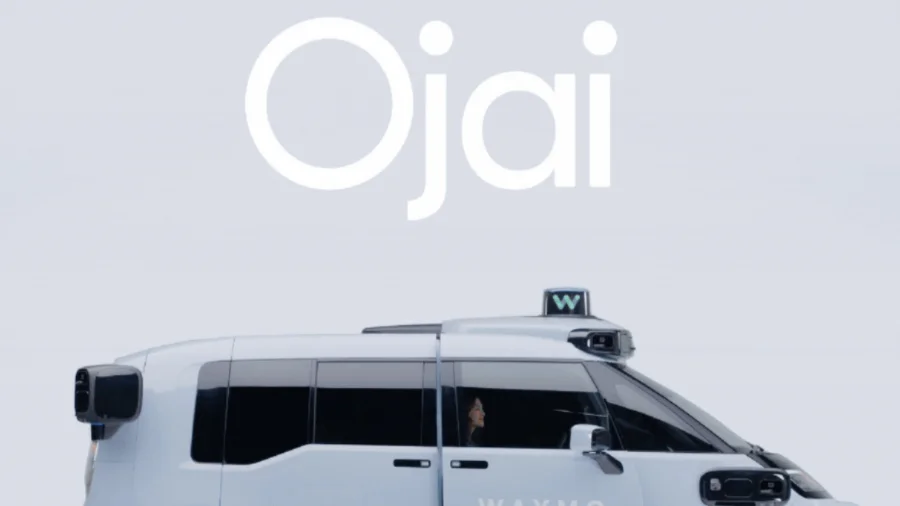
Waymo has taken a significant step forward in autonomous transportation. The company has officially debuted the Ojai, its first purpose-built driverless vehicle. This isn't just another retrofitted car — it's a robotaxi designed from the ground up for autonomous operation.
The Ojai represents a shift in how Waymo approaches vehicle design. Instead of adapting existing consumer cars, the company has created something entirely its own. And the implications could reshape what riders expect from driverless services.
What Is the Waymo Ojai Driverless Vehicle?
The Ojai is Waymo's sixth-generation robotaxi. It's a blue electric, four-seat vehicle developed in partnership with Chinese automaker Geely. Initially known as the Zeekr RT, the Ojai is the first Waymo vehicle to use the company's sixth-generation Waymo Driver system.
This new system includes updated sensors and a high-resolution 17-megapixel imager capable of capturing millions of data points. That level of detail allows the vehicle to understand its environment with far greater precision than previous generations.
Why This Matters Right Now
This launch matters because it signals Waymo's move toward purpose-built hardware. Previous Waymo vehicles were modified versions of existing models — the Jaguar I-PACE and the Chrysler Pacifica. The Ojai changes that approach entirely.
By designing a vehicle specifically for autonomous driving, Waymo can optimize every component for safety, efficiency, and rider experience. The result is a robotaxi that isn't just smarter — it's built to be smarter from the start.
For riders, this means a more refined experience. For the industry, it sets a new benchmark for what a purpose-built autonomous vehicle can look like.
How the Ojai Driverless Vehicle Developed
The Ojai didn't appear overnight. Waymo and Geely have been working on this platform for some time. The vehicle was initially developed under the name Zeekr RT, referencing Geely's electric vehicle brand.
Waymo's sixth-generation technology represents years of real-world testing and data collection. The company has been operating autonomous vehicles on public roads for years, and the Ojai is the culmination of that experience.
The 17-megapixel imager is a key upgrade. It captures significantly more visual data than previous cameras, allowing the Waymo Driver system to detect objects, pedestrians, and road conditions with greater accuracy.
Who Is Affected and What Officials Are Saying
Riders in Waymo's service areas will be the first to experience the Ojai. The vehicle is expected to begin fully autonomous operations in select cities, including San Francisco and Phoenix.
Waymo has confirmed that the Ojai is designed for commercial deployment. That means riders hailing a Waymo in the near future could find themselves in a blue electric robotaxi purpose-built for the job.
Reports from the San Francisco Examiner and other local outlets have noted the Ojai's arrival in the city, with residents and tech observers taking notice of the new vehicle design.
What We Know So Far — and What Remains Unclear
What's confirmed: The Ojai is a four-seat, blue electric robotaxi. It uses Waymo's sixth-generation Driver system. It was developed with Geely. It features a 17-megapixel imager. And it is Waymo's first purpose-built autonomous vehicle.
What remains unclear: The exact rollout timeline for different cities. Pricing details for rides. And how the Ojai compares in cost to Waymo's previous vehicles. Waymo has not yet disclosed production volumes or expansion plans beyond initial deployments.
Risks, Concerns, and the Balanced View
Purpose-built autonomous vehicles bring advantages, but they also raise questions. The Ojai's reliance on Geely, a Chinese automaker, may draw regulatory scrutiny, particularly around data security and supply chain dependencies.
There's also the question of public acceptance. While Waymo has built trust in cities like San Francisco and Phoenix, any autonomous vehicle incident involving the Ojai could slow adoption.
On the positive side, purpose-built design allows for better safety integration. The sixth-generation sensors and imager represent a meaningful upgrade over previous systems. Waymo's extensive testing history also provides a strong foundation for the Ojai's deployment.
Why Purpose-Built Robotaxis Are Increasing
Waymo isn't alone in moving toward purpose-built autonomous vehicles. The industry is recognizing that retrofitting consumer cars has limitations. Purpose-built designs allow for:
- Optimized sensor placement
- Better passenger ergonomics
- Improved battery and thermal management
- Lower long-term production costs
The Ojai represents a broader trend: autonomous vehicle companies are moving from experiments to production-ready platforms.
"The Ojai serves as Waymo's sixth-generation robotaxi and is the first Waymo vehicle to use its sixth generation Waymo Driver system." — Wikipedia
What Riders and Investors Should Know Now
For riders: The Ojai will likely feel different from previous Waymo vehicles. The purpose-built design means a more integrated experience. If you see a blue electric robotaxi in your city, that's the Ojai.
For investors: The Ojai signals Waymo's commitment to scaling its autonomous fleet. Purpose-built vehicles could reduce costs over time and improve reliability. The Geely partnership also opens potential manufacturing advantages.
For the industry: The Ojai sets a new standard. Competitors will need to consider whether purpose-built designs are necessary to stay competitive.
What Could Happen Next
Waymo is expected to expand Ojai operations to more cities over the coming months. The company may also introduce additional vehicle variants based on the same platform.
Regulatory approvals will play a key role in how quickly the Ojai reaches new markets. Data security concerns around the Geely partnership could also influence expansion timelines.
Longer term, the Ojai could serve as the foundation for Waymo's next-generation fleet, potentially replacing older vehicles entirely.
Our Take: Why the Ojai Matters Beyond One Vehicle
The Ojai isn't just a new car. It's a signal that Waymo is moving from experimentation to production. Purpose-built autonomous vehicles represent a maturity in the industry that wasn't present even two years ago.
This vehicle also highlights the importance of partnerships. Waymo's collaboration with Geely allowed it to create something that wouldn't have been possible alone. That model could become more common as autonomous vehicle companies seek manufacturing expertise.
For the public, the Ojai is a glimpse of what transportation could look like in the near future. Purpose-built robotaxis designed for safety, efficiency, and comfort — not adapted from something else.
FAQs
What is the Waymo Ojai?
The Waymo Ojai is the company's first purpose-built driverless vehicle. It's a blue electric four-seat robotaxi developed with Geely, using Waymo's sixth-generation autonomous driving system.
How is the Ojai different from previous Waymo vehicles?
Previous Waymo vehicles were modified versions of existing cars like the Jaguar I-PACE. The Ojai is designed from the ground up for autonomous driving, with optimized sensors and a 17-megapixel imager.
Who built the Waymo Ojai?
The Ojai was developed in partnership with Chinese automaker Geely. It was initially known as the Zeekr RT before being rebranded as the Waymo Ojai.
Where can I ride in a Waymo Ojai?
The Ojai is being deployed in Waymo's existing service areas, including San Francisco and Phoenix. Expansion to additional cities is expected over time.